The sterile inflammatory response
- PMID: 20307211
- PMCID: PMC4315152
- DOI: 10.1146/annurev-immunol-030409-101311
The sterile inflammatory response
Abstract
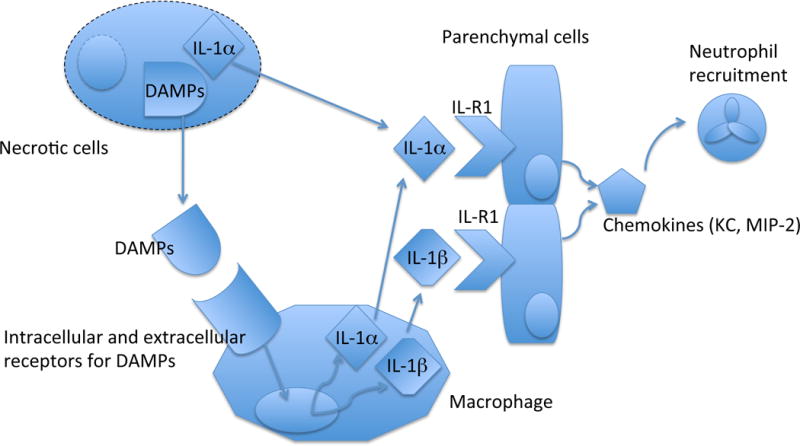
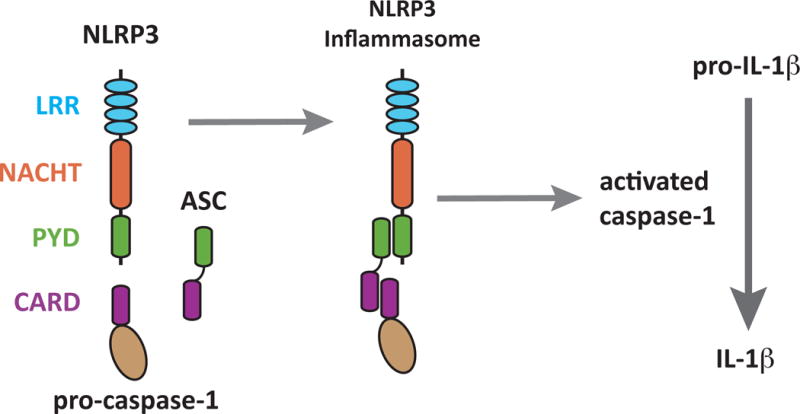
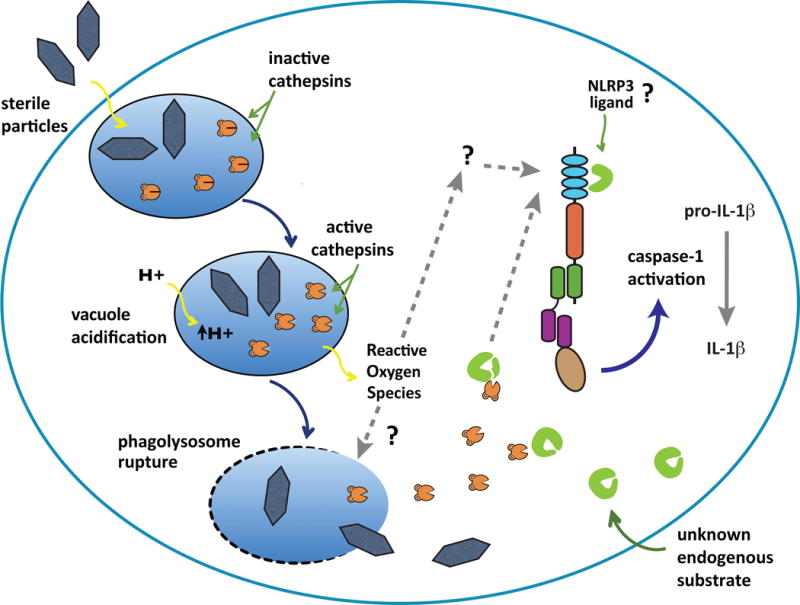
The acute inflammatory response is a double-edged sword. On the one hand, it plays a key role in initial host defense, particularly against many infections. On the other hand, its aim is imprecise, and as a consequence, when it is drawn into battle, it can cause collateral damage in tissues. In situations where the inciting stimulus is sterile, the cost-benefit ratio may be high; because of this, sterile inflammation underlies the pathogenesis of a number of diseases. Although there have been major advances in our understanding of how microbes trigger inflammation, much less has been learned about this process in sterile situations. This review focuses on a subset of the many sterile stimuli that can induce inflammation-specifically dead cells and a variety of irritant particles, including crystals, minerals, and protein aggregates. Although this subset of stimuli is structurally very diverse and might appear to be unrelated, there is accumulating evidence that the innate immune system may recognize them in similar ways and stimulate the sterile inflammatory response via common pathways. Here we review established and emerging data about these responses.
Figures
References
-
- Celsus AC. circa 30 A.D. De Medicina
-
- Rocha e Silva M. A brief survey of the history of inflammation. Agents Actions. 1978;8:45–9. - PubMed
-
- Majno G. The Healing Hand : Man and Wound in the Ancient World. Cambridge, Massachusetts: Harvard University Press; 1991.
-
- Waller A. Microscopical observation on the perforation of capillaries by the corpuscles of the blood and on the origin of mucus- and pus globules. (3rd Series).Philosophical Magazine. 1846;29:397–405.
Publication types
MeSH terms
Substances
Grants and funding
LinkOut - more resources
Full Text Sources
Other Literature Sources