


Neural imaging to track mental states while using an intelligent tutoring system
- PMID: 20335536
- PMCID: PMC2872451
- DOI: 10.1073/pnas.1000942107
Neural imaging to track mental states while using an intelligent tutoring system
Abstract
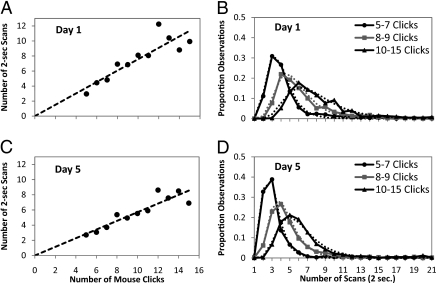
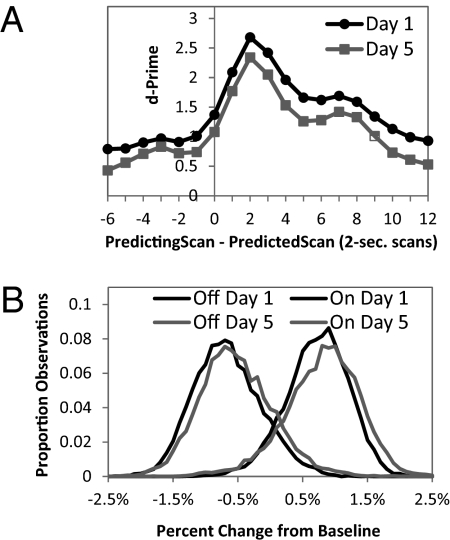
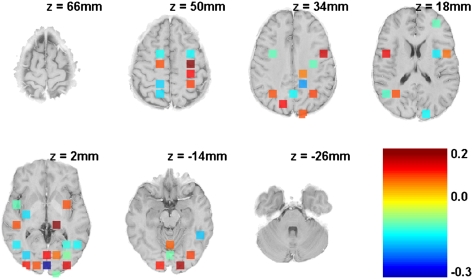
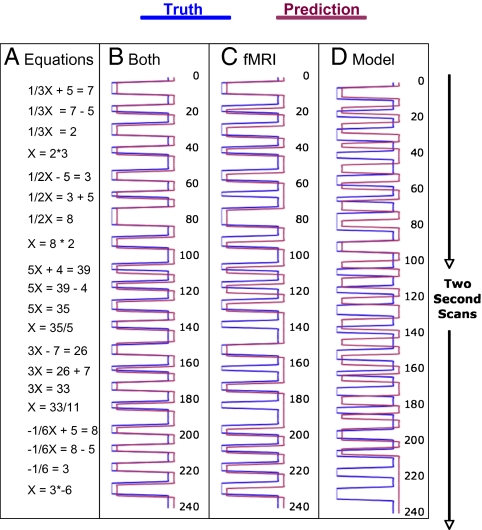
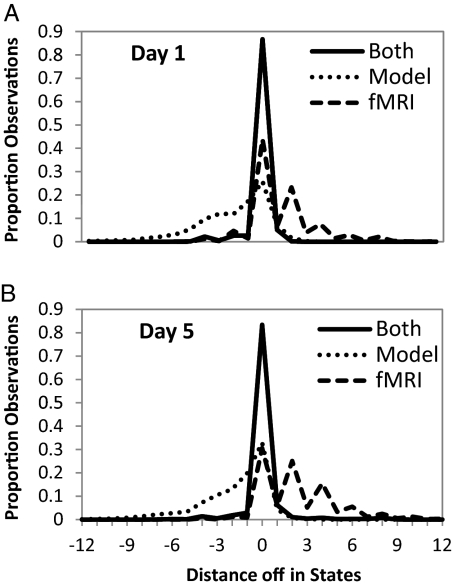
Hemodynamic measures of brain activity can be used to interpret a student's mental state when they are interacting with an intelligent tutoring system. Functional magnetic resonance imaging (fMRI) data were collected while students worked with a tutoring system that taught an algebra isomorph. A cognitive model predicted the distribution of solution times from measures of problem complexity. Separately, a linear discriminant analysis used fMRI data to predict whether or not students were engaged in problem solving. A hidden Markov algorithm merged these two sources of information to predict the mental states of students during problem-solving episodes. The algorithm was trained on data from 1 day of interaction and tested with data from a later day. In terms of predicting what state a student was in during a 2-s period, the algorithm achieved 87% accuracy on the training data and 83% accuracy on the test data. The results illustrate the importance of integrating the bottom-up information from imaging data with the top-down information from a cognitive model.
Conflict of interest statement
The authors declare no conflict of interest.
Figures

References
-
- Koedinger KR, Anderson JR, Hadley WH, Mark M. Intelligent tutoring goes to school in the big city. Int J Artif Intell Educ. 1997;8:30–43.
-
- Ritter S, Anderson JR, Koedinger KR, Corbett A. Cognitive tutor: applied research in mathematics education. Psychon Bull Rev. 2007;14:249–255. - PubMed
-
- Davatzikos C, et al. Classifying spatial patterns of brain activity with machine learning methods: application to lie detection. Neuroimage. 2005;28:663–668. - PubMed
-
- Haxby JV, et al. Distributed and overlapping representations of faces and objects in ventral temporal cortex. Science. 2001;293:2425–2430. - PubMed
-
- Haynes JD, et al. Reading hidden intentions in the human brain. Curr Biol. 2007;17:323–328. - PubMed
Publication types
MeSH terms
LinkOut - more resources
Full Text Sources
Medical
