


Evaluation of enoyl-acyl carrier protein reductase inhibitors as Pseudomonas aeruginosa quorum-quenching reagents
- PMID: 20335945
- PMCID: PMC6257111
- DOI: 10.3390/molecules15020780
Evaluation of enoyl-acyl carrier protein reductase inhibitors as Pseudomonas aeruginosa quorum-quenching reagents
Abstract
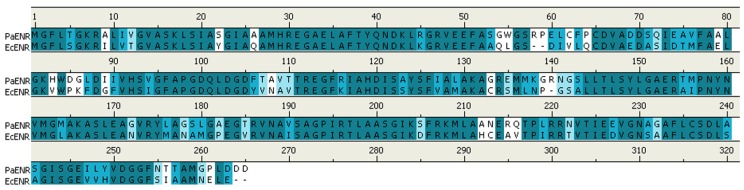
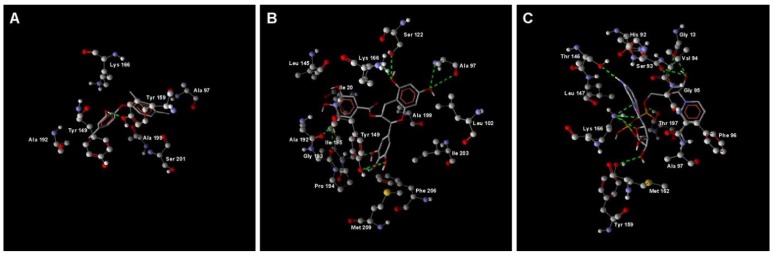
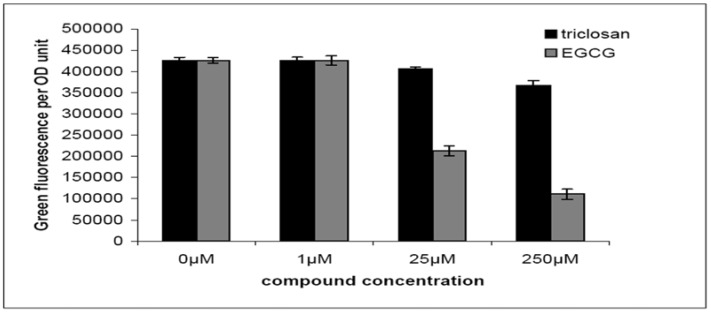
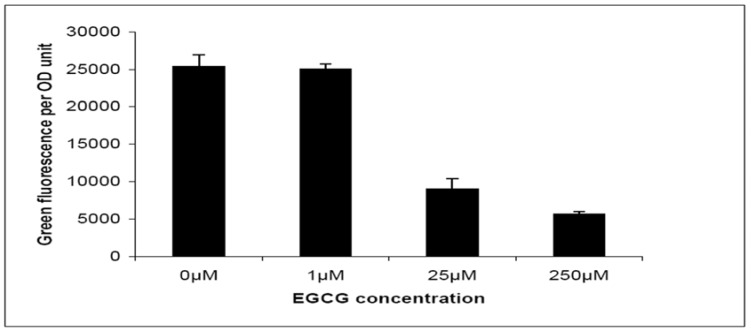
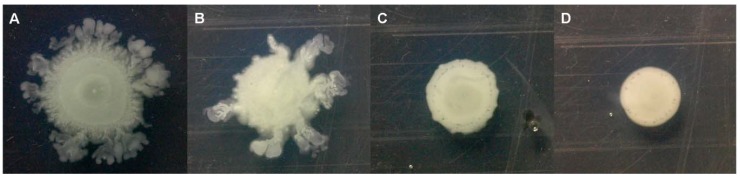
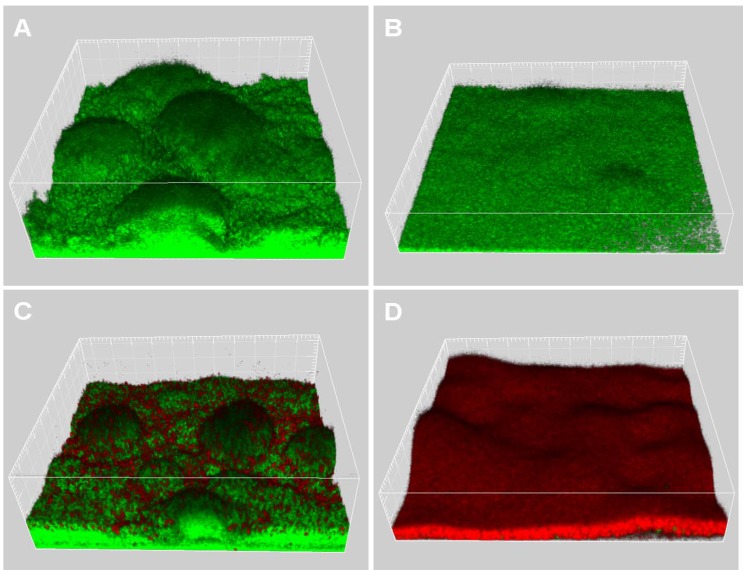
Pseudomonas aeruginosa is an opportunistic pathogen which is responsible for a wide range of infections. Production of virulence factors and biofilm formation by P. aeruginosa are partly regulated by cell-to-cell communication quorum-sensing systems. Identification of quorum-quenching reagents which block the quorum-sensing process can facilitate development of novel treatment strategies for P. aeruginosa infections. We have used molecular dynamics simulation and experimental studies to elucidate the efficiencies of two potential quorum-quenching reagents, triclosan and green tea epigallocatechin gallate (EGCG), which both function as inhibitors of the enoyl-acyl carrier protein (ACP) reductase (ENR) from the bacterial type II fatty acid synthesis pathway. Our studies suggest that EGCG has a higher binding affinity towards ENR of P. aeruginosa and is an efficient quorum-quenching reagent. EGCG treatment was further shown to be able to attenuate the production of virulence factors and biofilm formation of P. aeruginosa.
Figures
References
Publication types
MeSH terms
Substances
LinkOut - more resources
Full Text Sources
