


Cardiovascular function in the heat-stressed human
- PMID: 20345414
- PMCID: PMC3496876
- DOI: 10.1111/j.1748-1716.2010.02119.x
Cardiovascular function in the heat-stressed human
Abstract
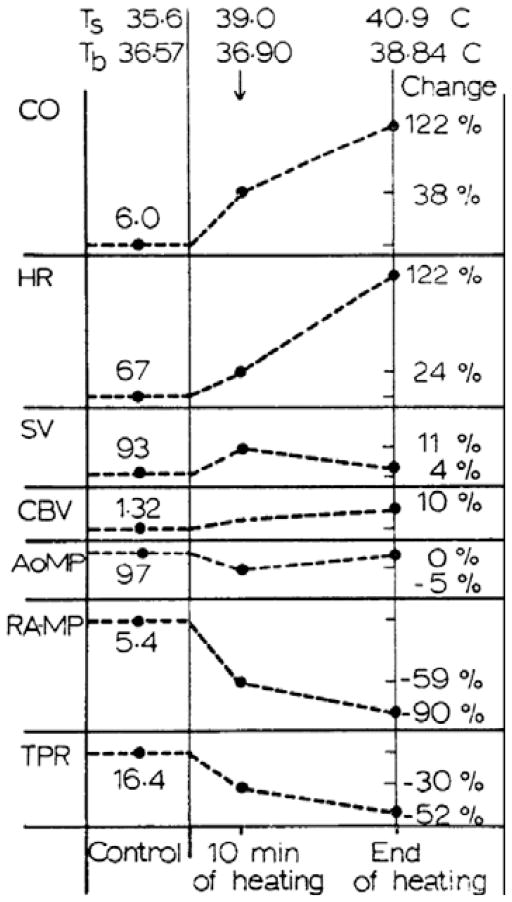
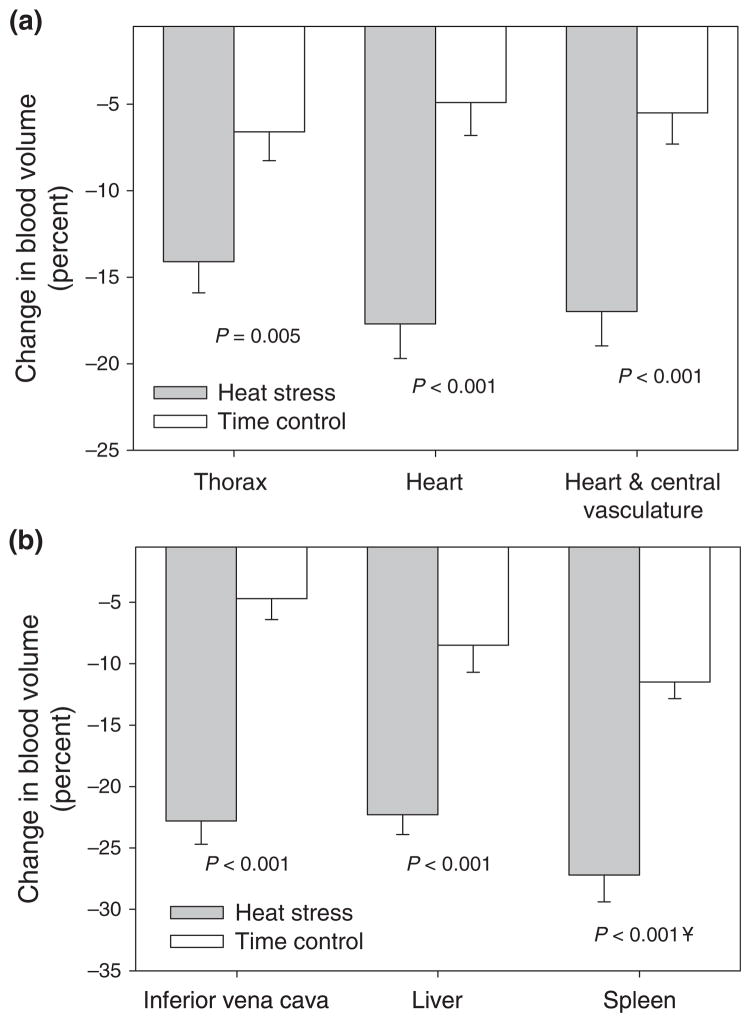
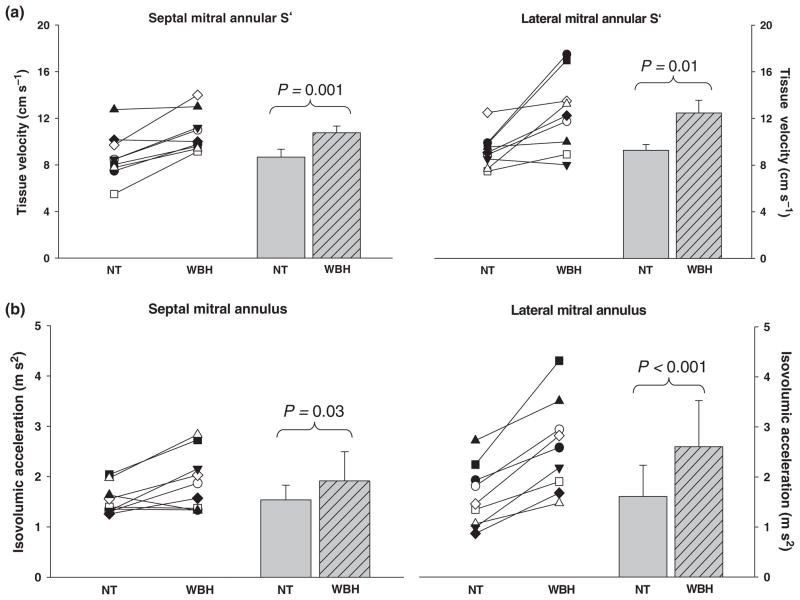
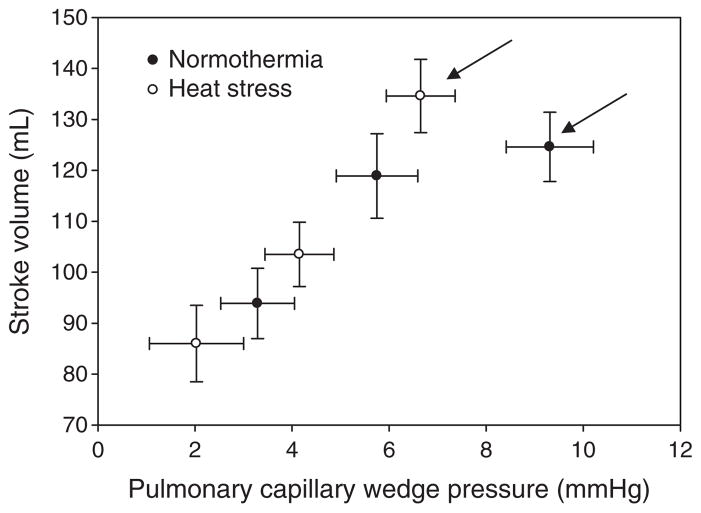
Heat stress, whether passive (i.e. exposure to elevated environmental temperatures) or via exercise, results in pronounced cardiovascular adjustments that are necessary for adequate temperature regulation as well as perfusion of the exercising muscle, heart and brain. The available data suggest that generally during passive heat stress baroreflex control of heart rate and sympathetic nerve activity are unchanged, while baroreflex control of systemic vascular resistance may be impaired perhaps due to attenuated vasoconstrictor responsiveness of the cutaneous circulation. Heat stress improves left ventricular systolic function, evidenced by increased cardiac contractility, thereby maintaining stroke volume despite large reductions in ventricular filling pressures. Heat stress-induced reductions in cerebral perfusion likely contribute to the recognized effect of this thermal condition in reducing orthostatic tolerance, although the mechanism(s) by which this occurs is not completely understood. The combination of intense whole-body exercise and environmental heat stress or dehydration-induced hyperthermia results in significant cardiovascular strain prior to exhaustion, which is characterized by reductions in cardiac output, stroke volume, arterial pressure and blood flow to the brain, skin and exercising muscle. These alterations in cardiovascular function and regulation late in heat stress/dehydration exercise might involve the interplay of both local and central reflexes, the contribution of which is presently unresolved.
Conflict of interest statement
There is no conflict of interest.
Figures
References
-
- Armstrong RB, Delp MD, Goljan EF, Laughlin MH. Progressive elevations in muscle blood flow during prolonged exercise in swine. J Appl Physiol. 1987;63:285–291. - PubMed
-
- Asmussen E, Nielsen M. The regulation of the body-temperature during work performed with the arms and with the legs. Acta Physiol Scand. 1947;14:373–382. - PubMed
-
- Brengelmann GL, Johnson JM, Hermansen L, Rowell LB. Altered control of skin blood flow during exercise at high internal temperatures. J Appl Physiol. 1977;43:790–794. - PubMed
Publication types
MeSH terms
Grants and funding
LinkOut - more resources
Full Text Sources
Medical
