The effects of a multiyear universal social-emotional learning program: The role of student and school characteristics
- PMID: 20350027
- PMCID: PMC3534742
- DOI: 10.1037/a0018607
The effects of a multiyear universal social-emotional learning program: The role of student and school characteristics
Abstract
Objective: This article examines the impact of a universal social-emotional learning program, the Fast Track PATHS (Promoting Alternative Thinking Strategies) curriculum and teacher consultation, embedded within the Fast Track selective prevention model.
Method: The longitudinal analysis involved 2,937 children of multiple ethnicities who remained in the same intervention or control schools for Grades 1, 2, and 3. The study involved a clustered randomized controlled trial involving sets of schools randomized within 3 U.S. locations. Measures assessed teacher and peer reports of aggression, hyperactive-disruptive behaviors, and social competence. Beginning in first grade and through 3 successive years, teachers received training and support and implemented the PATHS curriculum in their classrooms.
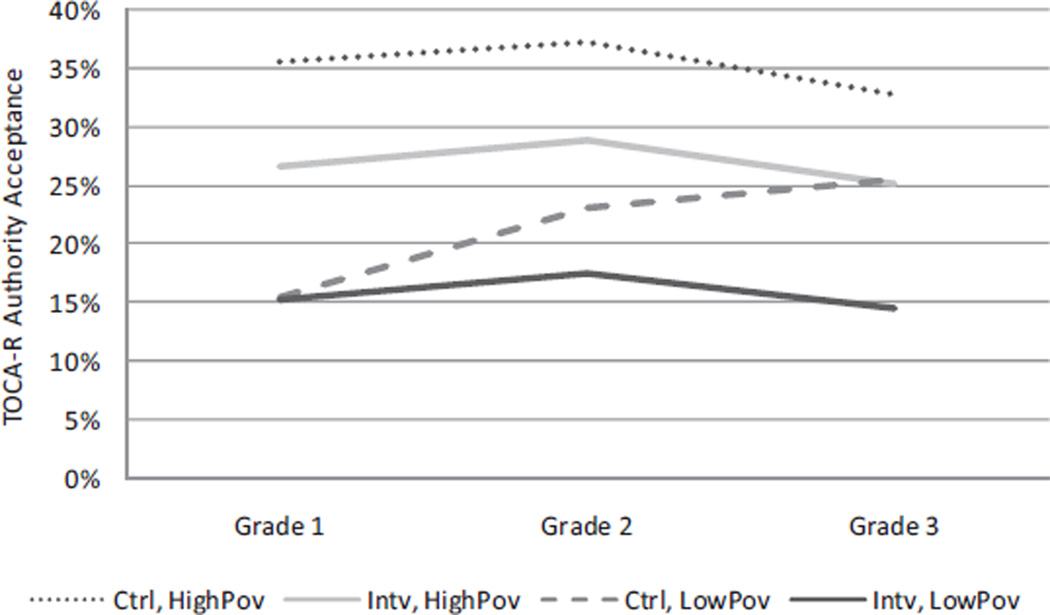
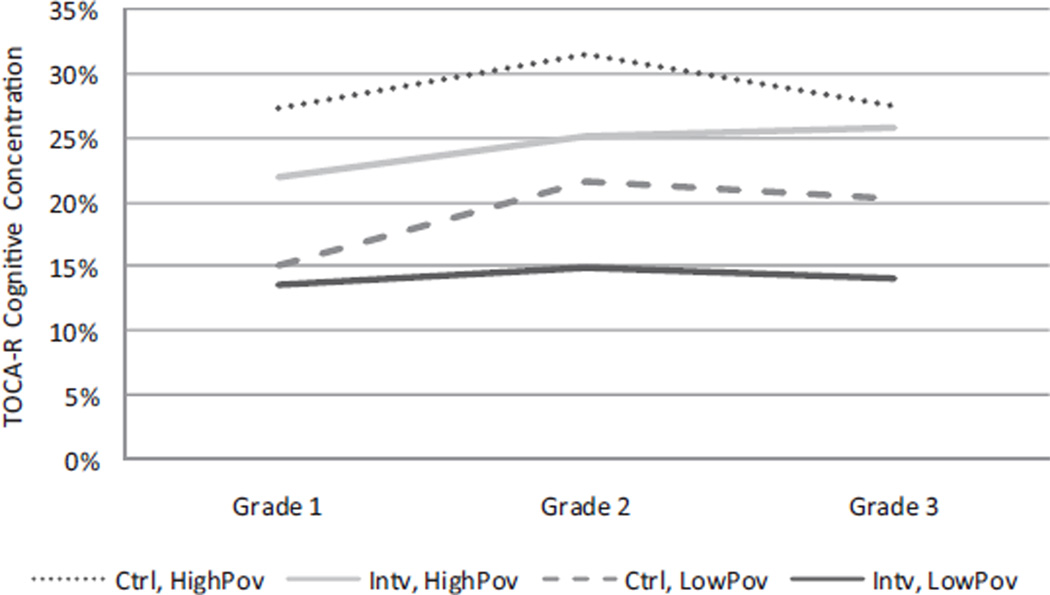
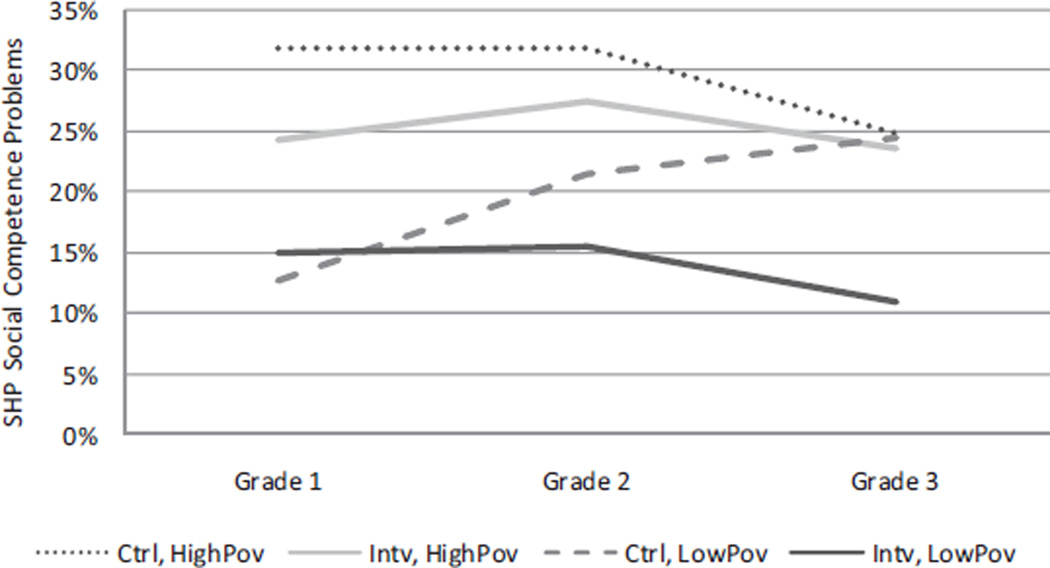
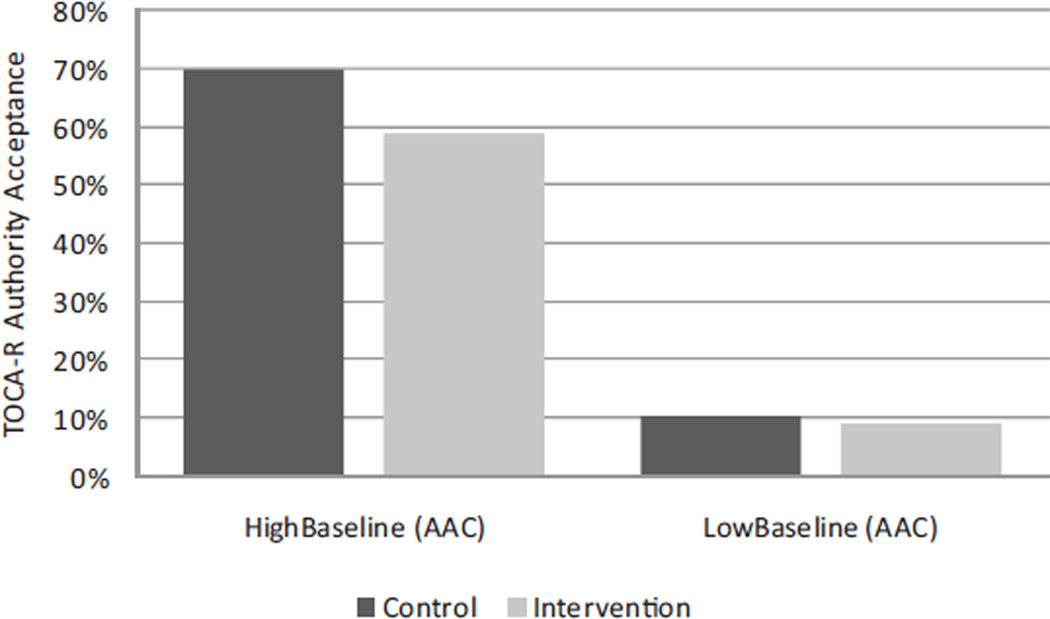
Results: The study examined the main effects of intervention as well as how outcomes were affected by characteristics of the child (baseline level of problem behavior, gender) and by the school environment (student poverty). Modest positive effects of sustained program exposure included reduced aggression and increased prosocial behavior (according to both teacher and peer report) and improved academic engagement (according to teacher report). Peer report effects were moderated by gender, with significant effects only for boys. Most intervention effects were moderated by school environment, with effects stronger in less disadvantaged schools, and effects on aggression were larger in students who showed higher baseline levels of aggression.
Conclusions: A major implication of the findings is that well-implemented multiyear social-emotional learning programs can have significant and meaningful preventive effects on the population-level rates of aggression, social competence, and academic engagement in the elementary school years.
(c) 2010 APA, all rights reserved.
Figures
References
-
- Aber JL, Jones SB, Brown JL, Chaudry N, Samples F. Resolving conflict creatively: Evaluating the developmental effects of a school-based violence prevention program in neighborhood and classroom context. Development and Psychopathology. 2002;10:187–213. - PubMed
-
- Achenbach TM. Manual for the Teacher’s Report Form and 1991 Profile. Burlington: University of Vermont Department of Psychiatry; 1991.
-
- Barth JM, Dunlap ST, Dane H, Lochman JE, Wells KC. Classroom environment influences on aggression, peer relations, and academic focus. Journal of School Psychology. 2004;42:115–133.
-
- Battistich V, Solomon D, Watson M, Solomon J, Schaps E. Effects of an elementary school program to enhance prosocial behavior on children’s cognitive social problem-solving skills and strategies. Journal of Applied Developmental Psychology. 1989;10:147–169.
-
- Beelmann A, Pfingsten U, Losel F. Effects of training social competence in children: A meta-analysis of recent evaluation studies. Journal of Clinical Child Psychology. 1994;23:260–271.
Publication types
MeSH terms
Grants and funding
- K05MH00797/MH/NIMH NIH HHS/United States
- R18 MH50952/MH/NIMH NIH HHS/United States
- R01 MH050953/MH/NIMH NIH HHS/United States
- R18 MH050953/MH/NIMH NIH HHS/United States
- R18 MH48403/MH/NIMH NIH HHS/United States
- R18 MH50951/MH/NIMH NIH HHS/United States
- R18 MH050952/MH/NIMH NIH HHS/United States
- K05DA15226/DA/NIDA NIH HHS/United States
- R01 MH062988/MH/NIMH NIH HHS/United States
- R18 MH50953/MH/NIMH NIH HHS/United States
- R01 MH62988/MH/NIMH NIH HHS/United States
- R18 MH050951/MH/NIMH NIH HHS/United States
- K05 MH000797/MH/NIMH NIH HHS/United States
- K05 DA015226/DA/NIDA NIH HHS/United States
LinkOut - more resources
Full Text Sources
Medical