


Ascending projections from the caudal visceral nucleus of the solitary tract to brain regions involved in food intake and energy expenditure
- PMID: 20353764
- PMCID: PMC2909454
- DOI: 10.1016/j.brainres.2010.03.059
Ascending projections from the caudal visceral nucleus of the solitary tract to brain regions involved in food intake and energy expenditure
Abstract
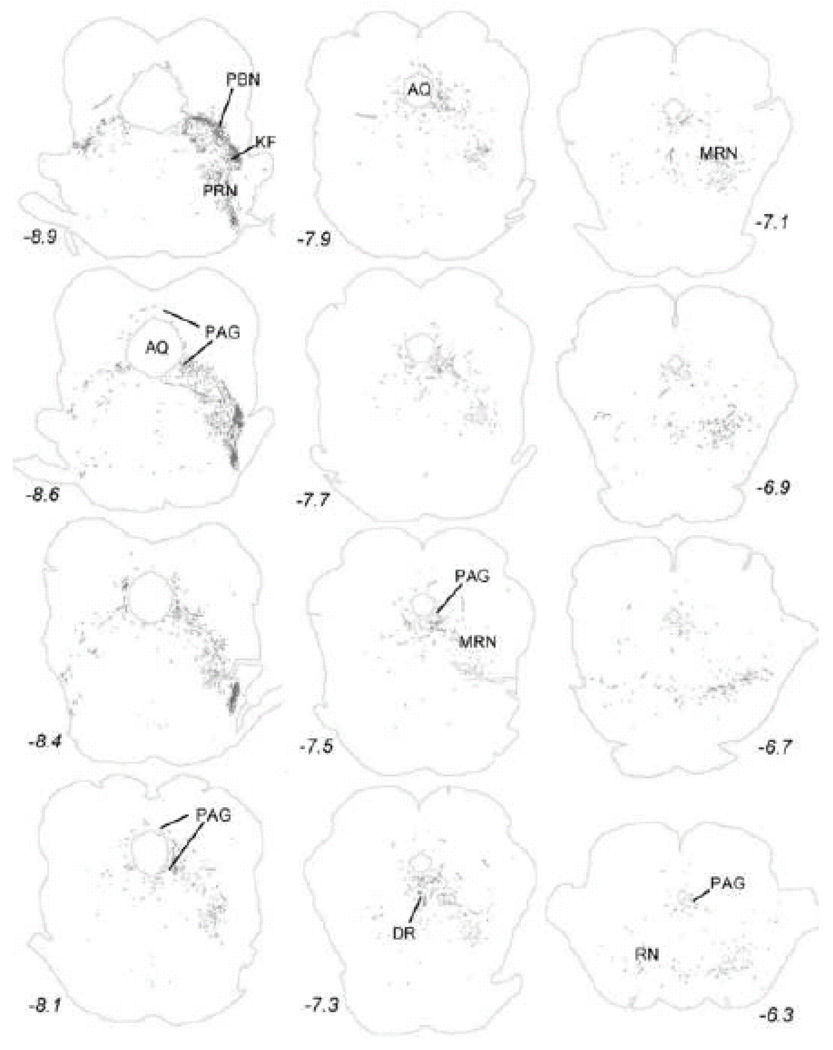
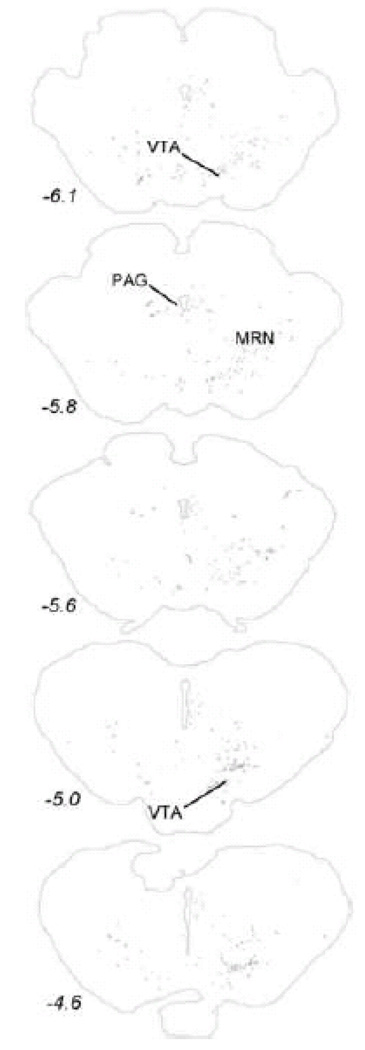
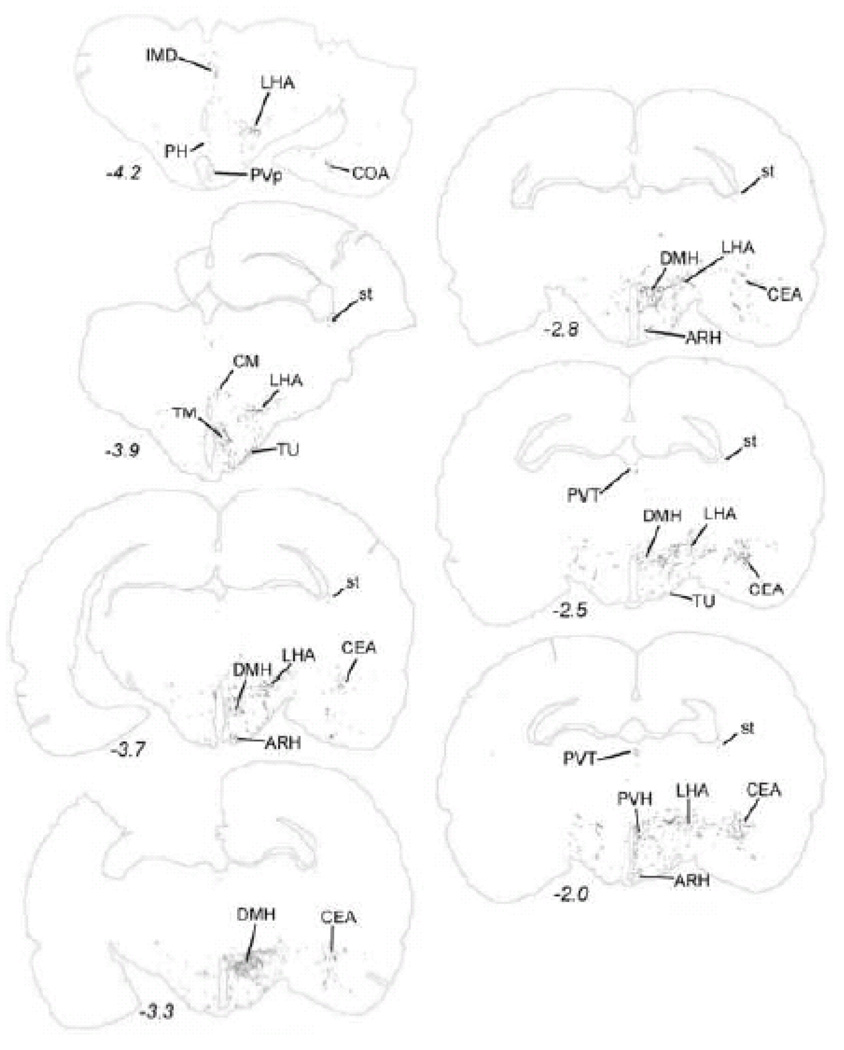
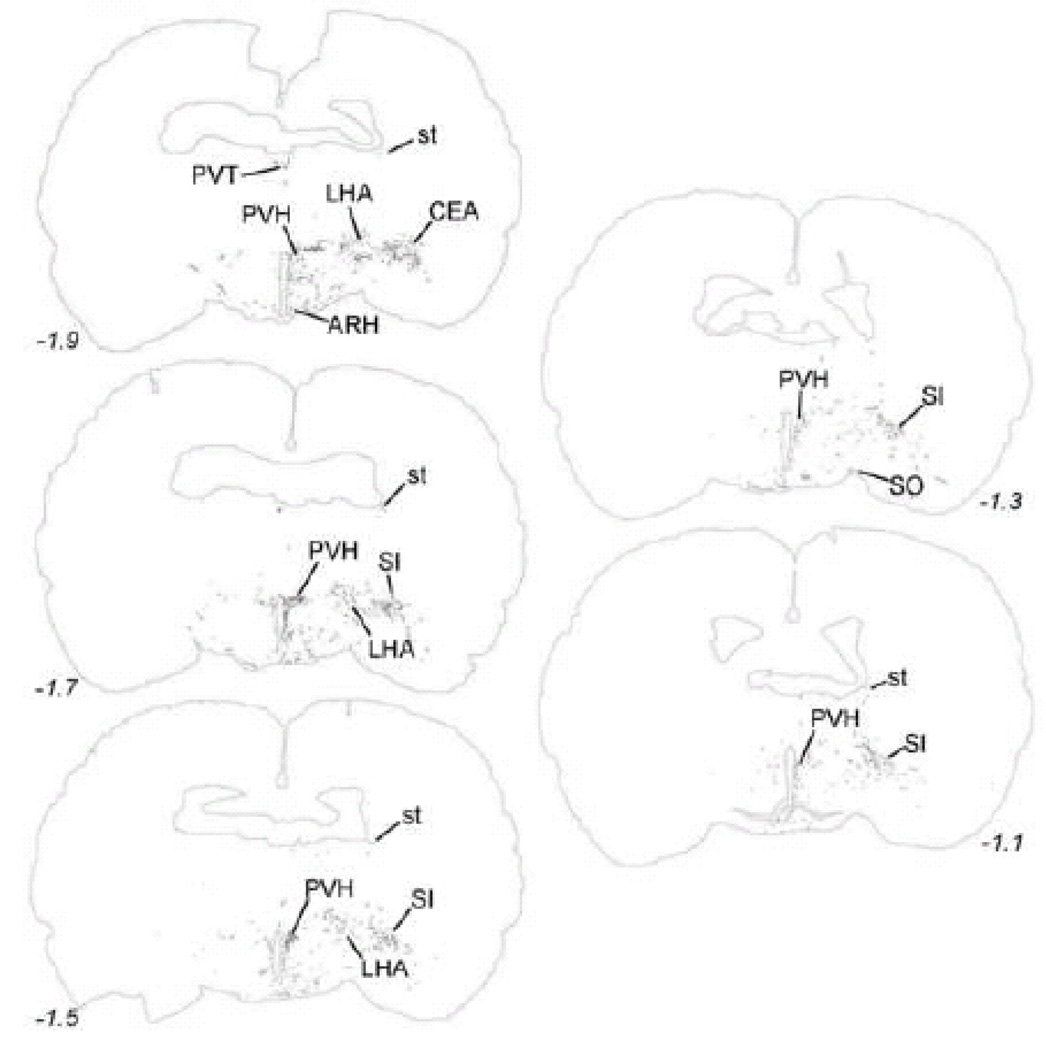
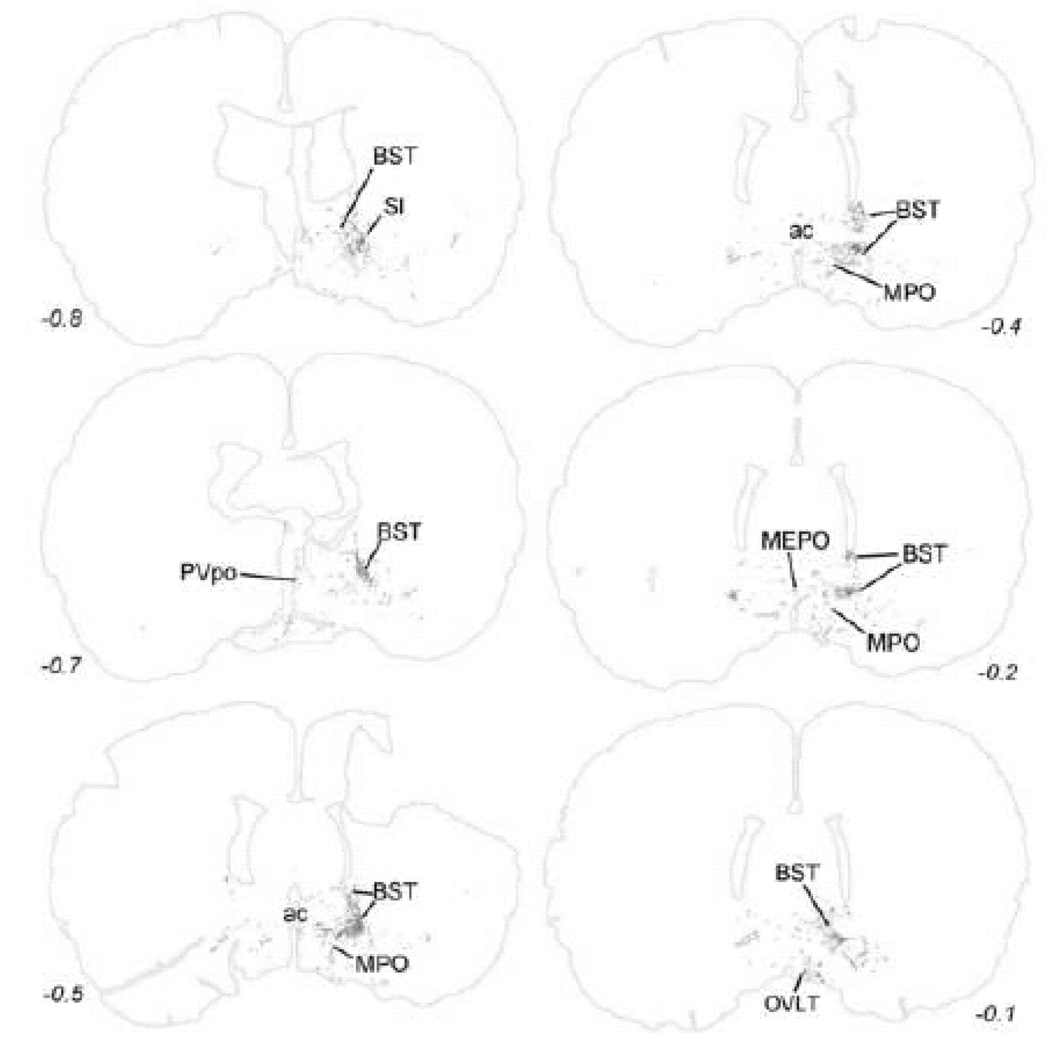
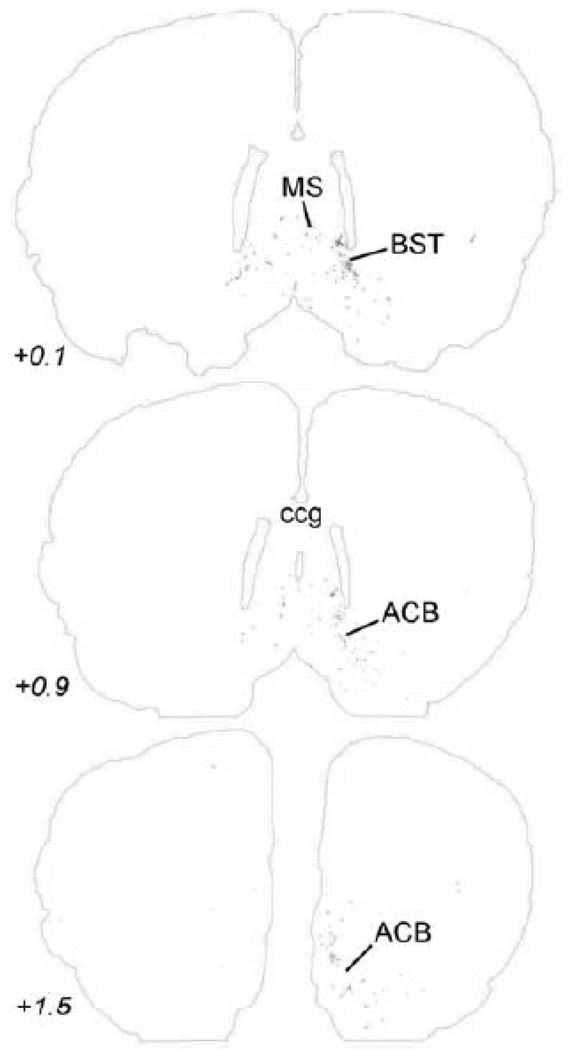
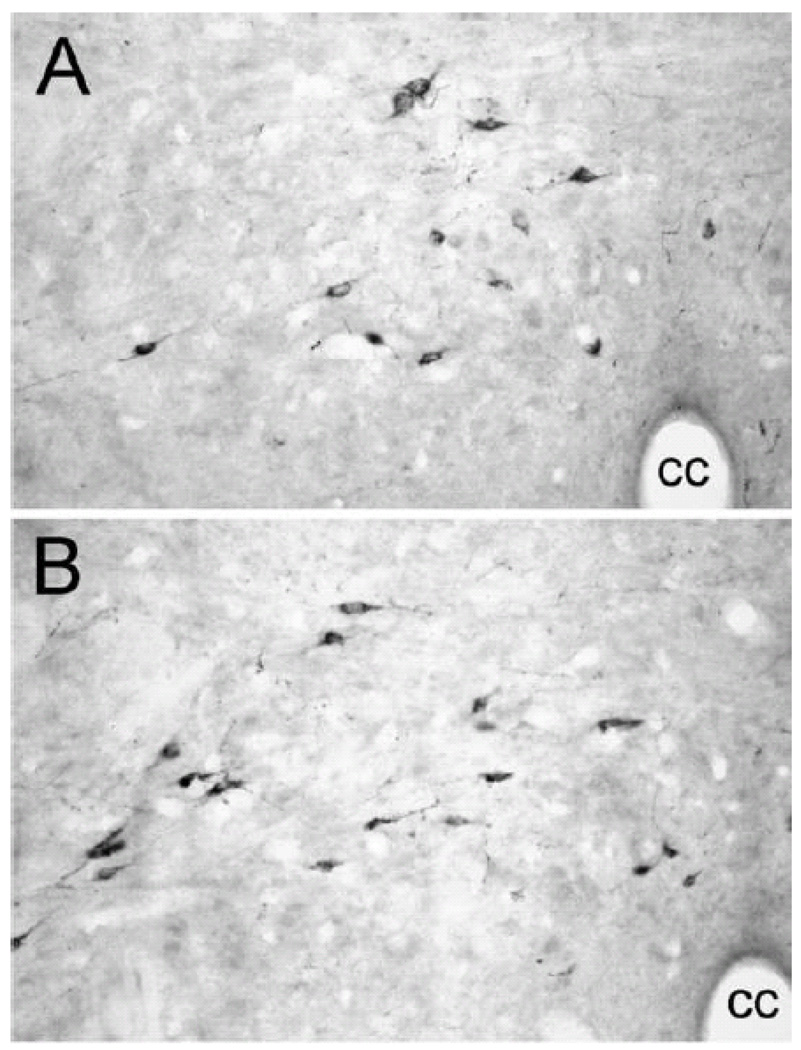
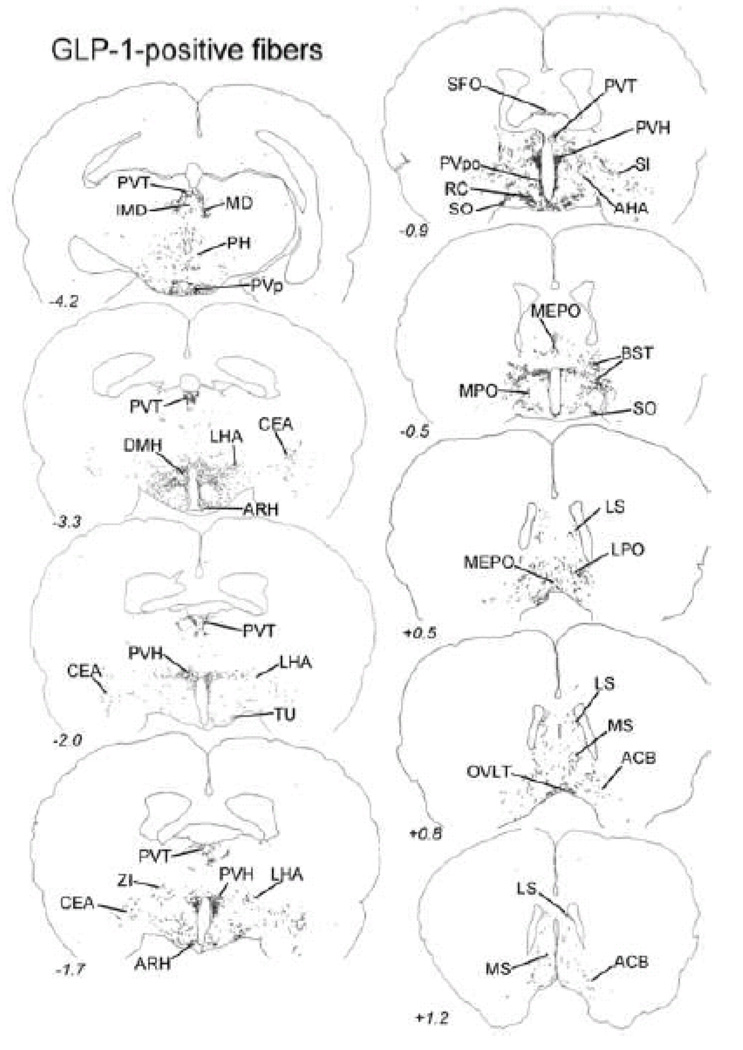
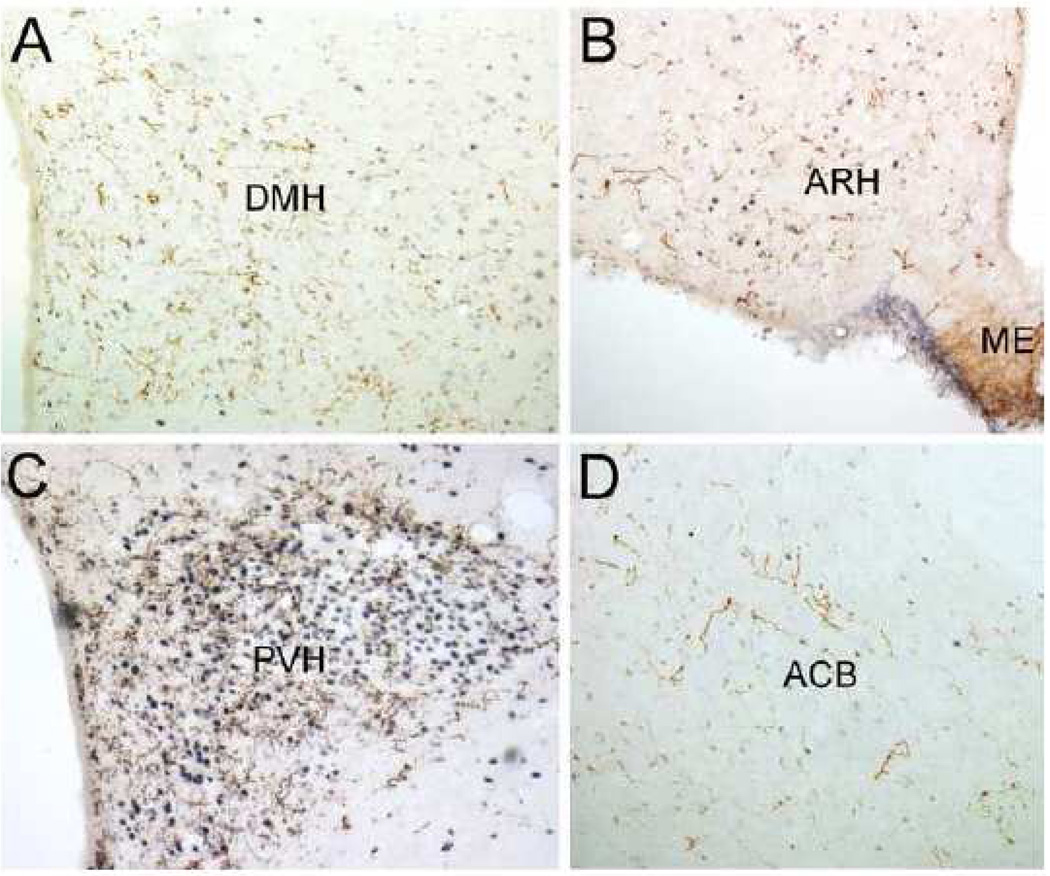
Metabolic homeostasis reflects the complex output of endocrine, autonomic, and behavioral control circuits that extend throughout the central nervous system. Brain regions that control food intake and energy expenditure are privy to continuous visceral sensory feedback signals that presumably modulate appetite, satiety, digestion, and metabolism. Sensory signals from the gastrointestinal tract and associated digestive viscera are delivered to the brain primarily by vagal afferents that terminate centrally within the caudal nucleus of the solitary tract (NST), with signals subsequently relayed to higher brain regions by parallel noradrenergic and peptidergic projection pathways arising within the NST. This article begins with an overview of these ascending pathways identified in adult rats using a standard anterograde tracer microinjected into the caudal visceral sensory region of the NST, and also by immunocytochemical localization of glucagon-like peptide-1. NST projection targets identified by these two approaches are compared to the distribution of neurons that become infected after inoculating the ventral stomach wall with a neurotropic virus that transneuronally infects synaptically-linked chains of neurons in the anterograde (i.e., ascending sensory) direction. Although the focus of this article is the anatomical organization of axonal projections from the caudal visceral NST to the hypothalamus and limbic forebrain, discussion is included regarding the hypothesized role of these projections in modulating behavioral arousal and coordinating endocrine and behavioral (i.e., hypophagic) responses to stress.
2010 Elsevier B.V. All rights reserved.
Figures
References
-
- Al-Damluji S. Adrenergic mechanisms in the control of corticotropin secretion. Journal of Endocrinology. 1988;119:5–14. - PubMed
-
- Alonso G, Szafarczyk A, Balmefrezol M, Assenmacher I. Immunocytochemical evidence of stimulatory control by the ventral noradrenergic bundle of parvicellular neurons of the paraventricular nucleus secreting corticotropin-releasing hormone and vasopressin in rats. Brain Research. 1986;397:297–307. - PubMed
-
- Altschuler SM, Rinaman L, Miselis RR. Viscerotopic representation of the alimentary tract in the dorsal and ventral vagal complex in the rat. In: Ritter S, Ritter RC, Barnes CD, editors. Neuroanatomy and Physiology of Abdominal Vagal Afferents. Vol. Boca Raton: CRC Press; 1992. pp. 21–54.
-
- Altschuler SM, Bao X, Bieger D, Hopkins DA, Miselis RR. Viscerotopic representation of the upper alimentary tract in the rat: sensory ganglia and nuclei of the solitary and spinal trigeminal tracts. Journal of Comparative Neurology. 1989;283:248–268. - PubMed
Publication types
MeSH terms
Substances
Grants and funding
LinkOut - more resources
Full Text Sources
