


Low-dose synergistic immunosuppression of T-dependent antibody responses by polycyclic aromatic hydrocarbons and arsenic in C57BL/6J murine spleen cells
- PMID: 20353797
- PMCID: PMC4271546
- DOI: 10.1016/j.taap.2010.03.020
Low-dose synergistic immunosuppression of T-dependent antibody responses by polycyclic aromatic hydrocarbons and arsenic in C57BL/6J murine spleen cells
Abstract
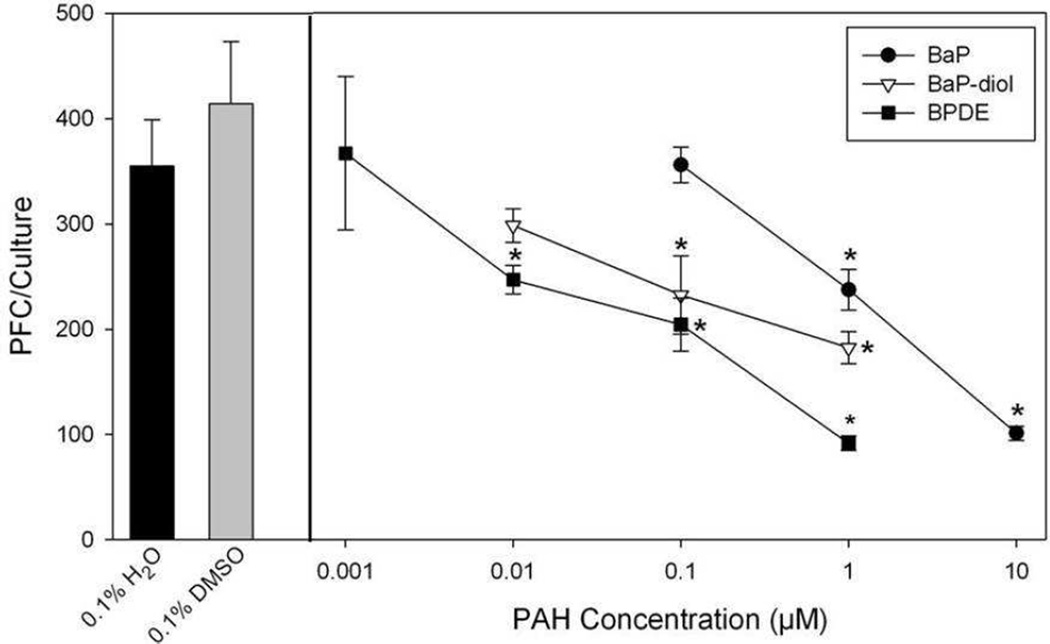
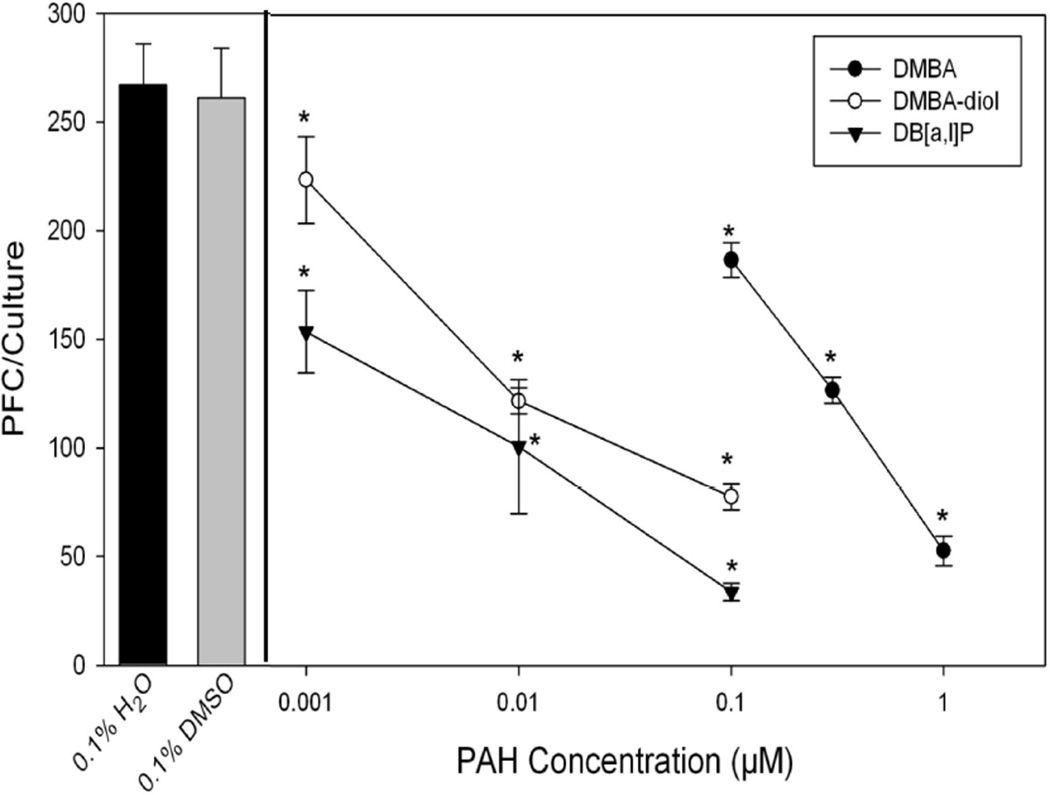
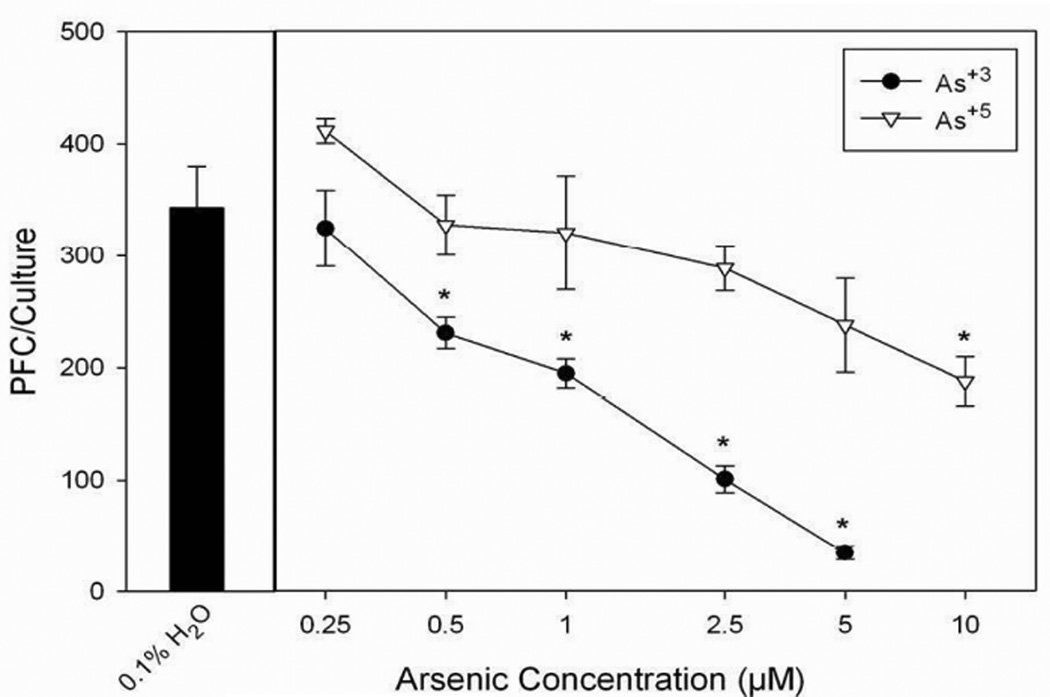
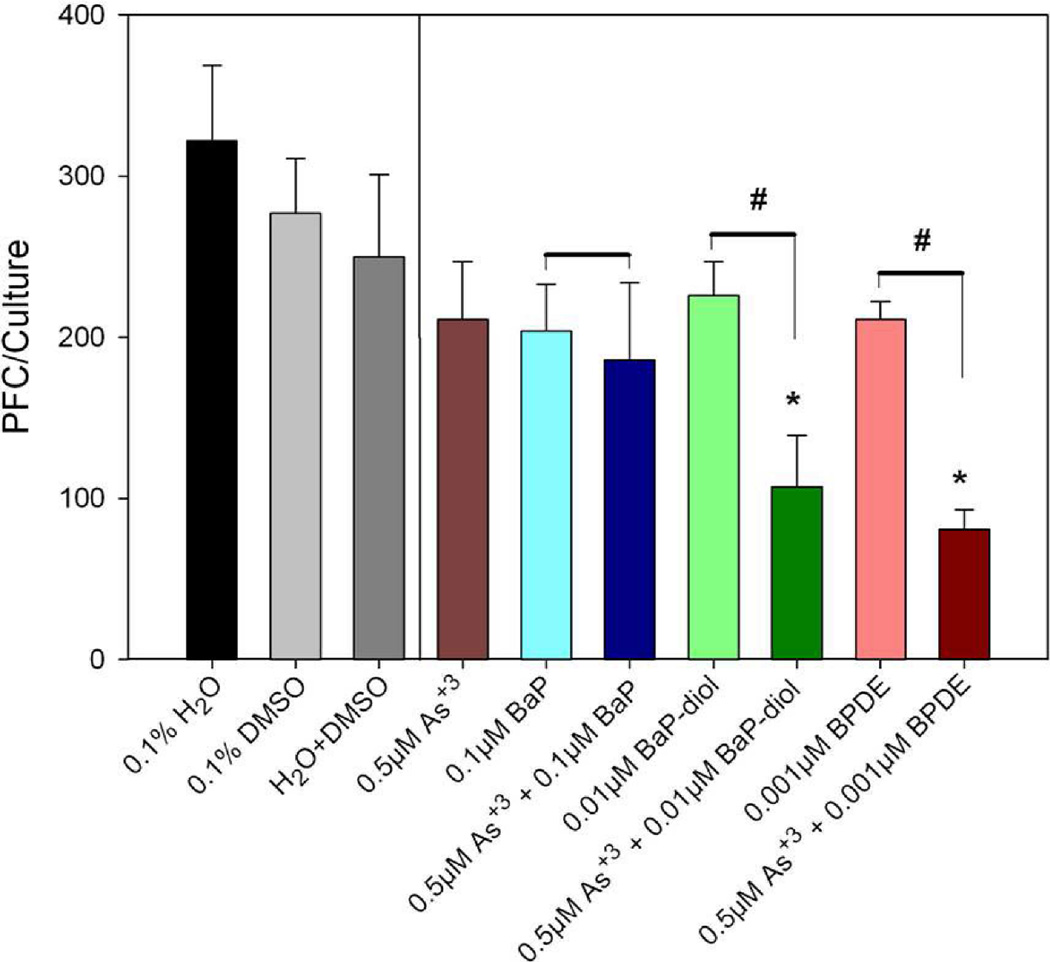
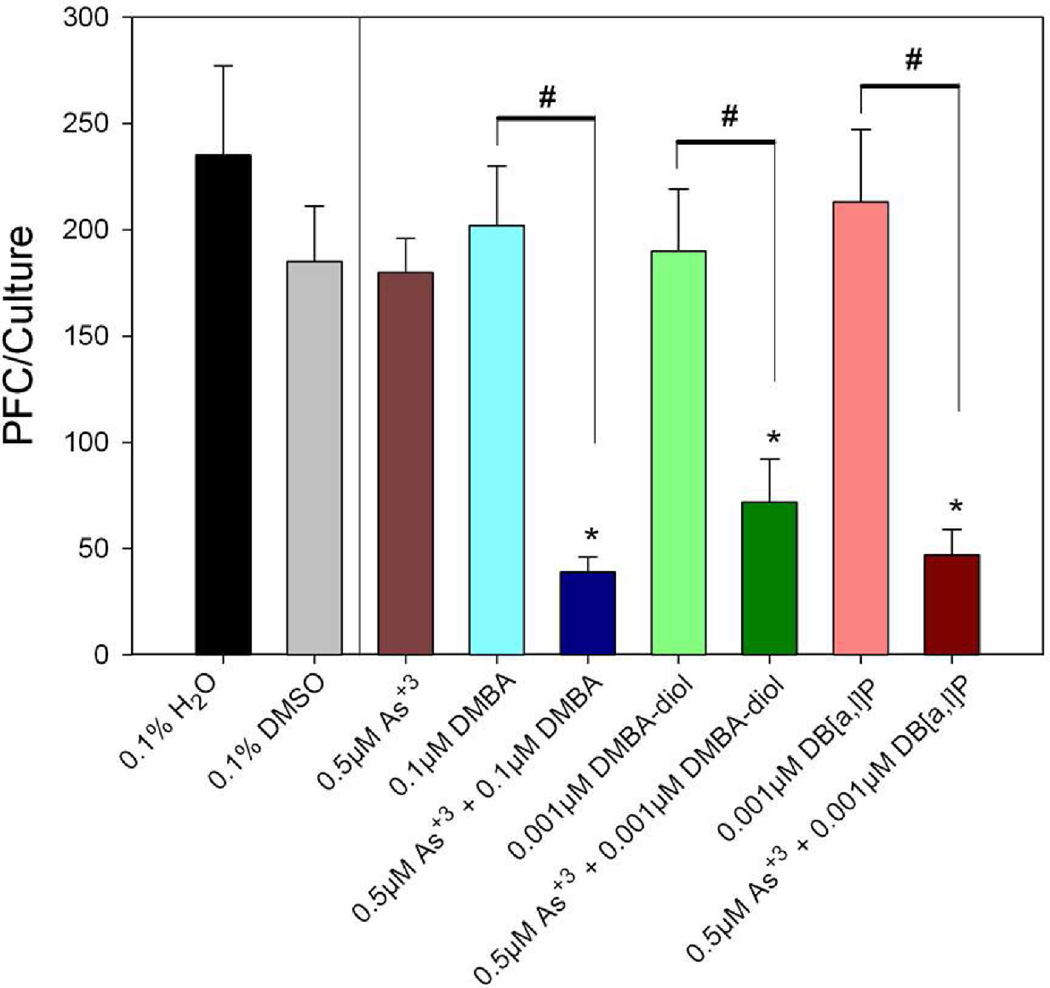
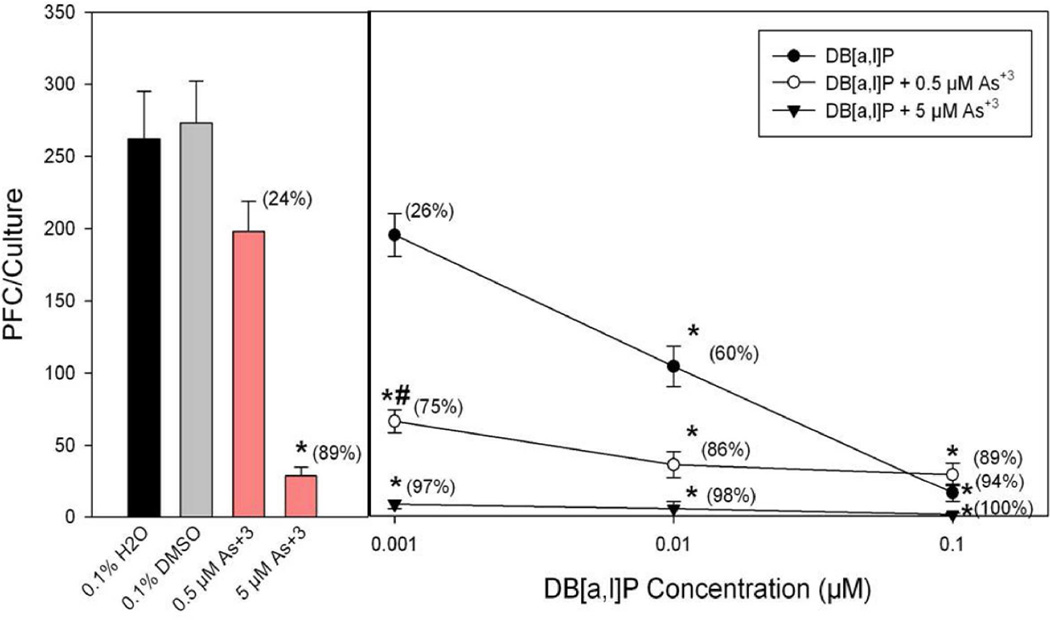
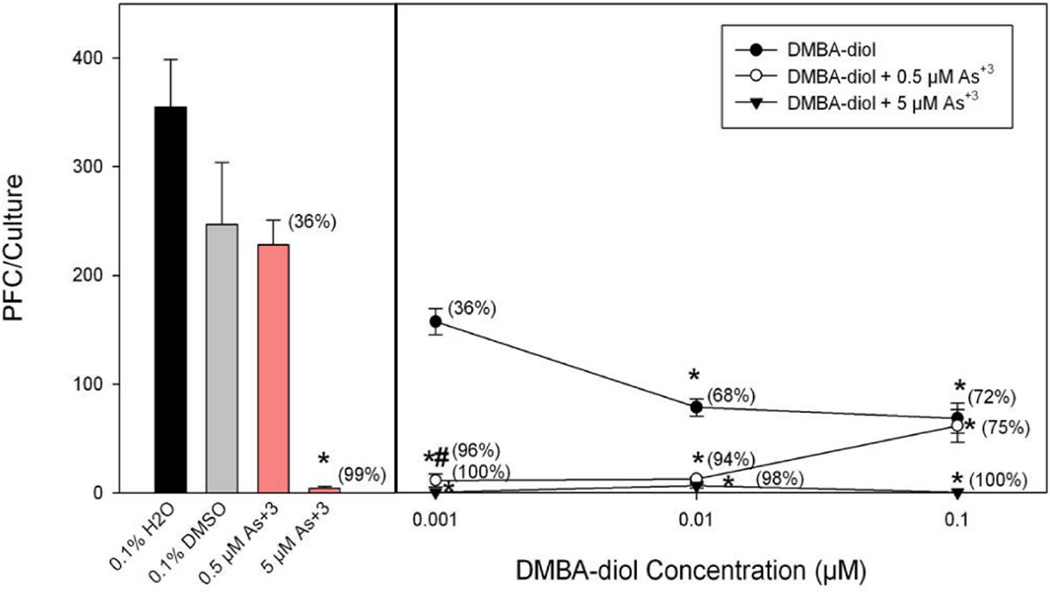
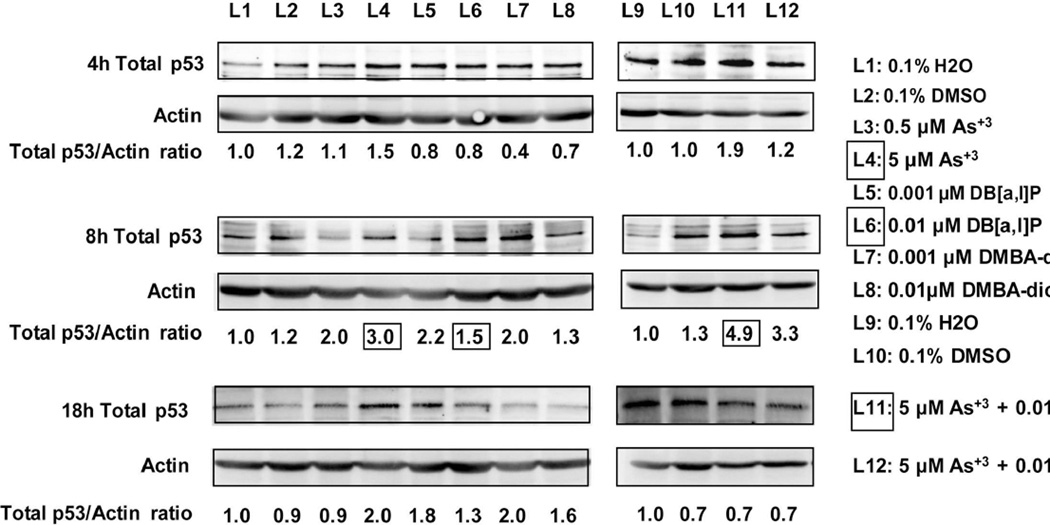
Polycyclic aromatic hydrocarbons (PAHs) and arsenic are both environmental agents that are known to have significant immunotoxicity. Previous studies have shown that PAH exposure of spleen cells in vitro produces significant immune suppression of humoral immunity, especially when P450 activation products are examined. Exposure to arsenic, particularly sodium arsenite, has also been found to be suppressive to antibody responses in vitro and in vivo. The purpose of the present studies was to examine the immunotoxicity of PAHs and arsenite following coexposures with the theory being that the agents may exert synergistic actions, which might be based on their different mechanisms of action. Spleen cells were isolated from male C57BL/6J wild-type mice and treated with PAHs and/or arsenic (arsenite or arsenate). Immunotoxicity assays were used to assess the T-dependent antibody response (TDAR) to sheep red blood cells (SRBCs), measured by a direct plaque-forming cell (PFC) assay. Cell viability was measured by trypan blue staining. Spleen cell viability was not altered following 4 days of PAH and/or arsenic treatment. However, the TDAR demonstrated suppression by both PAHs and arsenic in a concentration-dependent manner. p53 was also induced by NaAsO(2) (As(3)(+)) and PAHs alone or in combination. The PAHs and their metabolites investigated included benzo[a]pyrene (BaP), BaP-7,8-diol, BaP-7,8-diol-9,10-epoxide (BPDE), 7,12-dimethylbenz[a]anthracene (DMBA), DMBA-3,4-diol, dibenzo[a,l]pyrene (DB[a,l]P). PAH metabolites were found to be more potent than parent compounds in producing immunosuppression and inducing p53 expression. Interestingly, DB[a,l]P, a potent carcinogenic PAH not previously characterized for immunotoxicity, was also found to be strongly immunosuppressive. Arsenite (NaAsO(2), As(3)(+)) was found to produce immunosuppression at concentrations as low as 0.5 microM and was immunosuppressive at a 10-fold lower concentration than sodium arsenate (Na(2)HAsO(4), As(5)(+)). Coexposure of spleen cell cultures to PAHs and As(3)(+), both at individual low-effect concentrations, was found to produce profound suppression of the TDAR demonstrating synergy between these two chemical classes of agents.
Copyright 2010 Elsevier Inc. All rights reserved.
Figures
References
-
- Bergvall C, Westerholm R. Identification and determination of highly carcinogenic dibenzopyrene isomers in air particulate samples from a street canyon, a rooftop, and a subway station in Stockholm. Environ SciTech. 2007;41:731–737. - PubMed
-
- Burchiel SW, Davis DA, Gomez MP, Montano RM, Barton SL, Seamer LC. Inhibition of lymphocyte activation in splenic and gut-associated lymphoid tissues following oral exposure of mice to 7,12-dimethylbenz[a]anthracene. Toxicol Appl Pharmacol. 1990;105:434–442. - PubMed
-
- Burchiel SW, Davis DA, Ray SD, Archuleta MM, Thilsted JP, Corcoran GB. DMBA-induced cytotoxicity in lymphoid and nonlymphoid organs of B6C3F1 mice: relation of cell death to target cell intracellular calcium and DNA damage. Toxicol Appl Pharmacol. 1992;113:126–132. - PubMed
-
- Burns LA, Sikorski EE, Saady JJ, Munson AE. Evidence for arsenic as the immunosuppressive component of gallium arsenide. Toxicol Appl Pharmacol. 1991;110:157–169. - PubMed
Publication types
MeSH terms
Substances
Grants and funding
LinkOut - more resources
Full Text Sources
Research Materials
Miscellaneous
