


Heterologous expression of fused genes encoding the glycoprotein 5 from PRRSV: a way for producing functional protein in prokaryotic microorganism
- PMID: 20356565
- PMCID: PMC7114092
- DOI: 10.1016/j.jbiotec.2010.03.013
Heterologous expression of fused genes encoding the glycoprotein 5 from PRRSV: a way for producing functional protein in prokaryotic microorganism
Abstract
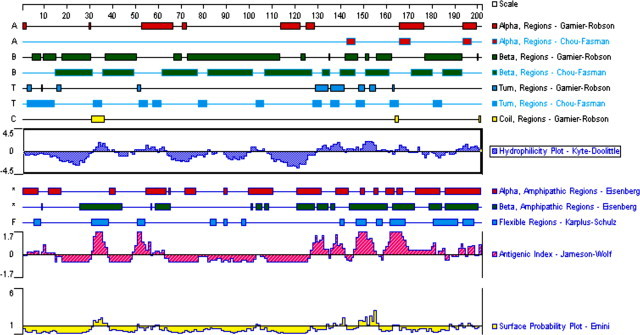
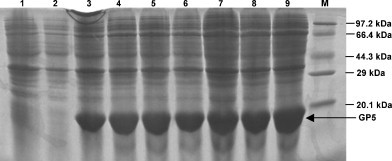
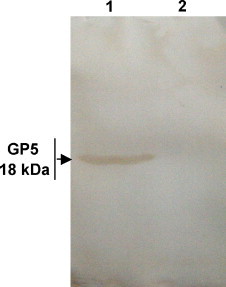
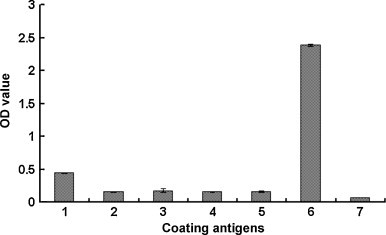
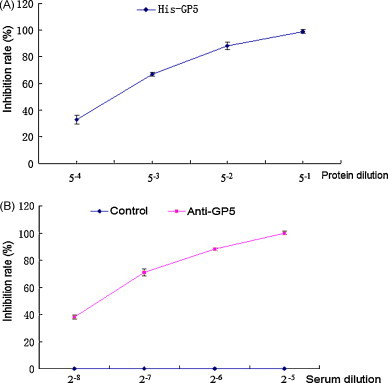
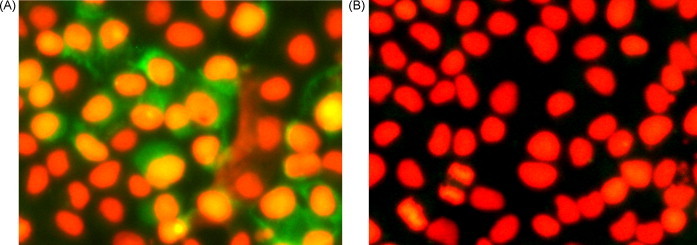
Based on the bioinformatics analysis of the gene encoding glycoprotein 5 (GP5) of porcine reproductive and respiratory syndrome virus (PRRSV) isolate HH08, two gene fragments were amplified by polymerase chain reaction (PCR), deleting the signal peptide and transmembrane sequences in GP5 gene. Both gene fragments were designated GP5a and GP5b, respectively. They were ligated with a linker and cloned into prokaryotic expression vector, pET-30a. Expression of the protein of interest was induced by isopropyl beta-d-1-thiogalactopyranoside. The purified protein was used as an immunogen to elicit antibody in rabbit. The immunoreactivity of the protein was determined using ELISA and Western blot. Biologically active GP5 and anti-GP5 antibody inhibited cell infection by PRRSV. Moreover, the antibody produced in this study was capable of detecting the cell infection by PRRSV and distinguishing this virus from other viruses.
2010 Elsevier B.V. All rights reserved.
Figures
References
-
- Benfield D.A., Nelson E., Collins J.E., Harris L., Goyal S.M., Robison D., Christianson W.T., Morrison R.B., Gorcyca D., Chladek D. Characterization of swine infertility and respiratory syndrome (SIRS) virus (isolate ATCC VR-2332) J. Vet. Diagn. Invest. 1992;4:127–133. - PubMed
-
- Cavanagh D. Nidovirales: a new order comprising Coronaviridae and Arteriviridae. Arch. Virol. 1997;142:629–633. - PubMed
-
- Collins J.E., Benfield D.A., Christianson W.T., Harris L., Hennings J.C., Shaw D.P., Goyal S.M., McCullough S., Morrison R.B., Joo H.S. Isolation of swine infertility and respiratory syndrome virus (isolate ATCC VR-2332) in North America and experimental reproduction of the disease in gnotobiotic pigs. J. Vet. Diagn. Invest. 1992;4:117–126. - PubMed
-
- Faaberg K.S., Hocker J.D., Erdman M.M., Harris D.L., Nelson E.A., Torremorell M., Plagemann P.G. Neutralizing antibody responses of pigs infected with natural GP5 N-glycan mutants of porcine reproductive and respiratory syndrome virus. Viral. Immunol. 2006;19:294–304. - PubMed
Publication types
MeSH terms
Substances
LinkOut - more resources
Full Text Sources
Miscellaneous
