Review
. 2010 May;86(6):1719-36.
doi: 10.1007/s00253-010-2525-3. Epub 2010 Apr 2.

Unraveling polyketide synthesis in members of the genus Aspergillus

Affiliations
Review

Unraveling polyketide synthesis in members of the genus Aspergillus

Yi-Ming Chiang et al. Appl Microbiol Biotechnol. 2010 May.

Abstract

Aspergillus species have the ability to produce a wide range of secondary metabolites including polyketides that are generated by multi-domain polyketide synthases (PKSs). Recent biochemical studies using dissected single or multiple domains from PKSs have provided deep insight into how these PKSs control the structural outcome. Moreover, the recent genome sequencing of several species has greatly facilitated the understanding of the biosynthetic pathways for these secondary metabolites. In this review, we will highlight the current knowledge regarding polyketide biosynthesis in Aspergillus based on the domain architecture of non-reducing, highly reducing, and partially reducing PKSs, and PKS-non-ribosomal peptide synthetases.


Figures
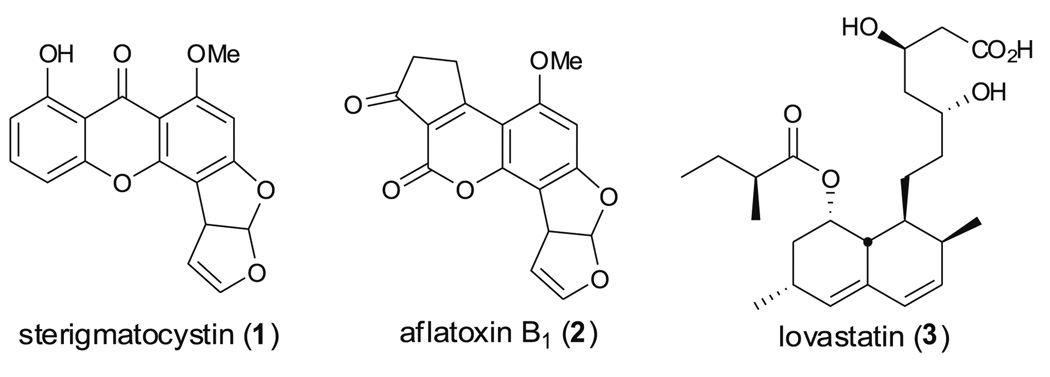
Fig. 1
Fig. 1
Three important secondary metabolites from Aspergillus
Fig. 2
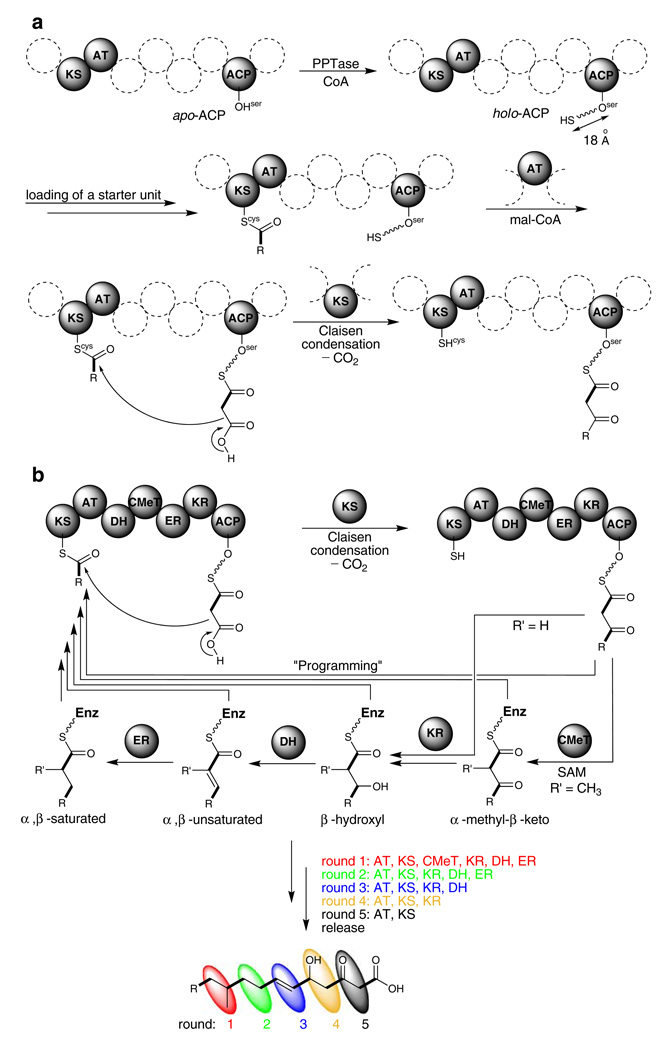
Fig. 2
General reaction mechanisms catalyzed by iterative fungal PKSs. a Minimal fungal PKS containing KS, AT, and ACP domains. b Programming of CMeT, KR, DH, and ER domains in HR-PKS
Fig. 3
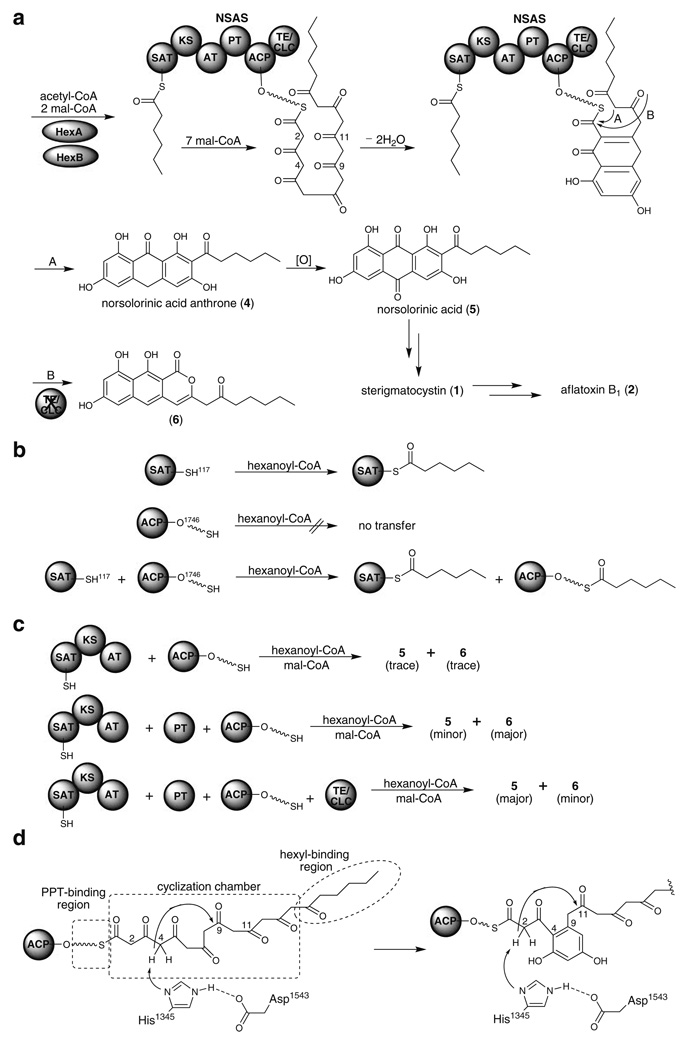
Fig. 3
SAT and PT domains of NSAS in aflatoxin B1 biosynthetic pathway. a Biosynthetic pathway of norsolorinic acid (5), sterigmatosystin (1), and aflatoxin B1 (2) (pathway A); and naphthopyrone (6) formation in the absence of TE/CLC domain (pathway B). b In vitro hexanoyl transfer activity in the presence of SAT, ACP, or SAT and ACP monodomains. c Products detected after reconstituting different domain (s) of NSAS in vitro. d Proposed cyclization mechanism catalyzed by the NSAS PT domain
Fig. 4
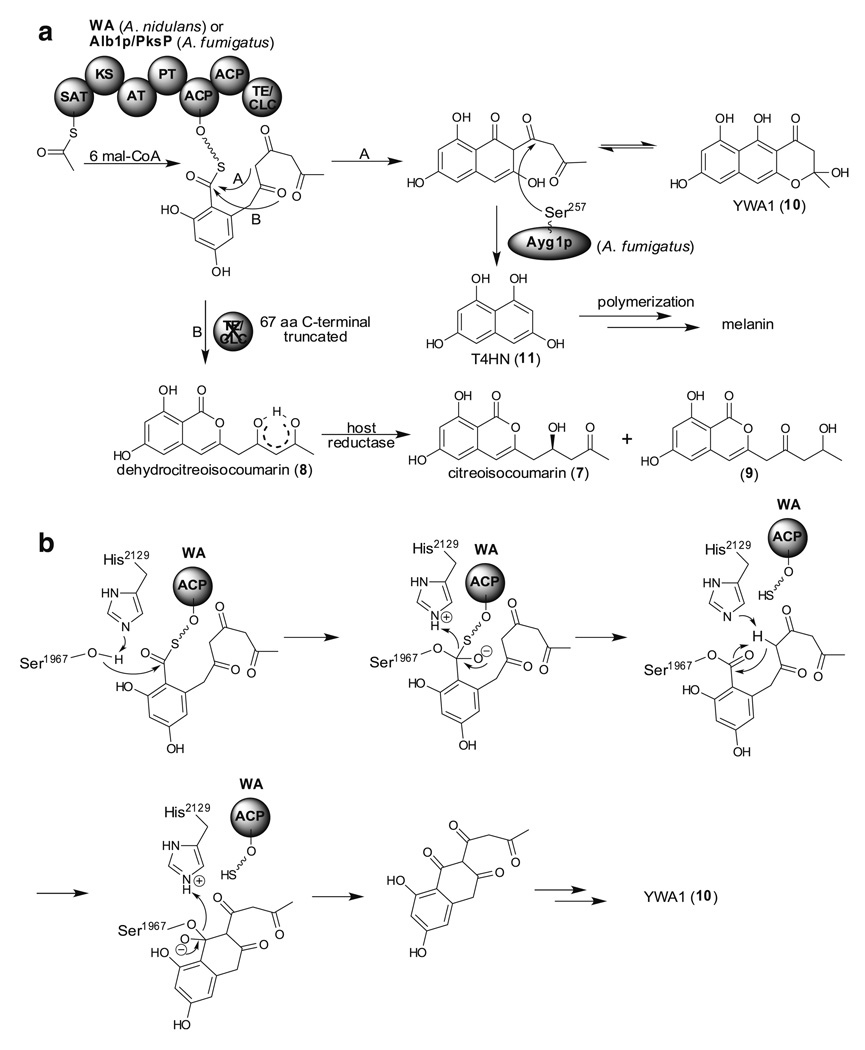
Fig. 4
TE/CLC containing NR-PKSs involved in melanin biosynthesis. a Biosynthetic pathway of YWA1 (10), T4HN (11), and melanin (pathway A); and isocoumarin formation in the absence of TE/CLC domain (pathway B). b Proposed mechanism of Claisen cyclization by TE/CLC domain of WA
Fig. 5
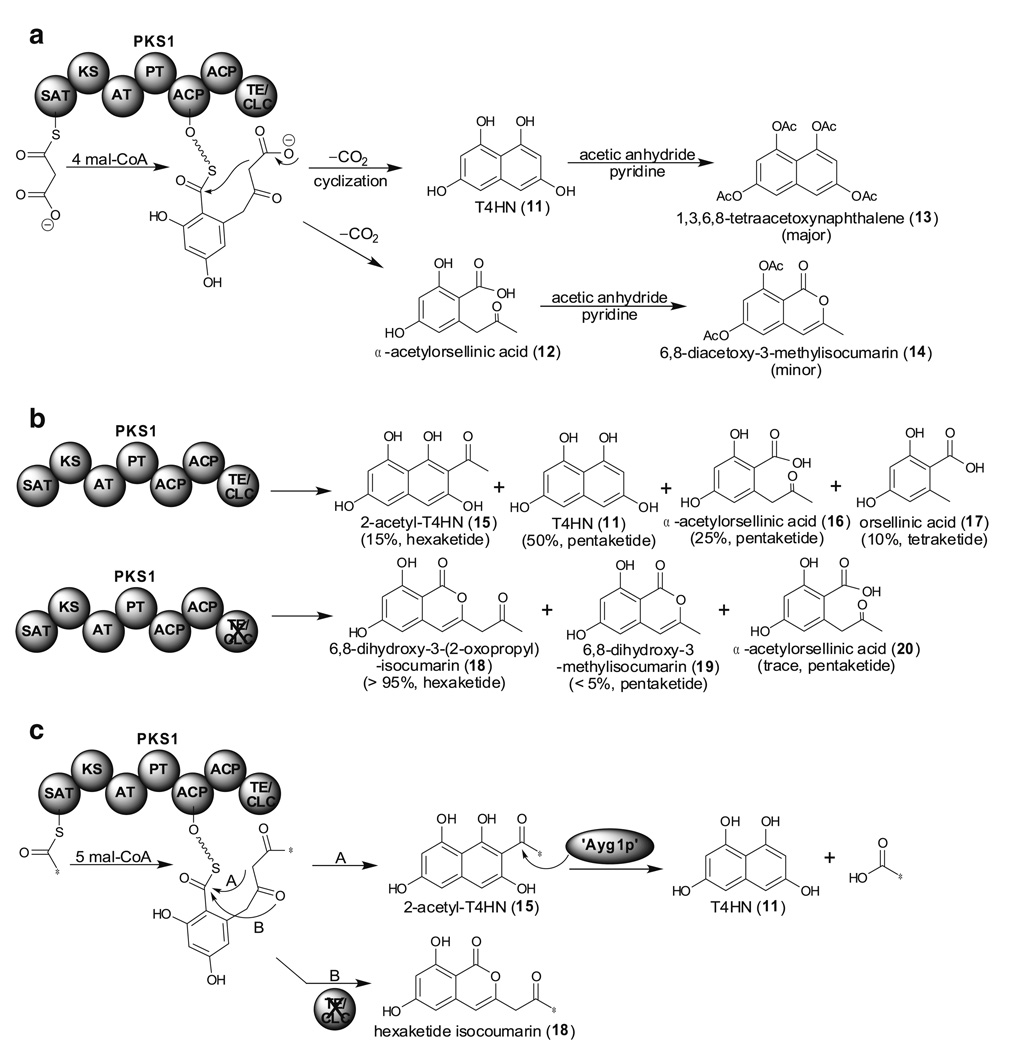
Fig. 5
Two different proposed T4HN biosynthetic pathways catalyzed by PKS1. a Proposed biosynthetic pathway using mal-CoA as a starter unit and metabolites isolated from hetrologous expression of PKS1 in A. oryzae M-2-3. b Revisit the product distribution produced by wild type and TE/CLC less PKS1 by LC-ESI-MS. c Alternative proposed mechanism of T4HN (11) formation using acetyl-CoA as a starter unit. *: 14C-labeled carbon form acetyl-CoA
Fig. 6
Fig. 6
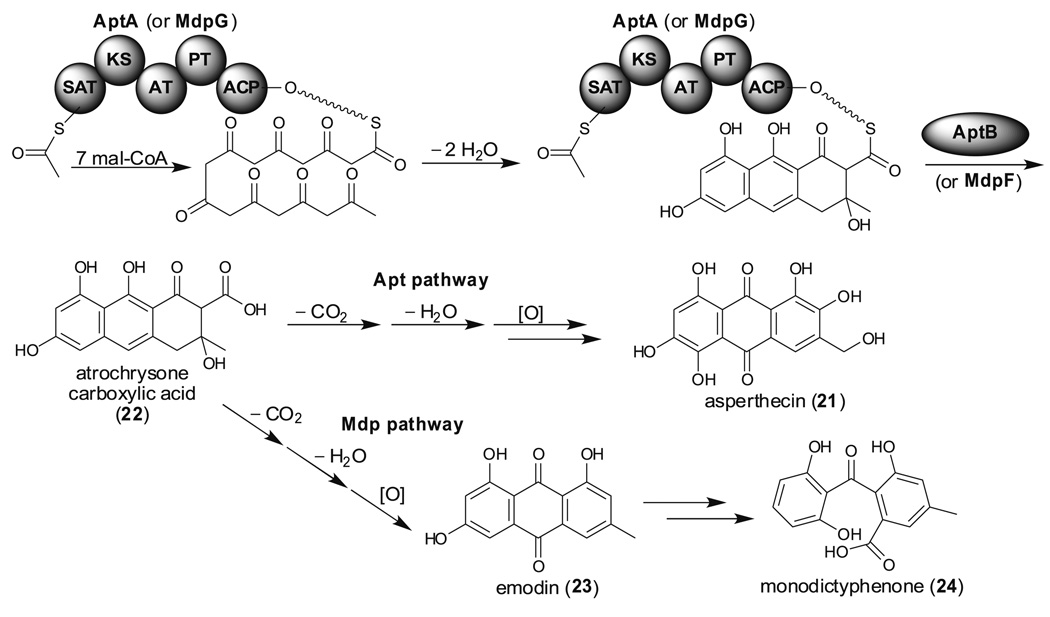
TE less NR-PKSs involved in asperthecin (21, Apt pathway) and monodictyphenone (24, Mdp pathway) biosynthesis
Fig. 7
Fig. 7
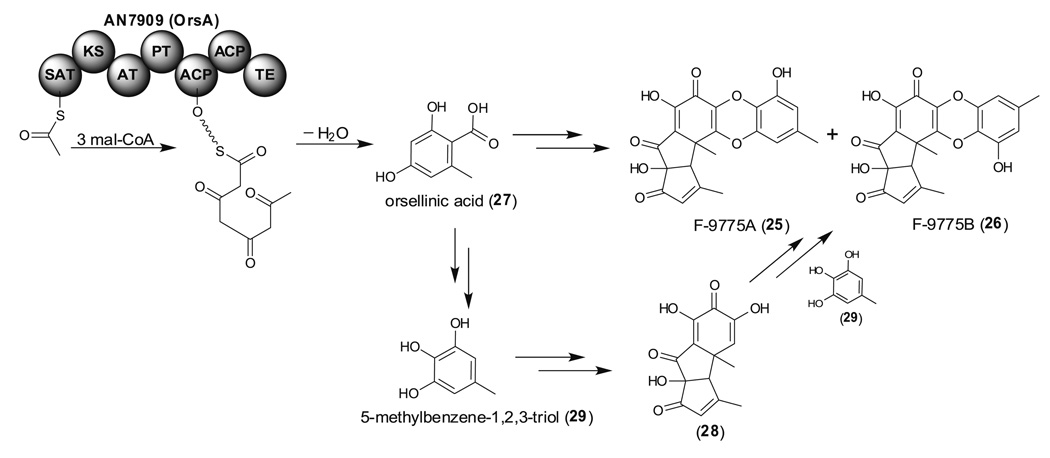
Proposed F9775 (25 and 26) and orsellinic acid (27) biosynthetic pathway catalyzed by TE containing NR-PKS, OrsA
Fig. 8
Fig. 8
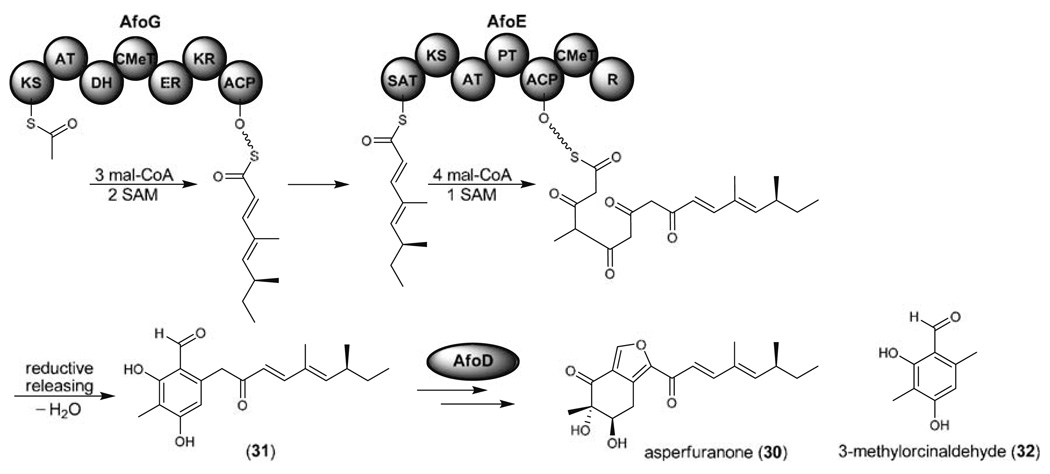
Biosynthetic pathway of asperfuraone (30) mediated by one HR-PKS (AfoG) and one NR-PKS (AfoE) that containing the reductase (R) releasing domain
Fig. 9
Fig. 9
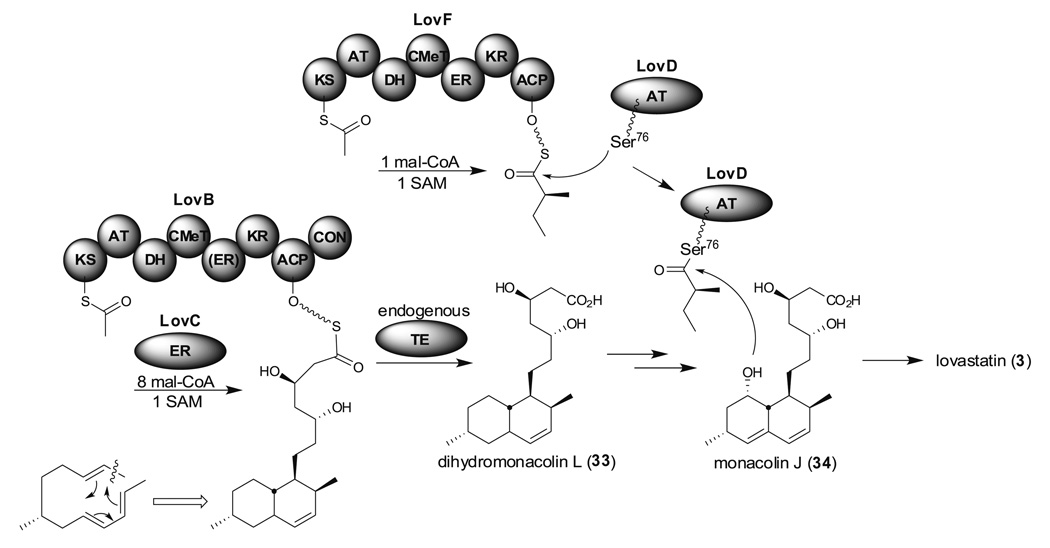
Lovastatin (3) biosynthesis mediated by one iterative HR-PKS (LovB) and one noniterative HR-PKS (LovF)
Fig. 10
Fig. 10
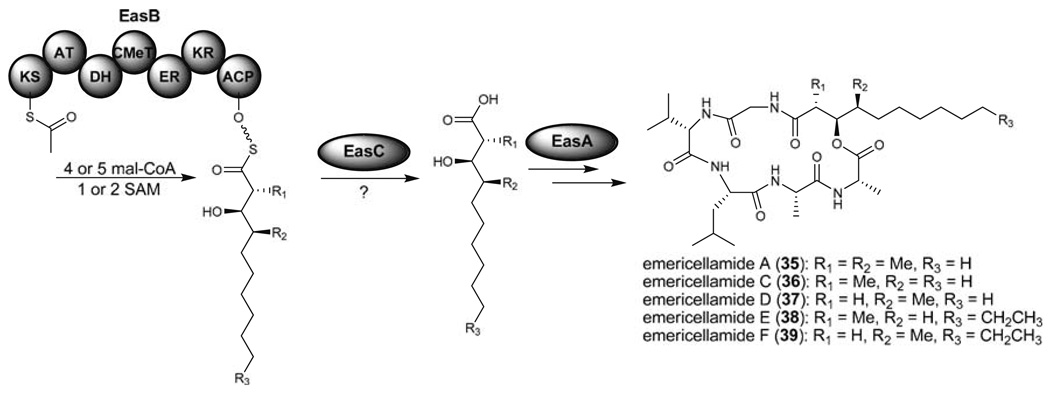
Proposed functions of EasB (HR-PKS), EasC (AT), and EasA (NRPS) involved in the biosynthesis of emericellamides (35–39)
Fig. 11
Fig. 11
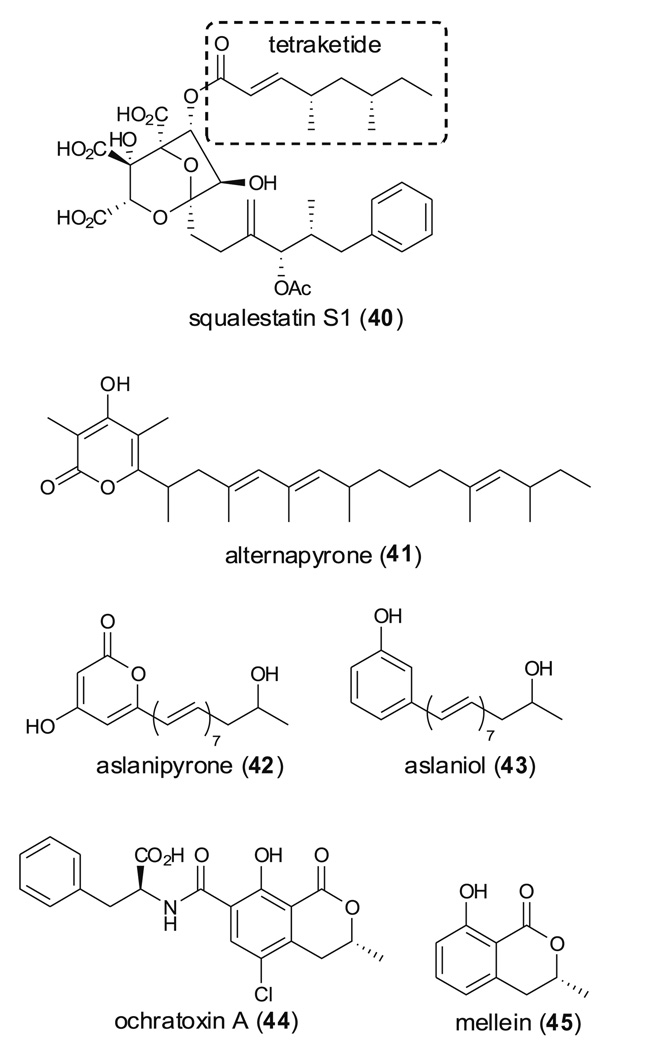
Chemical structures of compounds 40–45 synthesized by fungal HR-PKSs
Fig. 12
Fig. 12
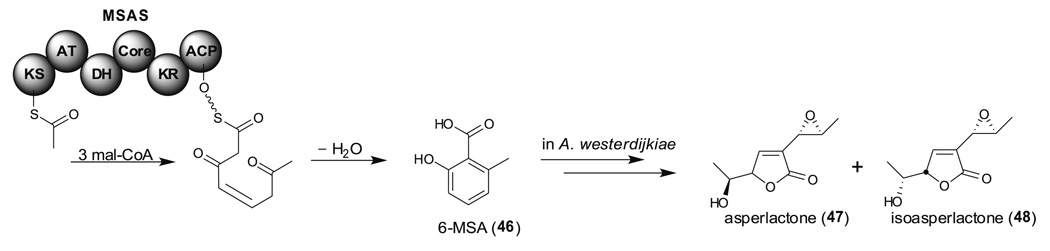
RP-PKS domain architecture of 6-MSA synthase (MSAS) and the connection of asperlactone (47) and isoasperlactone (48) biosynthesis in A. westerdijkiae
Fig. 13
Fig. 13
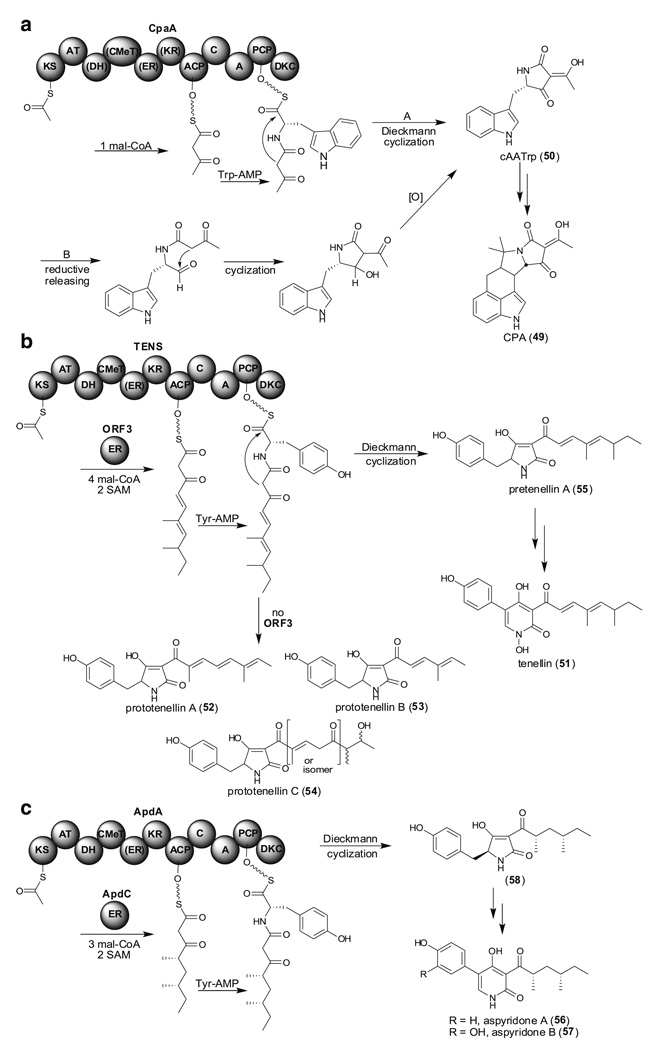
Fungal PKS-NRPSs containing the Dieckman cyclase (DKC) releasing domain. a Two possible product release mechanisms in cAATrp (50) formation in the CPA (49) biosynthetic pathway. Dieckman cyclization/releasing (pathway A) and reductive releasing/cyclization/reoxidation (pathway B). b Major compounds isolated from A. oryzae M-2-3 transformed to express tenS (52–54) or to co-express tenS and orf3 (55). c Proposed biosynthesis and production of aspyridones (56 and 57) after activation of the regulator in apd gene cluster
Fig. 14
Fig. 14
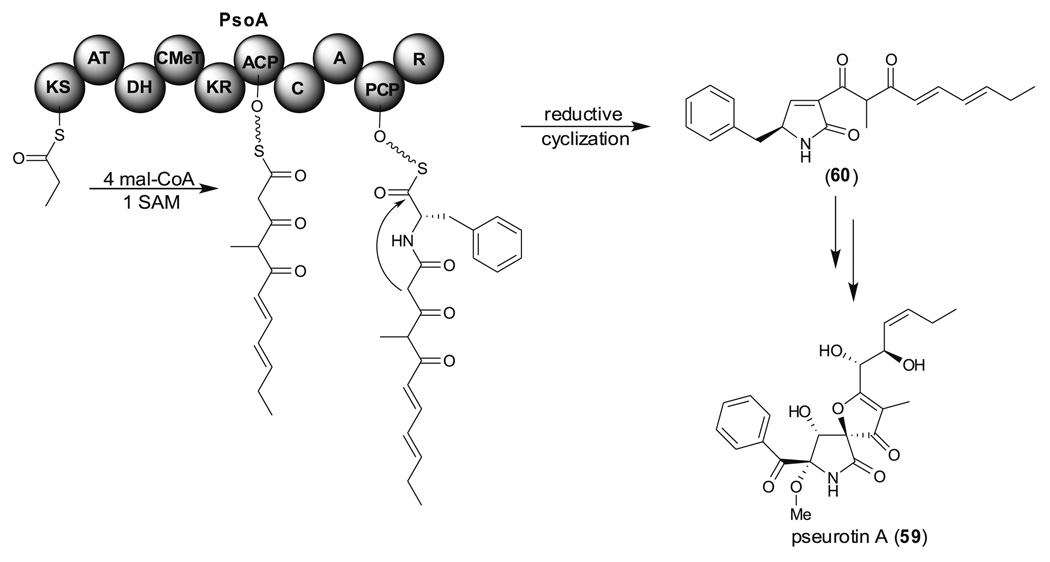
Proposed function of PsoA, a PKS-NRPS containing the reductase (R) releasing domain, involved in pseurotin A (49) biosynthesis Appl Microbiol Biotechnol

References

    1. Abe Y, Suzuki T, Ono C, Iwamoto K, Hosobuchi M, Yoshikawa H. Molecular cloning and characterization of an ML-236B (compactin) biosynthetic gene cluster in Penicillium citrinum. Mol Genet Genomics. 2002;267:636–646. - PubMed
    1. Austin MB, Noel JP. The chalcone synthase superfamily of type III polyketide synthases. Nat Prod Rep. 2003;20:79–110. - PubMed
    1. Awakawa T, Yokota K, Funa N, Doi F, Mori N, Watanabe H, Horinouchi S. Physically discrete beta-lactamase-type thioesterase catalyzes product release in atrochrysone synthesis by iterative type I polyketide synthase. Chem Biol. 2009;16:613–623. - PubMed
    1. Bacha N, Atoui A, Mathieu F, Liboz T, Lebrihi A. Aspergillus westerdijkiae polyketide synthase gene “aoks1” is involved in the biosynthesis of ochratoxin A. Fungal Genet Biol. 2009a;46:77–84. - PubMed
    1. Bacha N, Dao HP, Atoui A, Mathieu F, O'Callaghan J, Puel O, Liboz T, Dobson AD, Lebrihi A. Cloning and characterization of novel methylsalicylic acid synthase gene involved in the biosynthesis of isoasperlactone and asperlactone in Aspergillus westerdijkiae. Fungal Genet Biol. 2009b;46:742–749. - PubMed

Publication types