


Detection of imminent collisions by drivers with Alzheimer's disease and Parkinson's disease: a preliminary study
- PMID: 20380912
- PMCID: PMC3102017
- DOI: 10.1016/j.aap.2009.07.009
Detection of imminent collisions by drivers with Alzheimer's disease and Parkinson's disease: a preliminary study
Abstract
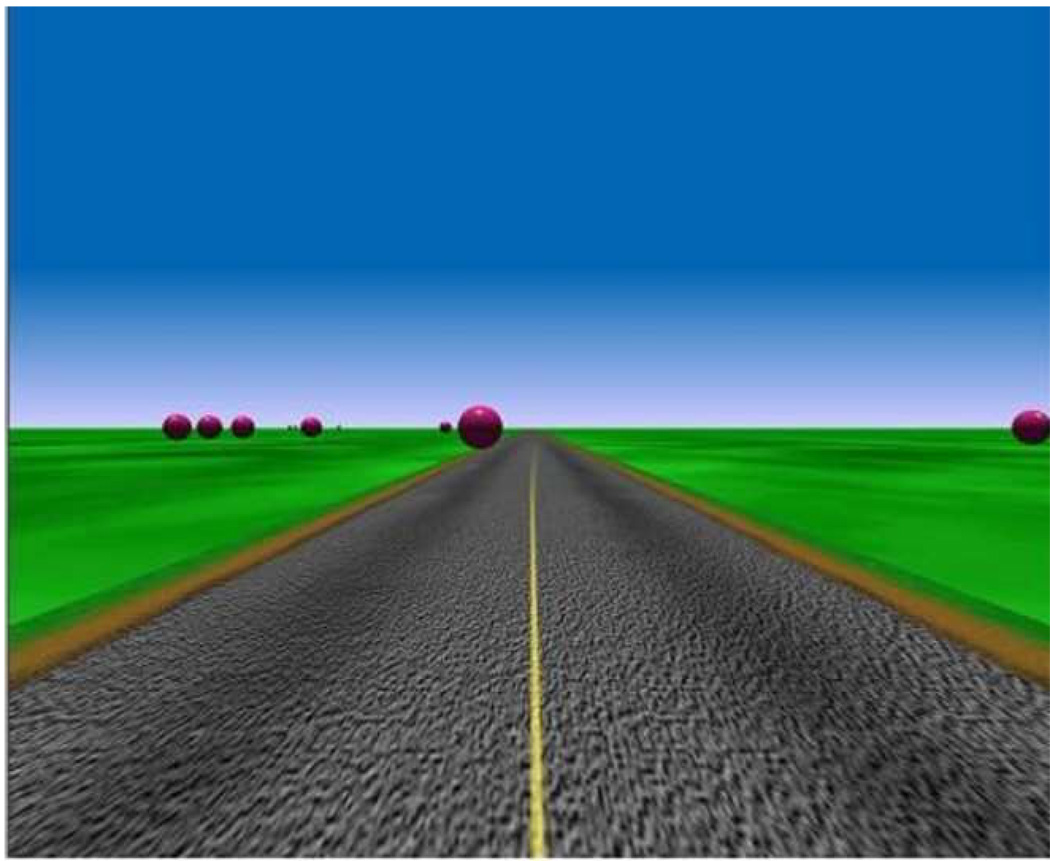
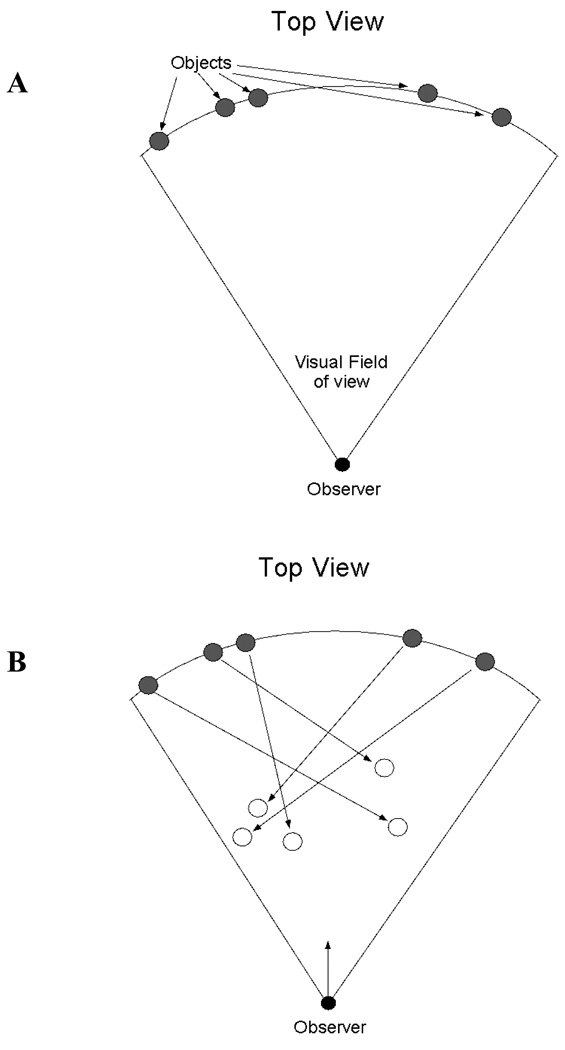
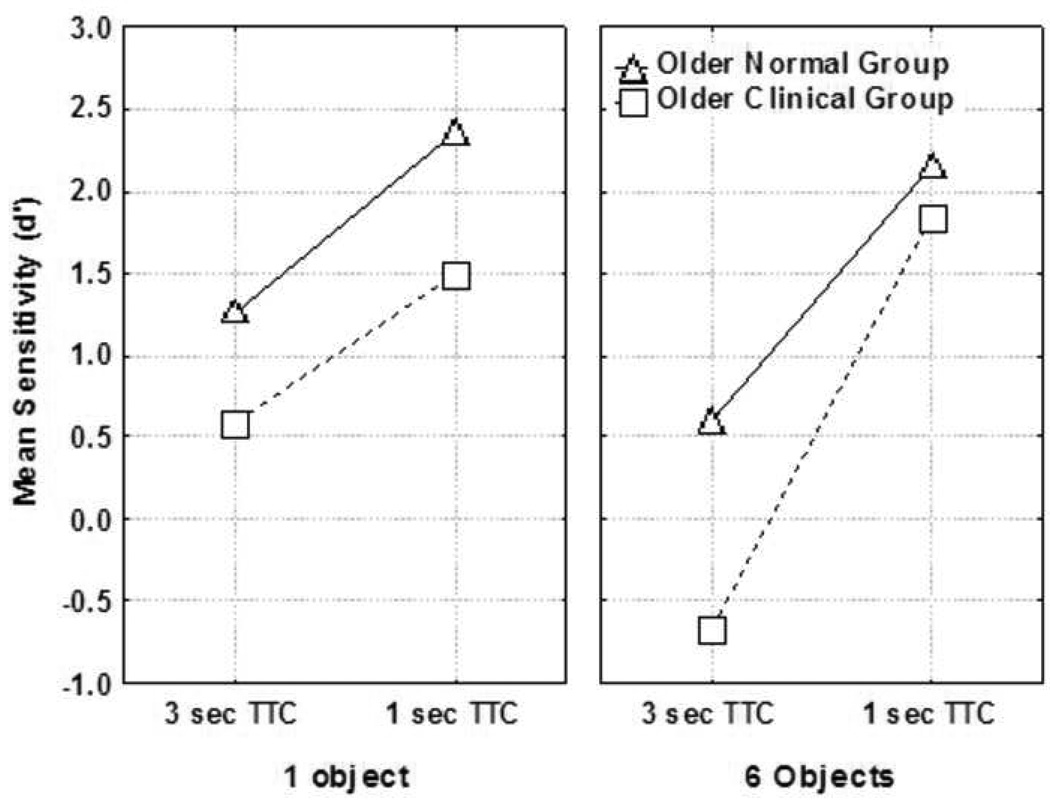
The aim of this study was to assess whether patients with neurodegenerative disease, namely Alzheimer's disease (AD) and Parkinson's disease (PD), differed from age-matched, neurologically normal comparison participants in their ability to detect impending collisions. Six AD patients and 8 PD patients, together comprising the neurodegenerative disease group, and 18 comparison participants completed a collision detection simulation task where they must judge whether approaching objects would collide with them or pass by them. The neurodegenerative disease group was less sensitive in detecting collisions than the comparison group, and sensitivity worsened with increasing number of objects in the display and increasing time to contact of those objects. Poor performance on tests of cognition and visual attention were associated with poor collision detection sensitivity. The results of this study indicate that neurodegenerative disease impairs the ability to accurately detect impending collisions and that these decrements are likely the combined result of visual and cognitive disturbances related to disease status.
Copyright (c) 2009 Elsevier Ltd. All rights reserved.
Figures
References
-
- Alzheimer’s Association. Chicago: Report published by the Alzheimer’s Association; 2008. Alzheimer’s disease facts and figures. - PubMed
-
- Andersen GJ, Atchley P. Age-related differences in the detection of three dimensional surfaces from optic flow. Psychol Aging. 1995;10(4):650–658. - PubMed
-
- Andersen GJ, Cisneros J, Saidpour A, Atchley P. Speed, size and edge rate information for the detection of collision events. Journal of Experimental Psychology: Human Perception and Performance. 1999;25:256–279. - PubMed
-
- Andersen GJ, Cisneros J, Saidpour A, Atchley P. Age-related differences in collision detection during deceleration. Psychol Aging. 2000;15(2):241–252. - PubMed
Publication types
MeSH terms
Grants and funding
LinkOut - more resources
Full Text Sources
Medical
