


Portal osmopressor mechanism linked to transient receptor potential vanilloid 4 and blood pressure control
- PMID: 20385965
- PMCID: PMC2965336
- DOI: 10.1161/HYPERTENSIONAHA.110.151860
Portal osmopressor mechanism linked to transient receptor potential vanilloid 4 and blood pressure control
Abstract
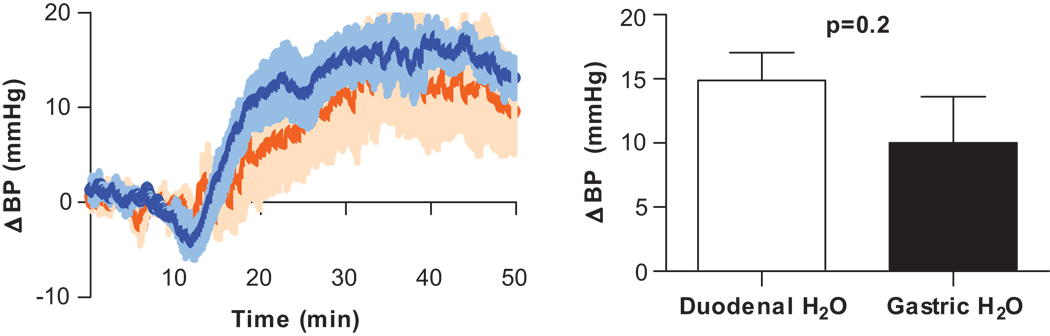
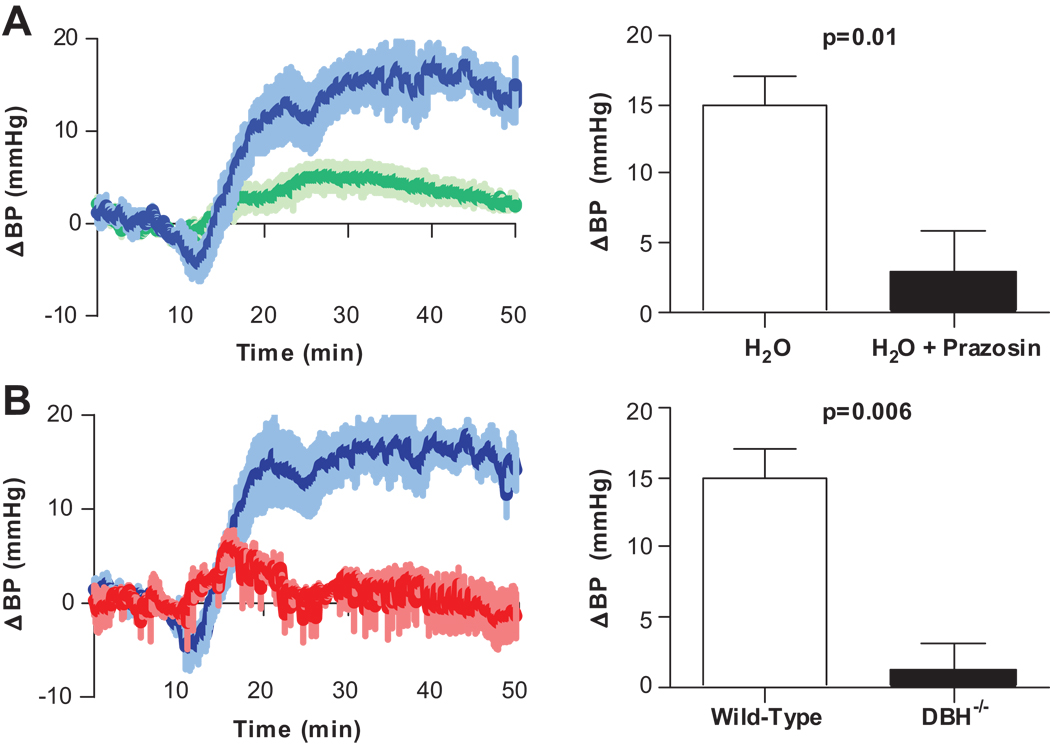
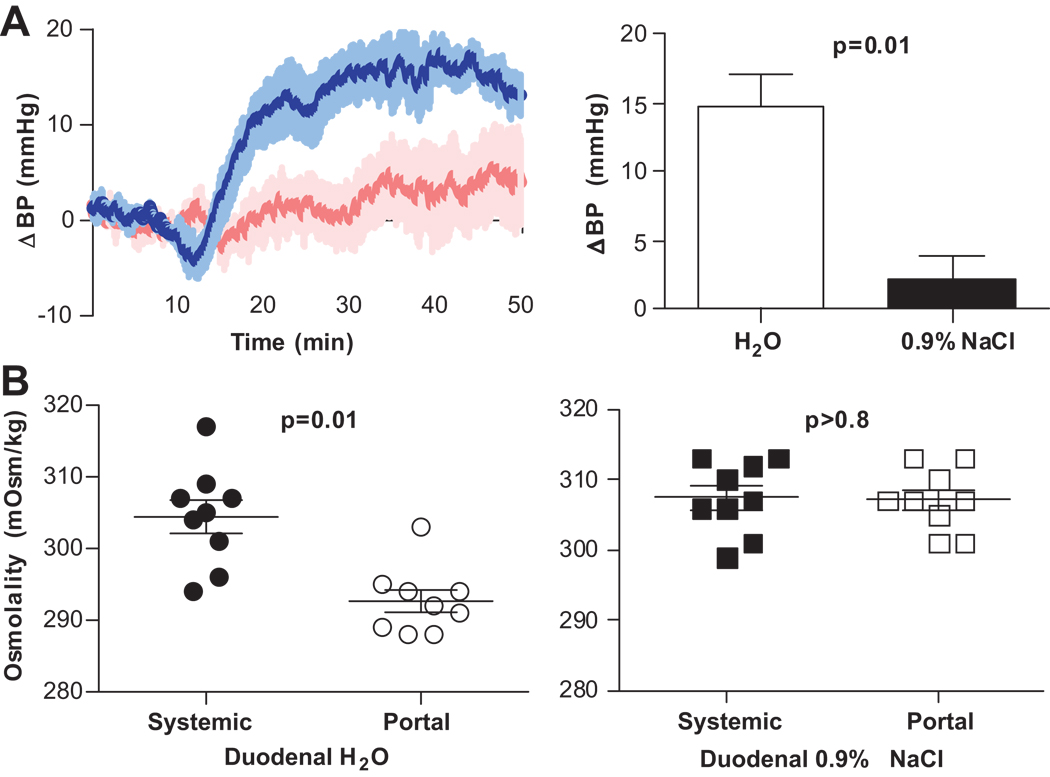
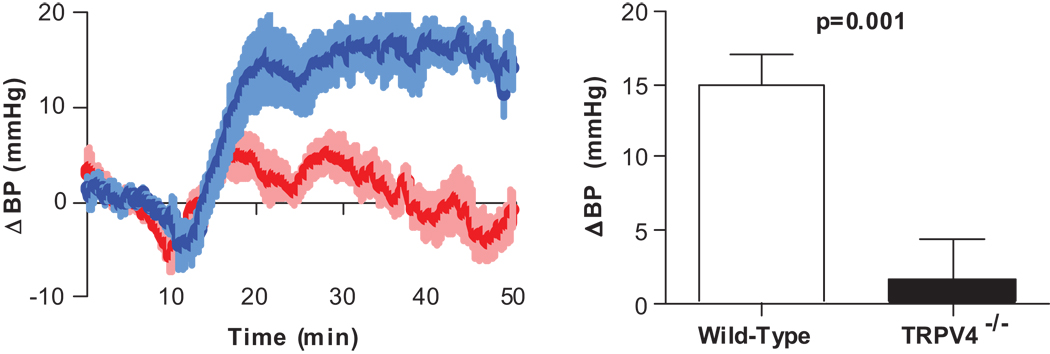
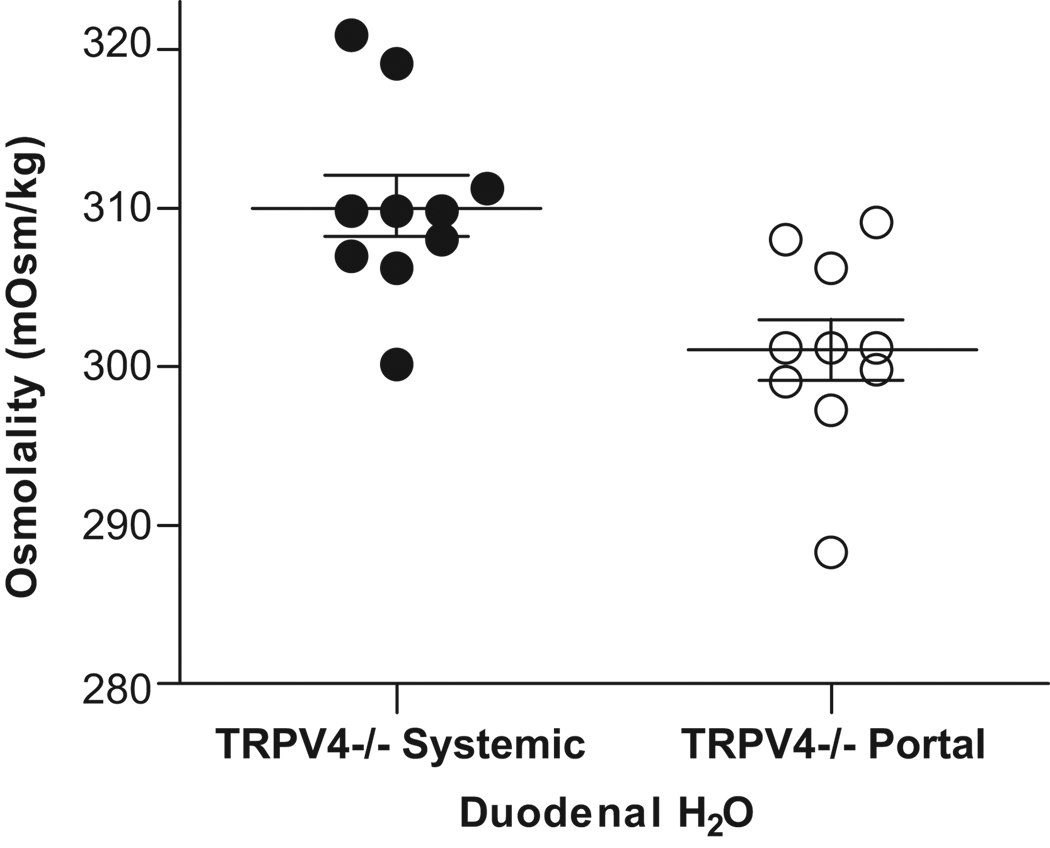
Human subjects with impaired baroreflex function cannot buffer rises or falls in blood pressure (BP), thus allowing BP effects of endogenous or environmental stimuli that previously escaped detection to emerge dramatically. Studies in these patients led us to discover that water ingestion induced a robust increase in BP and vascular resistance. Here, using a mouse model of baroreflex impairment, we show that the increase in blood pressure after water ingestion is mediated through sympathetic nervous system activation and that the osmosensitive transient receptor potential vanilloid 4 channel (Trpv4) is an essential component of the response. Although portal osmolality decreases after water ingestion in both wild-type and Trpv4(-/-) mice, only the wild-type animals show a pressor response. The same volume of physiological saline does not elicit an increase in BP, suggesting osmolality as the stimulus. The osmopressor response to water, and Trpv4 thus represent new factors now implicated in the physiology of BP regulation.
Figures
References
-
- Lu CC, Diedrich A, Tung CS, Paranjape SY, Harris PA, Byrne DW, Jordan J, Robertson D. Water ingestion as prophylaxis against syncope. Circulation. 2003;108:2660–2665. - PubMed
-
- Jordan J, Shannon JR, Black BK, Ali Y, Farley M, Costa F, Diedrich A, Robertson RM, Biaggioni I, Robertson D. The pressor response to water drinking in humans : a sympathetic reflex? Circulation. 2000;101:504–509. - PubMed
-
- Raj SR, Biaggioni I, Black BK, Rali A, Jordan J, Taneja I, Harris PA, Robertson D. Sodium paradoxically reduces the gastropressor response in patients with orthostatic hypotension. Hypertension. 2006;48:329–334. - PubMed
-
- King AJ, Osborn JW, Fink GD. Splanchnic circulation is a critical neural target in angiotensin II salt hypertension in rats. Hypertension. 2007;50:547–556. - PubMed
-
- Moran MM, Xu H, Clapham DE. TRP ion channels in the nervous system. Curr Opin Neurobiol. 2004;14:362–369. - PubMed
Publication types
MeSH terms
Substances
Grants and funding
LinkOut - more resources
Full Text Sources
Other Literature Sources
Medical
Molecular Biology Databases
