


High-resolution cardiovascular function confirms functional orthology of myocardial contractility pathways in zebrafish
- PMID: 20388839
- PMCID: PMC3032279
- DOI: 10.1152/physiolgenomics.00206.2009
High-resolution cardiovascular function confirms functional orthology of myocardial contractility pathways in zebrafish
Abstract
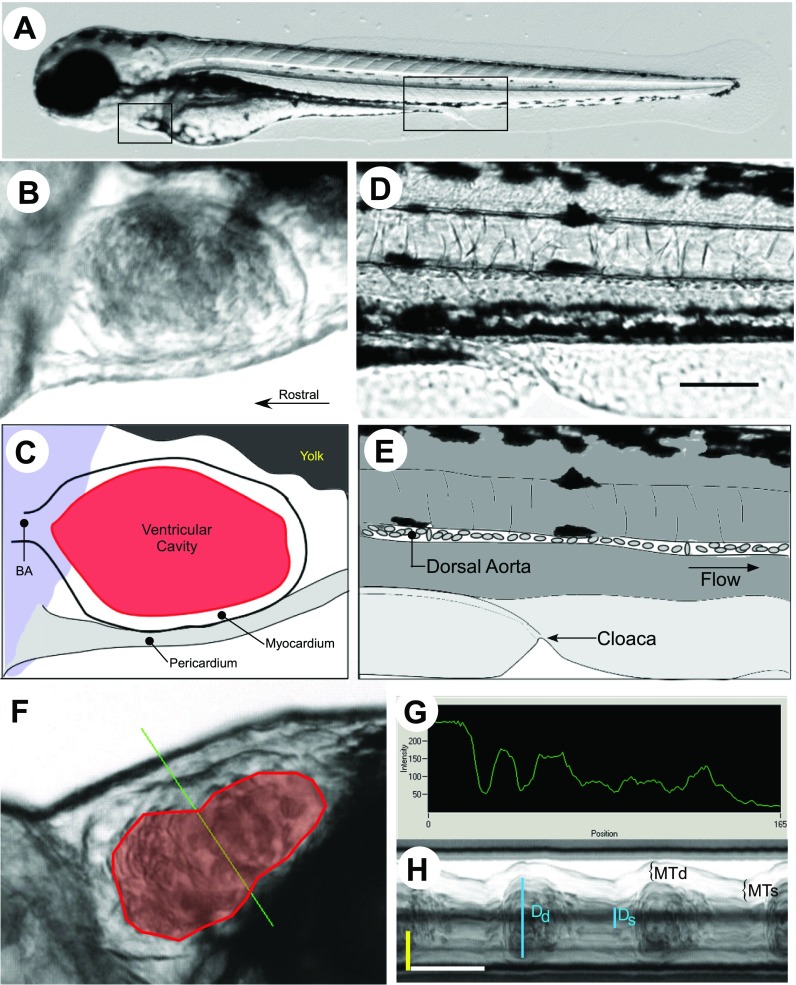
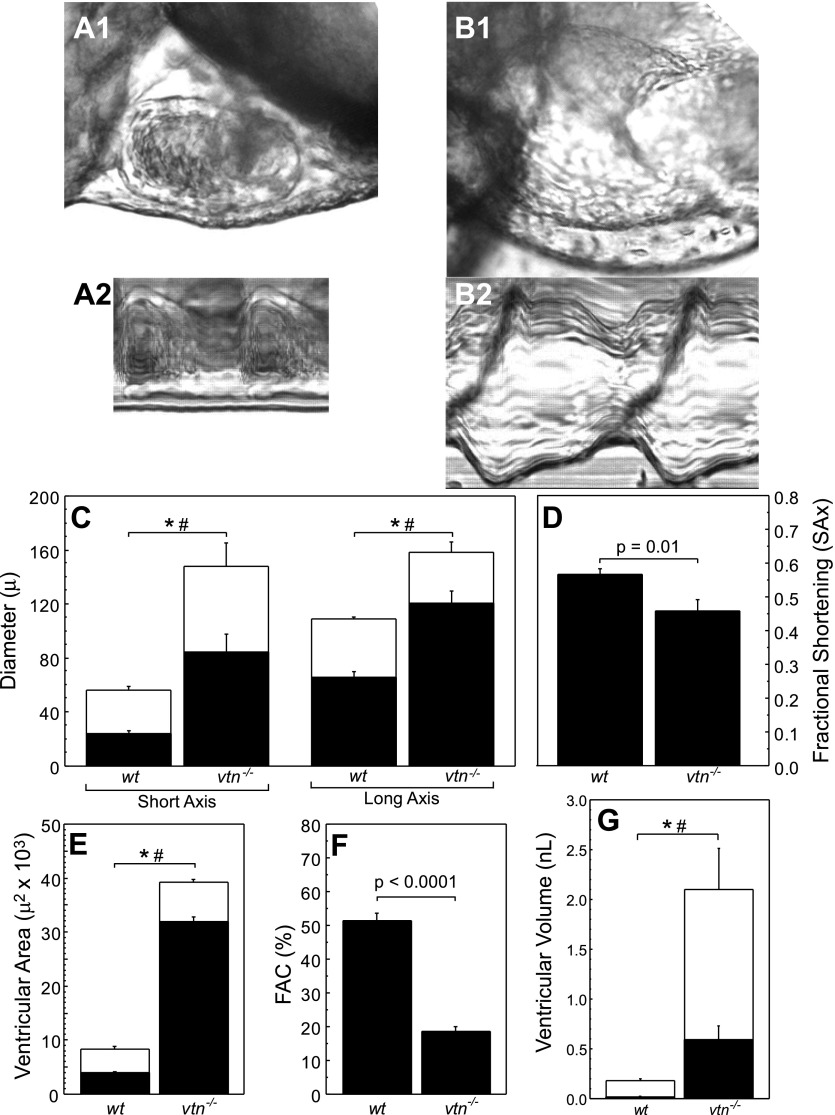
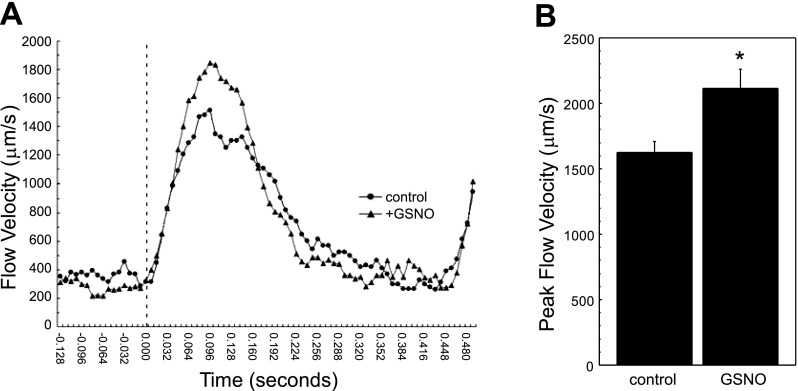
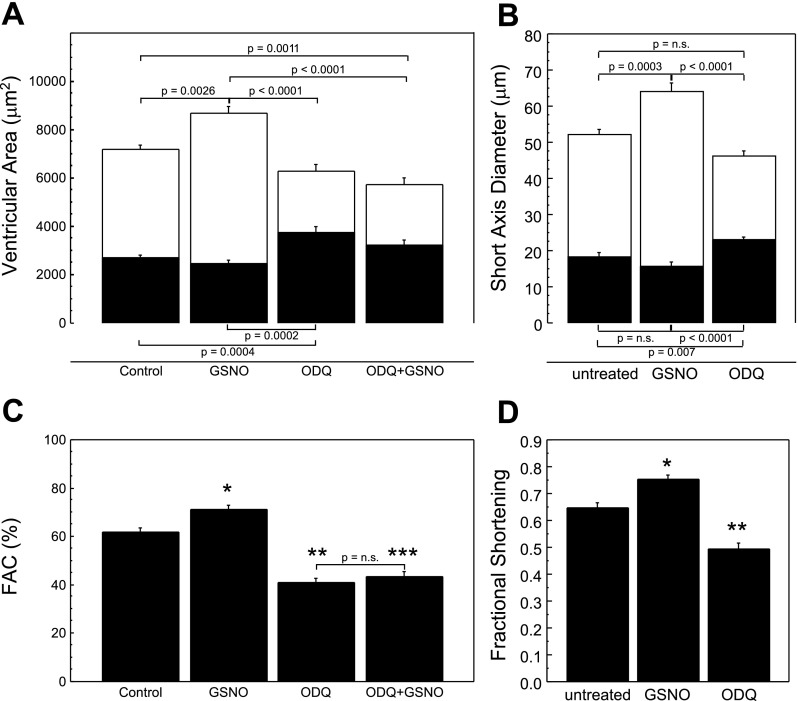
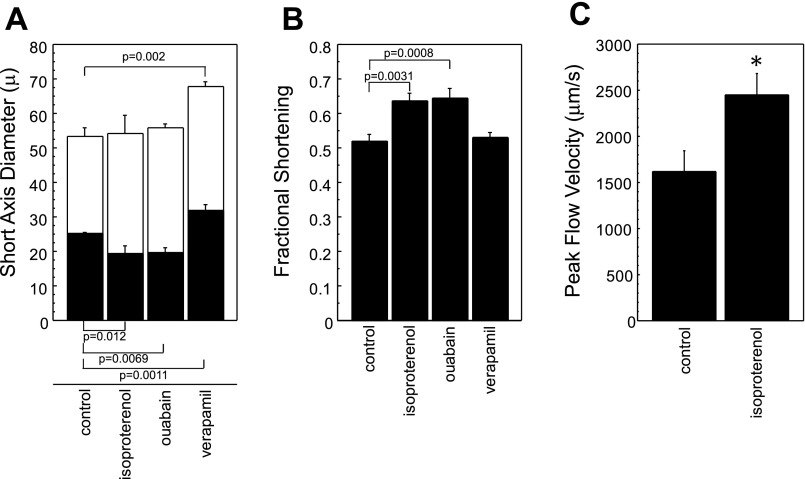
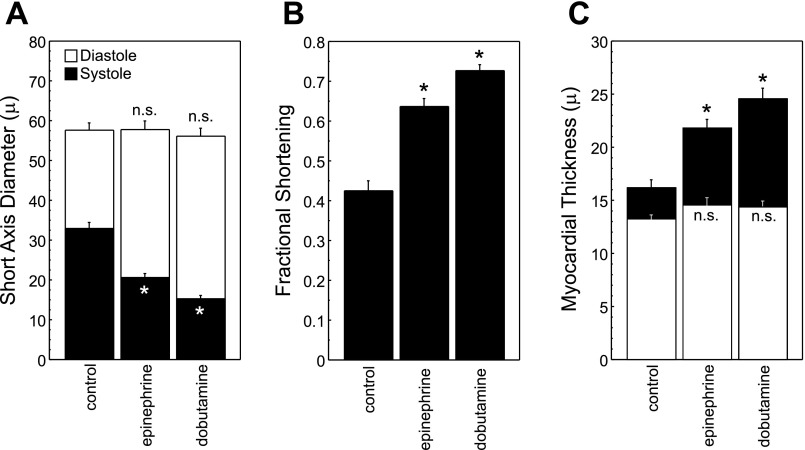
Phenotype-driven screens in larval zebrafish have transformed our understanding of the molecular basis of cardiovascular development. Screens to define the genetic determinants of physiological phenotypes have been slow to materialize as a result of the limited number of validated in vivo assays with relevant dynamic range. To enable rigorous assessment of cardiovascular physiology in living zebrafish embryos, we developed a suite of software tools for the analysis of high-speed video microscopic images and validated these, using established cardiomyopathy models in zebrafish as well as modulation of the nitric oxide (NO) pathway. Quantitative analysis in wild-type fish exposed to NO or in a zebrafish model of dilated cardiomyopathy demonstrated that these tools detect significant differences in ventricular chamber size, ventricular performance, and aortic flow velocity in zebrafish embryos across a large dynamic range. These methods also were able to establish the effects of the classic pharmacological agents isoproterenol, ouabain, and verapamil on cardiovascular physiology in zebrafish embryos. Sequence conservation between zebrafish and mammals of key amino acids in the pharmacological targets of these agents correlated with the functional orthology of the physiological response. These data provide evidence that the quantitative evaluation of subtle physiological differences in zebrafish can be accomplished at a resolution and with a dynamic range comparable to those achieved in mammals and provides a mechanism for genetic and small-molecule dissection of functional pathways in this model organism.
Figures
References
-
- Ahmed M, Ishiguro M, Nagatomo T. Molecular modeling of SWR-0342SA, a beta3-selective agonist, with beta1- and beta3-adrenoceptor. Life Sci 78: 2019–2023, 2006. - PubMed
-
- Arrighi JA, Dilsizian V, Perrone-Filardi P, Diodati JG, Bacharach SL, Bonow RO. Improvement of the age-related impairment in left ventricular diastolic filling with verapamil in the normal human heart. Circulation 90: 213–219, 1994. - PubMed
-
- Bagatto B, Burggren W. A three-dimensional functional assessment of heart and vessel development in the larva of the zebrafish (Danio rerio). Physiol Biochem Zool 79: 194–201, 2006. - PubMed
-
- Behr B, Hoffmann C, Ottolina G, Klotz KN. Novel mutants of the human beta1-adrenergic receptor reveal amino acids relevant for receptor activation. J Biol Chem 281: 18120–18125, 2006. - PubMed
Publication types
MeSH terms
Grants and funding
LinkOut - more resources
Full Text Sources
Molecular Biology Databases
