


The pain imaging revolution: advancing pain into the 21st century
- PMID: 20400714
- PMCID: PMC3370428
- DOI: 10.1177/1073858409349902
The pain imaging revolution: advancing pain into the 21st century
Abstract
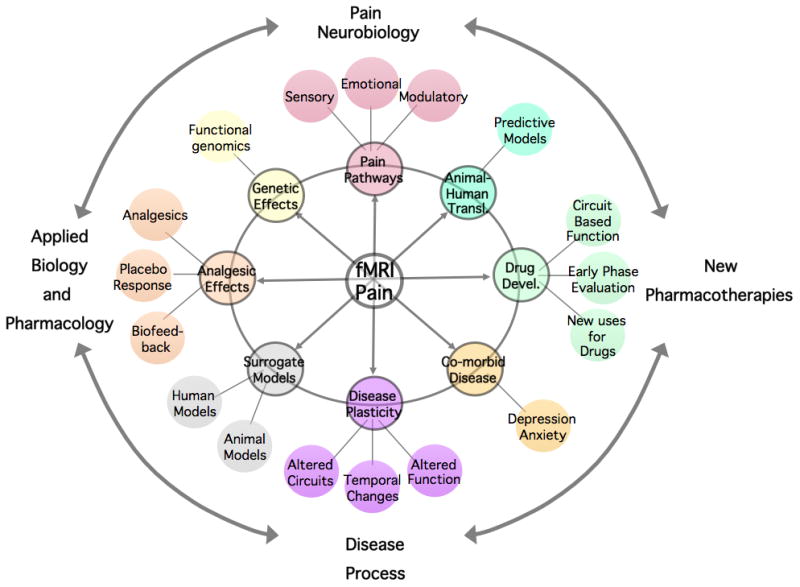
The great advances in brain imaging techniques over the last few decades have determined a shift in our understanding of chronic pain conditions and opened the door for new opportunities to develop better diagnoses and perhaps better drug treatments. Neuroimaging has helped shape the concept of chronic pain from a disease affecting mainly the somatosensory system, to a condition in which emotional, cognitive, and modulatory areas of the brain are affected, in addition to degenerative processes. All these contribute to the development and maintenance of pain symptoms and comorbid features, including alterations in anxiety, depression, and cognitive processes. In this article the authors review the current understanding of the brain changes in chronic pain and the developments made possible by the use of various brain imaging techniques. They also discuss the possible applications of brain imaging to developing a "pain phenotype" that could aid in diagnostic and treatment choices of chronic pain conditions.
Figures
References
-
- Apkarian AV, Bushnell MC, Treede RD, Zubieta JK. Human brain mechanisms of pain perception and regulation in health and disease. Eur J Pain. 2005;9(4):463–84. - PubMed
-
- Apkarian AV, Krauss BR, Fredrickson BE, Szeverenyi NM. Imaging the pain of low back pain: functional magnetic resonance imaging in combination with monitoring subjective pain perception allows the study of clinical pain states. Neurosci Lett. 2001;299(1–2):57–60. - PubMed
Publication types
MeSH terms
Grants and funding
LinkOut - more resources
Full Text Sources
Medical
