


A multisite randomized trial of a motivational intervention targeting multiple risks in youth living with HIV: initial effects on motivation, self-efficacy, and depression
- PMID: 20413077
- PMCID: PMC2859210
- DOI: 10.1016/j.jadohealth.2009.11.198
A multisite randomized trial of a motivational intervention targeting multiple risks in youth living with HIV: initial effects on motivation, self-efficacy, and depression
Abstract
Purpose: Interventions targeting multiple risk behaviors are needed for youth living with HIV (YLH). A randomized clinical trial compared Healthy Choices, a four session motivational intervention targeting two of the three risk behaviors (HIV medication adherence, sexual risk behavior and substance use) to multidisciplinary specialty care alone. This article presents intermediary outcomes available at 3-month follow-up, variables proposed to be precursors to behavior change (motivation, self-efficacy, and depression).
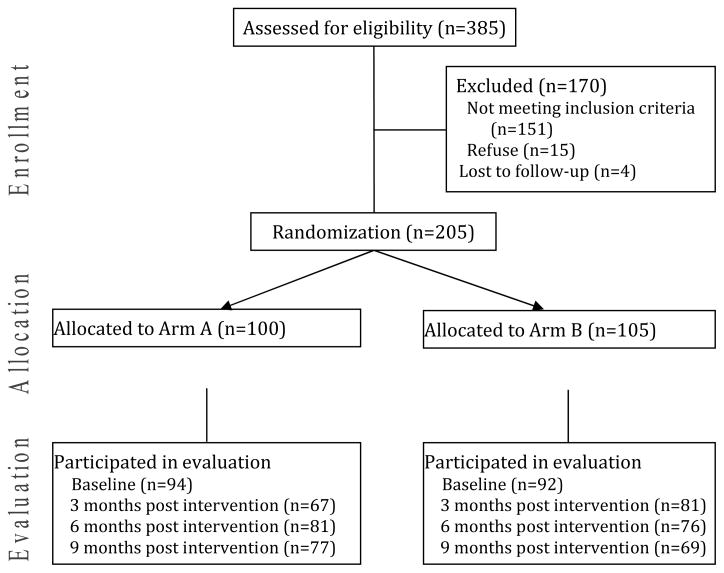
Methods: YLH (N=186) with at least one of the three problem behaviors were recruited from four sites in the Adolescent Trials Network and one non-Adolescent Trials Network site, and were assessed at baseline and 3 months.
Results: Of the 94 youth randomly assigned to the treatment condition, 84% received at least one session, 67% received at least two sessions, 56% received at least three sessions, and 49% completed all four sessions. In intent-to-treat analysis, only depression was significantly improved in the treatment group as compared with controls. However, in per-protocol analysis, youth receiving at least two sessions of the intervention also showed significant improvements in motivational readiness to change as compared with youth in the control condition.
Conclusion: Results suggest the potential benefits of clinic-based motivational interventions for YLH who access these interventions. Delivering interventions in the community using an outreach model may improve access. Analysis of subsequent time points will determine effects on actual behavior change.
Copyright 2010 Society for Adolescent Medicine. Published by Elsevier Inc. All rights reserved.
Figures
References
-
- Murphy DA, Durako SJ, Moscicki AB, et al. No Change in health risk behaviors over time among HIV infected adolescents in care: role of psychological distress. J Adolesc Health. 2001;29(3 Suppl):57–63. - PubMed
-
- Naar-King S, Wright K, Parsons JT, Frey M, Templin T, Ondersma S. Transtheoretical model and condom use in HIV-positive youths. Health Psychol. 2006b;25(5):648–652. - PubMed
-
- Naar-King S, Wright K, Parsons JT, Frey M, Templin T, Ondersma S. Transtheoretical model and substance use in HIV-positive youth. AIDS Care. 2006c;18(7):839–845. - PubMed
-
- Murphy DA, Wilson CM, Durako SJ, Muenz LR, Belzer M, Network HAR. Antiretroviral medication adherence among REACH HIV-infected adolescent cohort in the USA. AIDS Care. 2001;13:27–40. - PubMed
Publication types
MeSH terms
Grants and funding
LinkOut - more resources
Full Text Sources
Medical
