


When smoke gets in your lungs
- PMID: 20427578
- PMCID: PMC3266023
- DOI: 10.1513/pats.200907-081RM
When smoke gets in your lungs
Abstract
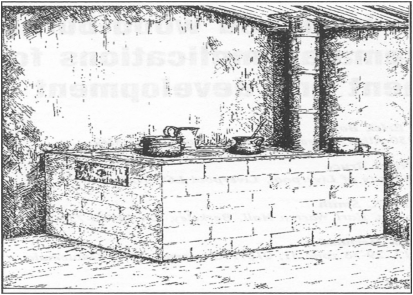
A major source of air pollution exposure in the developing world is smoke due to inefficient cooking with biomass fuels in poorly ventilated homes. Biomass fuel refers to any recently living plant- and/or animal-based material that is deliberately burned by humans as fuel, including wood, crop residues, and animal dung. The levels of exposure to particulate matter in such homes are often at least an order of magnitude higher than the highest concentrations that occur in the ambient air of the developed world. Because roughly half the world's population cooks daily with unprocessed biomass fuel, the potential public health impact is huge. The World Health Organization has estimated that indoor air pollution from solid fuel use is responsible for 2.6% of the total global burden of disease and between 1.5 and 2 million deaths each year, primarily due to acute lower respiratory infection in young children and chronic obstructive pulmonary disease in adult women. Major limitations of the existing epidemiologic literature include lack of actual exposure measurements, lack of longitudinal studies, inadequate exposure-response information, and few intervention studies. Ongoing research in Guatemala is attempting to address these data gaps.
Figures
References
-
- Smith K. Biofuels, air pollution, and health: a global review. New York, NY: Plenum; 1987.
-
- Smith K. Fuel combustion, air pollution exposure, and health: the situation in developing countries. Annu Rev Environ Energy 1993;18:529–566.
-
- Reddy AKN, Williams RH, Johansson TB. Energy after Rio: prospects and challenges. New York, NY: United Nations Development Programme, 1997.
-
- World Health Organization. Health and environment in sustainable development. Geneva: World Health Organization; 1997.
-
- Smith KR, Aggarwal AL, Dave RM. Air pollution and rural biomass fuels in developing countries: a pilot village study in India and implications for research and policy. Atmos Environ 1983;17:2343–2362.
Publication types
MeSH terms
Substances
Grants and funding
LinkOut - more resources
Full Text Sources
Medical