


Ex vivo biomechanical, functional, and immunohistochemical alterations of adrenergic responses in the female urethra in a rat model of birth trauma
- PMID: 20444739
- PMCID: PMC2928526
- DOI: 10.1152/ajprenal.00299.2009
Ex vivo biomechanical, functional, and immunohistochemical alterations of adrenergic responses in the female urethra in a rat model of birth trauma
Abstract
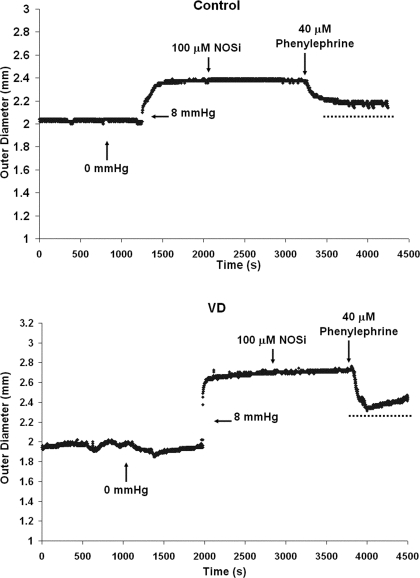
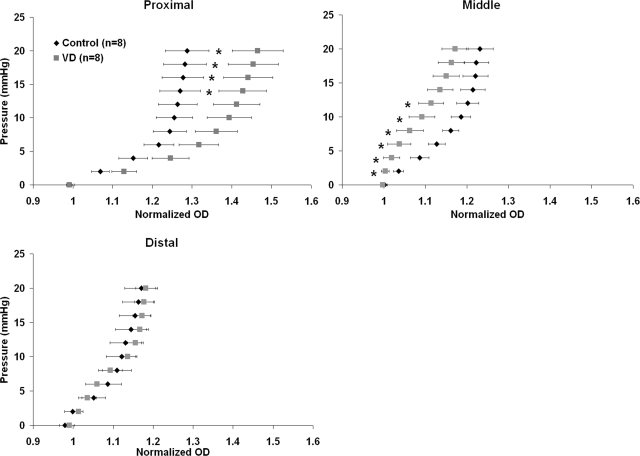
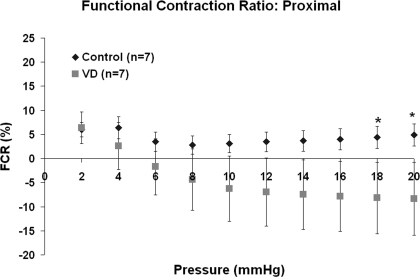
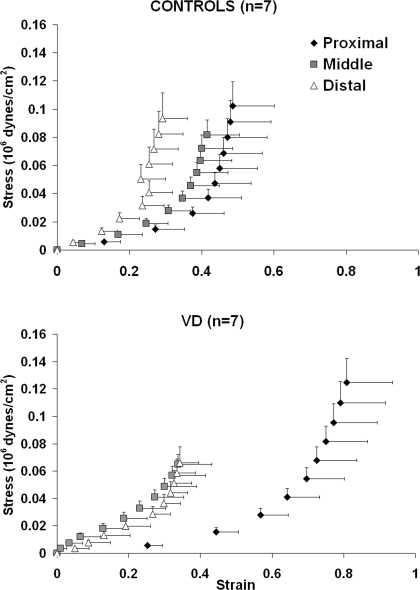
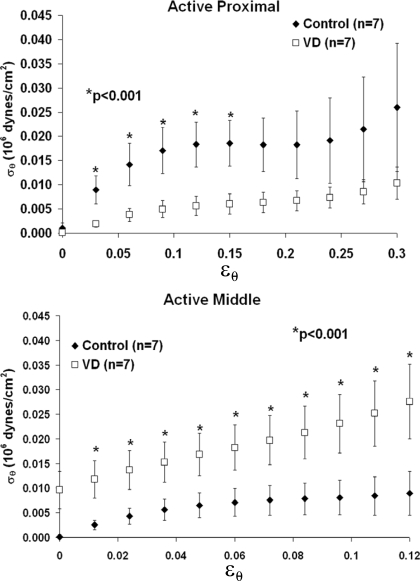
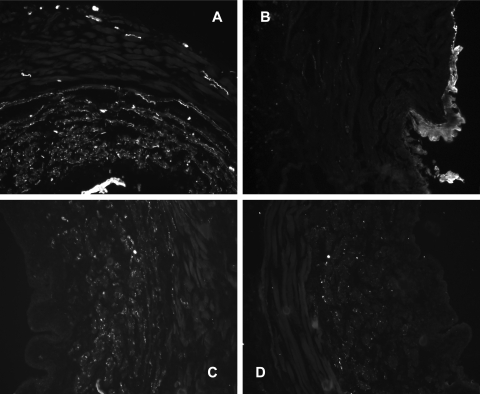
Birth trauma and pelvic injury have been implicated in the etiology of stress urinary incontinence (SUI). This study aimed to assess changes in the biomechanical properties and adrenergic-evoked contractile responses of the rat urethra after simulated birth trauma induced by vaginal distension (VD). Urethras were isolated 4 days after VD and evaluated in our established ex vivo urethral testing system that utilized a laser micrometer to measure the urethral outer diameter at proximal, middle, and distal positions. Segments were precontracted with phenylephrine (PE) and then exposed to intralumenal static pressures ranging from 0 to 20 mmHg to measure urethral compliance. After active assessment, the urethra was rendered passive with EDTA and assessed. Pressure and diameter measurements were recorded via computer. Urethral thickness was measured histologically to calculate circumferential stress-strain response and functional contraction ratio (FCR), a measure of smooth muscle activity. VD proximal urethras exhibited a significantly increased response to PE compared with that in controls. Conversely, proximal VD urethras had significantly decreased circumferential stress and FCR values in the presence of PE, suggesting that VD reduced the ability of the proximal segment to maintain smooth muscle tone at higher pressures and strains. Circumferential stress values for VD middle urethral segments were significantly higher than control values. Histological analyses using antibodies against general (protein gene product 9.5) and sympathetic (tyrosine hydroxylase) nerve markers showed a significant reduction in nerve density in VD proximal and middle urethral segments. These results strongly suggest that VD damages adrenergic nerves and alters adrenergic responses of proximal and middle urethral smooth muscle. Defects in urethral storage mechanisms, involving changes in adrenergic regulation, may contribute to stress urinary incontinence induced by simulated birth trauma.
Figures
References
-
- Anders K. Recent developments in stress urinary incontinence in women. Nurs Stand 20: 48–54, 2006 - PubMed
-
- Bagot K, Chess-Williams R. Alpha(1A/L)-adrenoceptors mediate contraction of the circular smooth muscle of the pig urethra. Auton Autacoid Pharmacol 26: 345–353, 2006 - PubMed
-
- Balsiger BM, He CL, Zyromski NJ, Sarr MG. Neuronal adrenergic and muscular cholinergic contractile hypersensitivity in canine jejunum after extrinsic denervation. J Gastrointest Surg 7: 572–582, 2003 - PubMed
-
- Cannon TW, Wojcik EM, Ferguson CL, Saraga S, Thomas C, Damaser MS. Effects of vaginal distension on urethral anatomy and function. BJU Int 90: 403–407, 2002 - PubMed
-
- Damaser MS, Broxton-King C, Ferguson C, Kim FJ, Kerns JM. Functional and neuroanatomical effects of vaginal distention and pudendal nerve crush in the female rat. J Urol 170: 1027–1031, 2003 - PubMed
Publication types
MeSH terms
Substances
Grants and funding
LinkOut - more resources
Full Text Sources
Medical
