Protein kinase A is a target for aging and the aging heart
- PMID: 20448293
- PMCID: PMC2881512
- DOI: 10.18632/aging.100138
Protein kinase A is a target for aging and the aging heart
Abstract
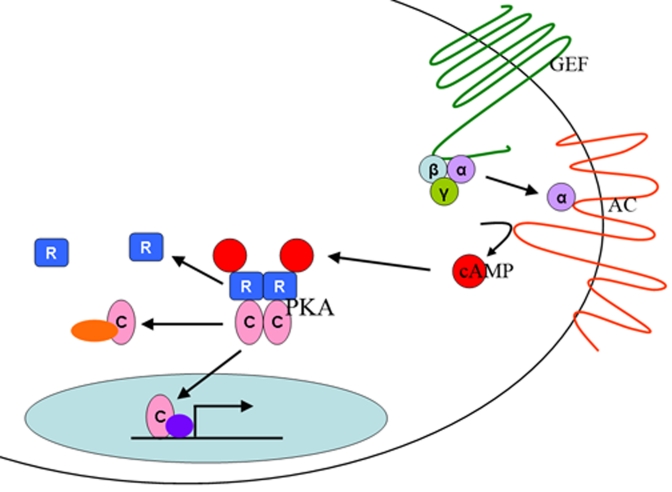
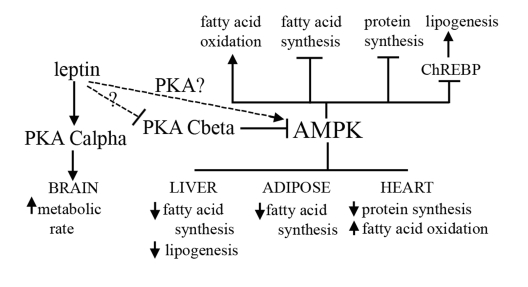
PKA is an important mediator of signal transduction downstream of G-protein-coupled receptors and plays a key role in the regulation of metabolism and triglyceride storage. It is a ubiquitous cellular kinase that phosphorylates serine and threonine residues in response to cAMP. PKA consists of two regulatory subunits, RI and RII, that are activated by cAMP to release two catalytic subunits, Calpha and Cbeta. We have shown that C57/BL6J male mice lacking the regulatory RIIbeta subunit have extended lifespan and are resistant to age-related conditions including cardiac decline. In addition to being protected from diet-induced pathologies, PKA Cbeta null mutant mice are protected from age-related problems such as weight gain and enlarged livers, as well as cardiac dysfunction and hypertrophy. Several possible mechanisms for the age sparing effects of PKA inhibition are discussed including A kinase anchoring protein signaling, alterations in the beta-adrenergic pathway, and activation of AMPK. Since PKA is a major metabolic regulator of gene signaling, the human gene homologs are potential pharmacological targets for age-related conditions including heart disease associated with declining cardiac performance.
Conflict of interest statement
The authors of this manuscript have no conflict of interests to declare.
Figures
References
-
- Niswender CM, Ishihara RW, Judge LM, Zhang C, Shokat KM, McKnight GS. Protein engineering of protein kinase A catalytic subunits results in the acquisition of novel inhibitor sensitivity. J Biol Chem. 2002;277:28916–28922. - PubMed
-
- McKnight GS. Differential expression of mRNAs for protein kinase inhibitor isoforms in mouse brain. Curr Opin Cell Biol. 1991;3:213–217.
-
- Brandon EP, Idzerda RL, McKnight GS. PKA isoforms, neural pathways, and behaviour: making the connection. Curr Opin Neurobiol. 1997;7:397–403. - PubMed
MeSH terms
Substances
LinkOut - more resources
Full Text Sources
Medical