


The informatics core of the Alzheimer's Disease Neuroimaging Initiative
- PMID: 20451873
- PMCID: PMC2927123
- DOI: 10.1016/j.jalz.2010.03.001
The informatics core of the Alzheimer's Disease Neuroimaging Initiative
Abstract
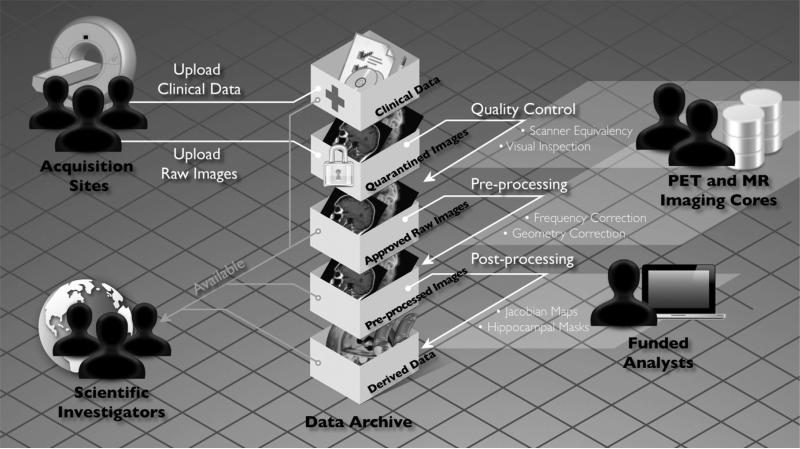
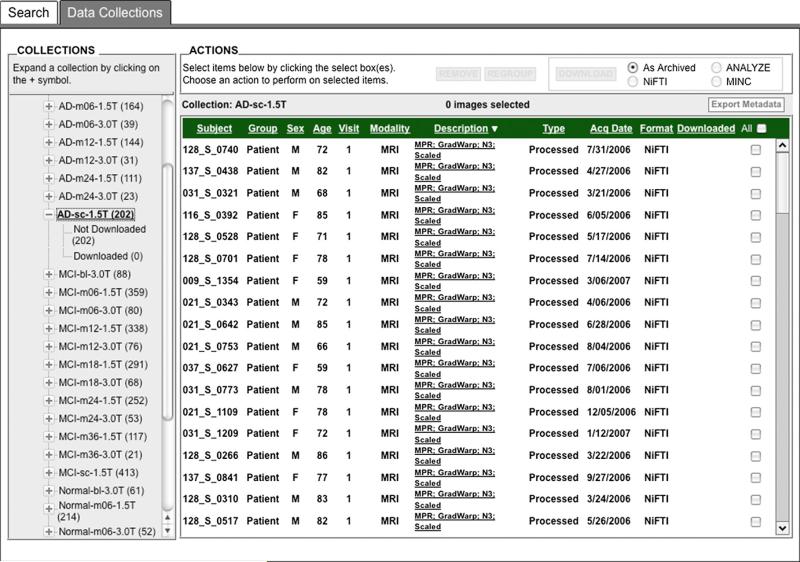
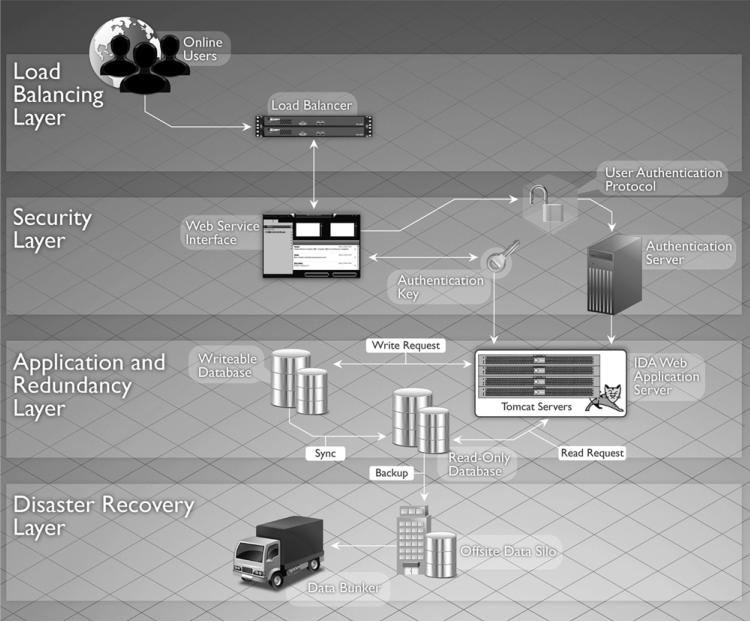
The Alzheimer's Diseases Neuroimaging Initiative project has brought together geographically distributed investigators, each collecting data on the progression of Alzheimer's disease. The quantity and diversity of the imaging, clinical, cognitive, biochemical, and genetic data acquired and generated throughout the study necessitated sophisticated informatics systems to organize, manage, and disseminate data and results. We describe, here, a successful and comprehensive system that provides powerful mechanisms for processing, integrating, and disseminating these data not only to support the research needs of the investigators who make up the Alzheimer's Diseases Neuroimaging Initiative cores, but also to provide widespread data access to the greater scientific community for the study of Alzheimer's Disease.
Copyright 2010 The Alzheimer
Figures

References
-
- Toga AW, Thompson PM. Genetics of brain structure and intelligence. Annu Rev Neurosci. 2005;28:1–23. - PubMed
-
- Toga AW, Mazziotta JC. Brain Mapping: The Methods. 2nd ed. Academic Press; San Diego, CA: 2002.
-
- Mazziotta JC, Toga AW, Frackowiak RSJ. Brain Mapping: The Disorders. Academic Press; San Diego, CA: 2000.
-
- Toga AW, Mazziotta JC. Brain Mapping: The Systems. Academic Press; San Diego, CA: 2000.
-
- Olson GM, Zimmerman A, Bos N. Introduction. In: Olson GM, Zimmerman A, Bos N, editors. Scientific Collaboration on the Internet. MIT Press; Cambridge, MA: 2008. pp. 1–12.
Publication types
MeSH terms
Grants and funding
LinkOut - more resources
Full Text Sources
Medical
