


Response to familiar faces, newly familiar faces, and novel faces as assessed by ERPs is intact in adults with autism spectrum disorders
- PMID: 20452382
- PMCID: PMC2902604
- DOI: 10.1016/j.ijpsycho.2010.04.011
Response to familiar faces, newly familiar faces, and novel faces as assessed by ERPs is intact in adults with autism spectrum disorders
Abstract
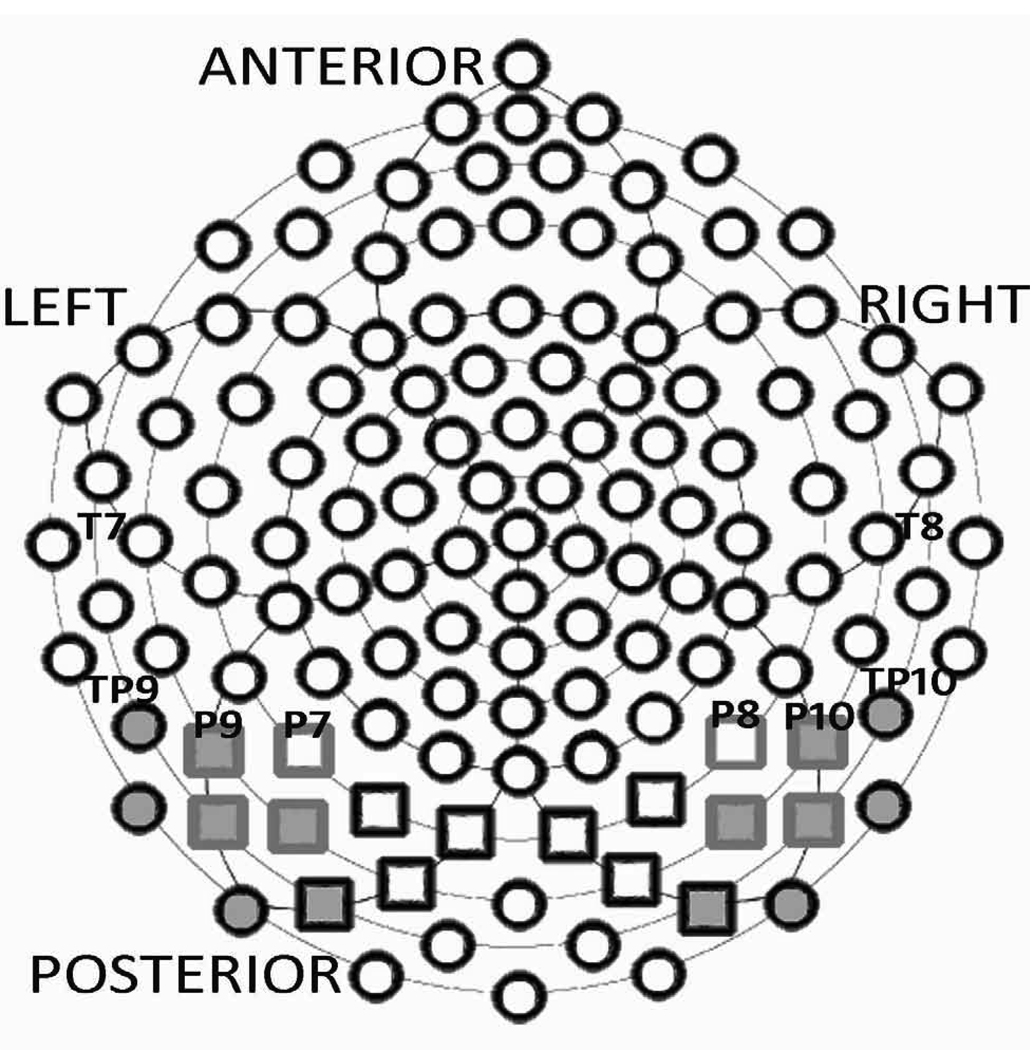
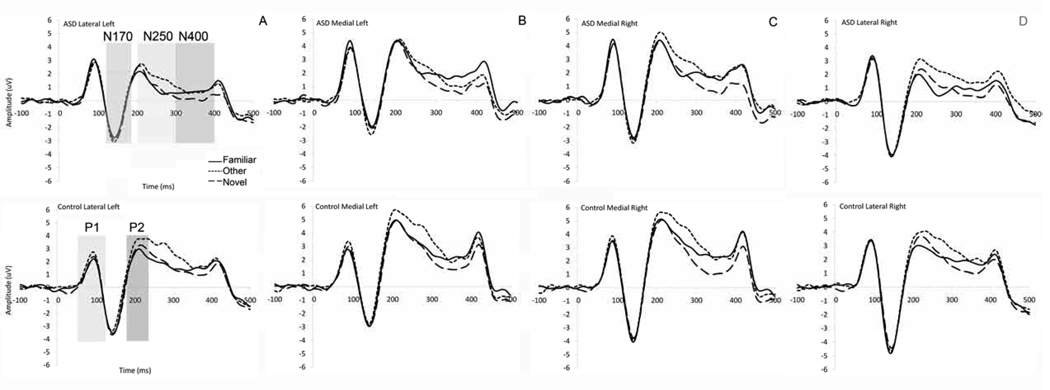
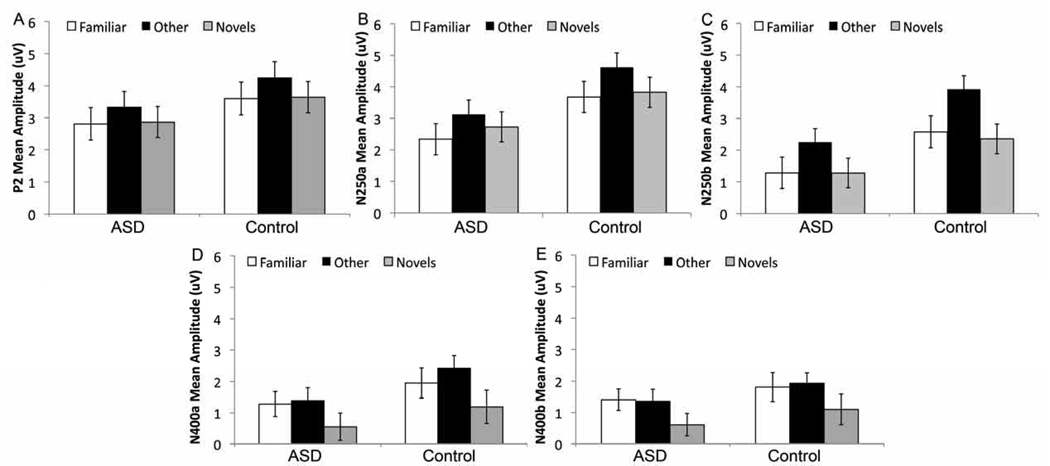
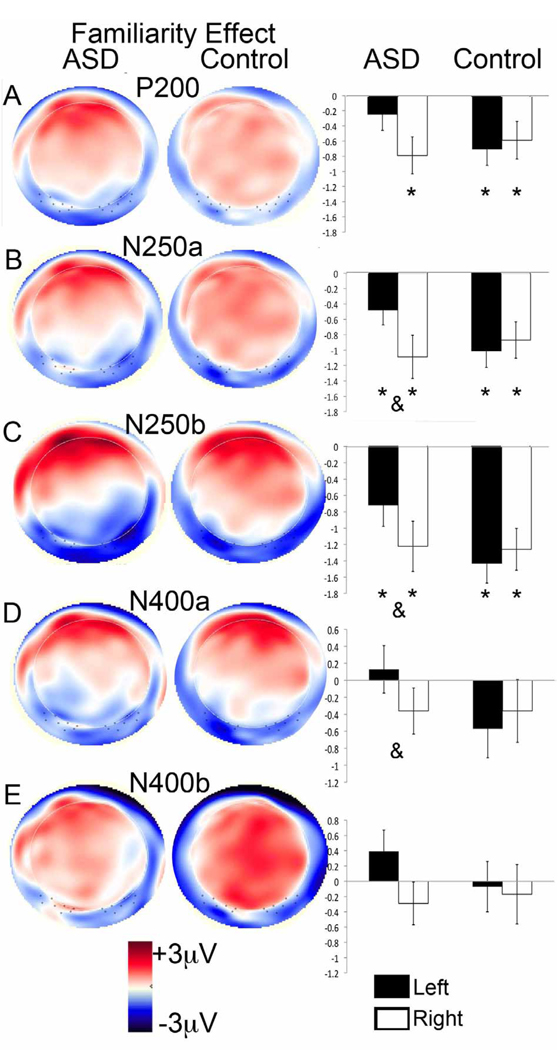
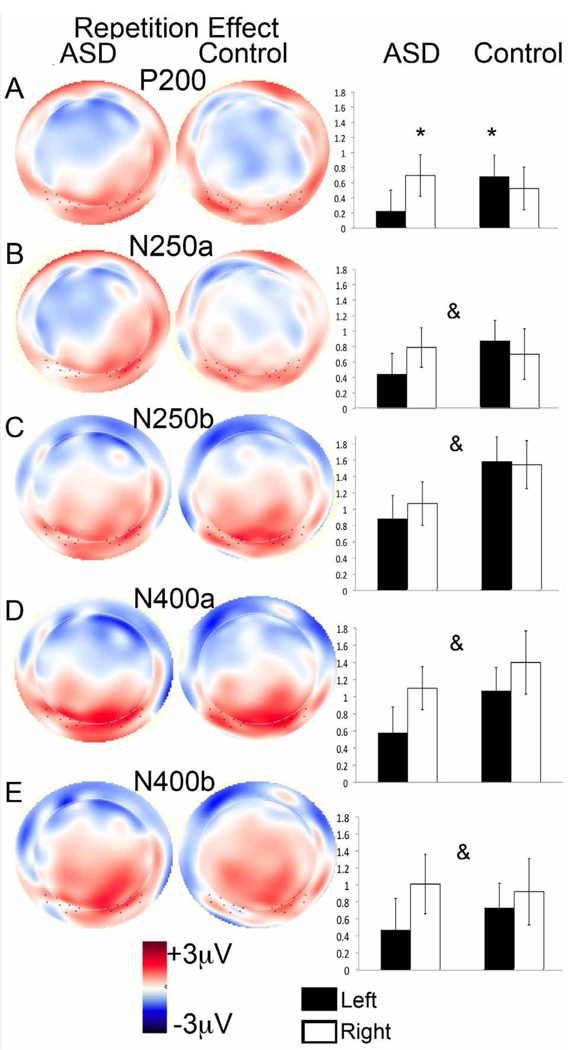
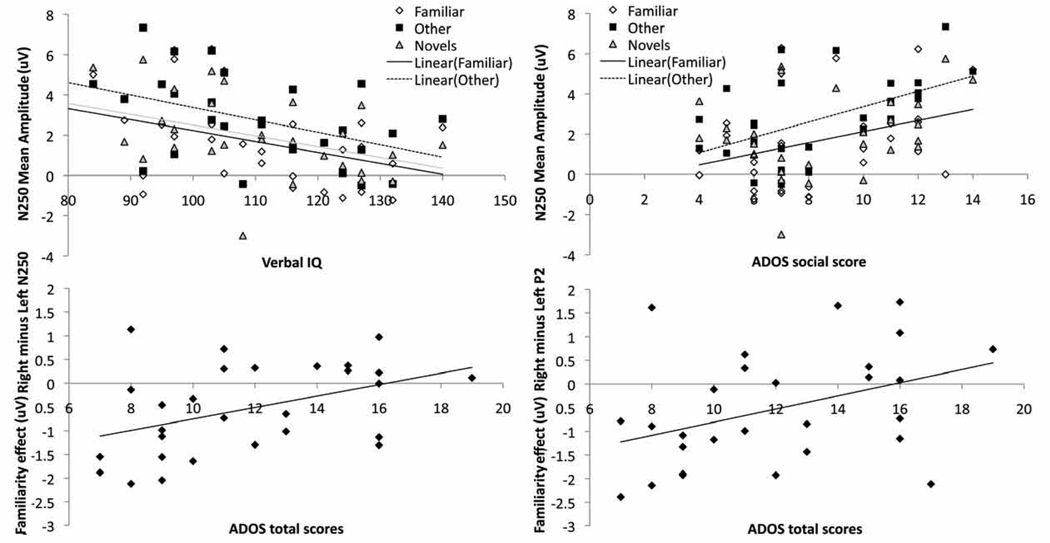
Individuals with autism spectrum disorders (ASD) have pervasive impairments in social functioning, which may include problems with processing and remembering faces. In this study, we examined whether posterior ERP components associated with identity processing (P2, N250 and face-N400) and components associated with early-stage face processing (P1 and N170) are atypical in ASD. We collected ERP responses to a familiar repeated face (Familiar), an unfamiliar repeated face (Other) and novel faces (Novels) in 29 high-functioning adults with ASD and matched controls. For both groups, the P2 and N250 were sensitive to repetition (Other vs. Novels) and personal familiarity (Familiar vs. Other), and the face-N400 was sensitive to repetition. Adults with ASD did not show significantly atypical processing of facial familiarity and repetition in an ERP paradigm, despite showing significantly poorer performance than controls on a behavioral test of face memory. This study found no evidence that early-stage facial identity processing is a primary contributor to the face recognition deficit in high-functioning ASD.
Copyright 2010 Elsevier B.V. All rights reserved.
Figures
References
-
- Barrett SE, Rugg MD, Perrett DI. Event-related potentials and the matching of familiar and unfamiliar faces. Neuropsychologia. 1988;26:105–117. - PubMed
-
- Begleiter H, Porjesz B, Wang W. Event-related brain potentials differentiate priming and recognition to familiar and unfamiliar faces. Electroencephalogr. Clin. Neurophysiol. 1995;94:41–49. - PubMed
-
- Bentin S, Deouell L. Structural encoding and identification in face processing: ERP evidence for separate mechanisms. Cogn. Neuropsychol. 2000;17:35–54. - PubMed
Publication types
MeSH terms
Grants and funding
LinkOut - more resources
Full Text Sources
