


The International Consortium on Lithium Genetics (ConLiGen): an initiative by the NIMH and IGSLI to study the genetic basis of response to lithium treatment
- PMID: 20453537
- PMCID: PMC2889682
- DOI: 10.1159/000314708
The International Consortium on Lithium Genetics (ConLiGen): an initiative by the NIMH and IGSLI to study the genetic basis of response to lithium treatment
Abstract
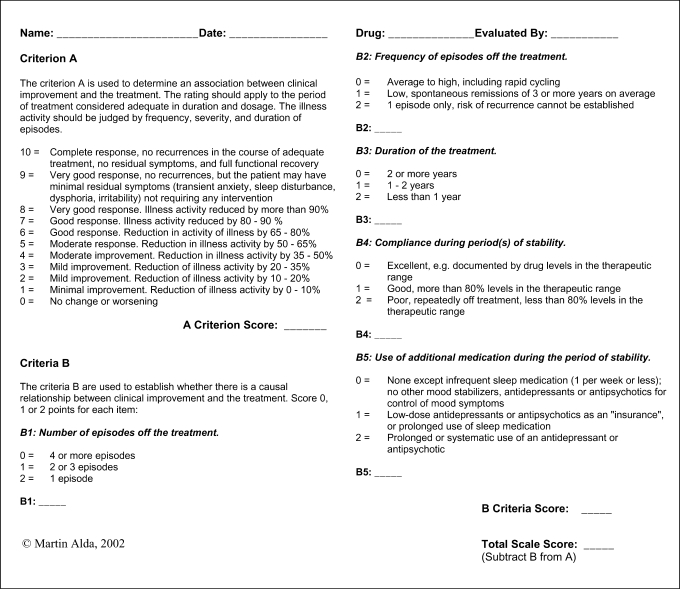
For more than half a decade, lithium has been successfully used to treat bipolar disorder. Worldwide, it is considered the first-line mood stabilizer. Apart from its proven antimanic and prophylactic effects, considerable evidence also suggests an antisuicidal effect in affective disorders. Lithium is also effectively used to augment antidepressant drugs in the treatment of refractory major depressive episodes and prevent relapses in recurrent unipolar depression. In contrast to many psychiatric drugs, lithium has outlasted various pharmacotherapeutic 'fashions', and remains an indispensable element in contemporary psychopharmacology. Nevertheless, data from pharmacogenetic studies of lithium are comparatively sparse, and these studies are generally characterized by small sample sizes and varying definitions of response. Here, we present an international effort to elucidate the genetic underpinnings of lithium response in bipolar disorder. Following an initiative by the International Group for the Study of Lithium-Treated Patients (www.IGSLI.org) and the Unit on the Genetic Basis of Mood and Anxiety Disorders at the National Institute of Mental Health,lithium researchers from around the world have formed the Consortium on Lithium Genetics (www.ConLiGen.org) to establish the largest sample to date for genome-wide studies of lithium response in bipolar disorder, currently comprising more than 1,200 patients characterized for response to lithium treatment. A stringent phenotype definition of response is one of the hallmarks of this collaboration. ConLiGen invites all lithium researchers to join its efforts.
Copyright 2010 S. Karger AG, Basel.
Figures
References
-
- Wadelius M, Sörlin K, Wallerman O, Karlsson J, Yue QY, Magnusson PK, Wadelius C, Melhus H. Warfarin sensitivity related to CYP2C9, CYP3A5, ABCB1 (MDR1) and other factors. Pharmacogenomics J. 2004;4:40–48. - PubMed
-
- Chung WH, Hung SI, Hong HS, Hsih MS, Yang LC, Ho HC, Wu JY, Chen YT. Medical genetics: a marker for Stevens-Johnson syndrome. Nature. 2004;428:486. - PubMed
-
- Penny MA, McHale D. Pharmacogenomics and the drug discovery pipeline: when should it be implemented? Am J Pharmacogenomics. 2005;5:53–62. - PubMed
-
- Roses AD. Pharmacogenetics in drug discovery and development: a translational perspective. Nat Rev Drug Discov. 2008;7:807–817. - PubMed
Publication types
MeSH terms
Substances
Grants and funding
LinkOut - more resources
Full Text Sources
Other Literature Sources
Medical
