


Preference, expectation, and satisfaction in a clinical trial of behavioral interventions for acute and sub-acute low back pain
- PMID: 20466596
- PMCID: PMC2921587
- DOI: 10.1016/j.jpain.2010.02.016
Preference, expectation, and satisfaction in a clinical trial of behavioral interventions for acute and sub-acute low back pain
Abstract
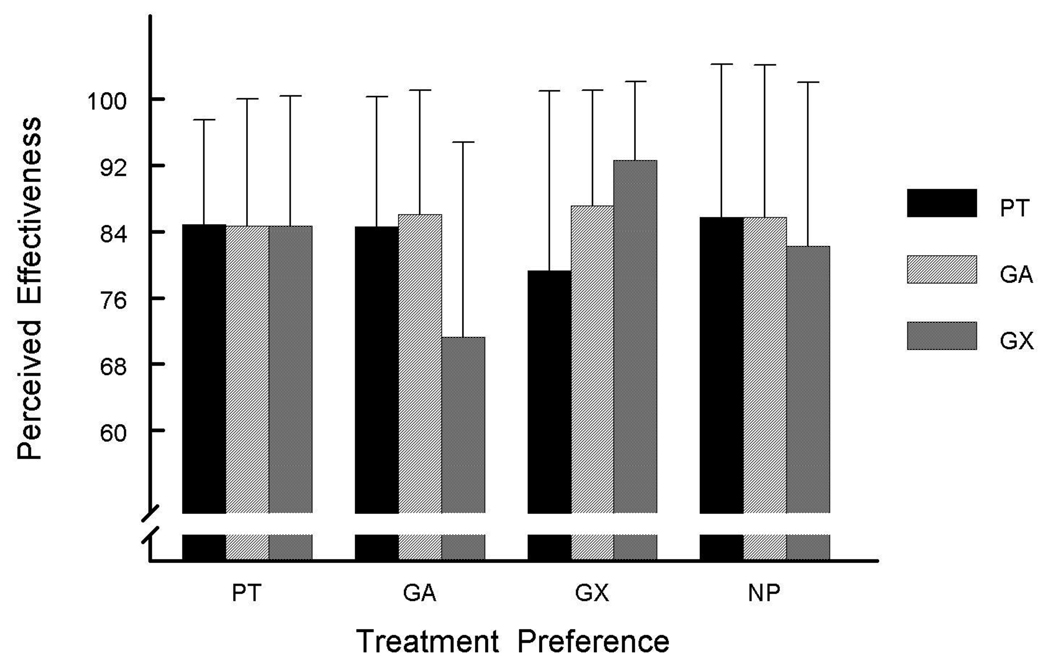
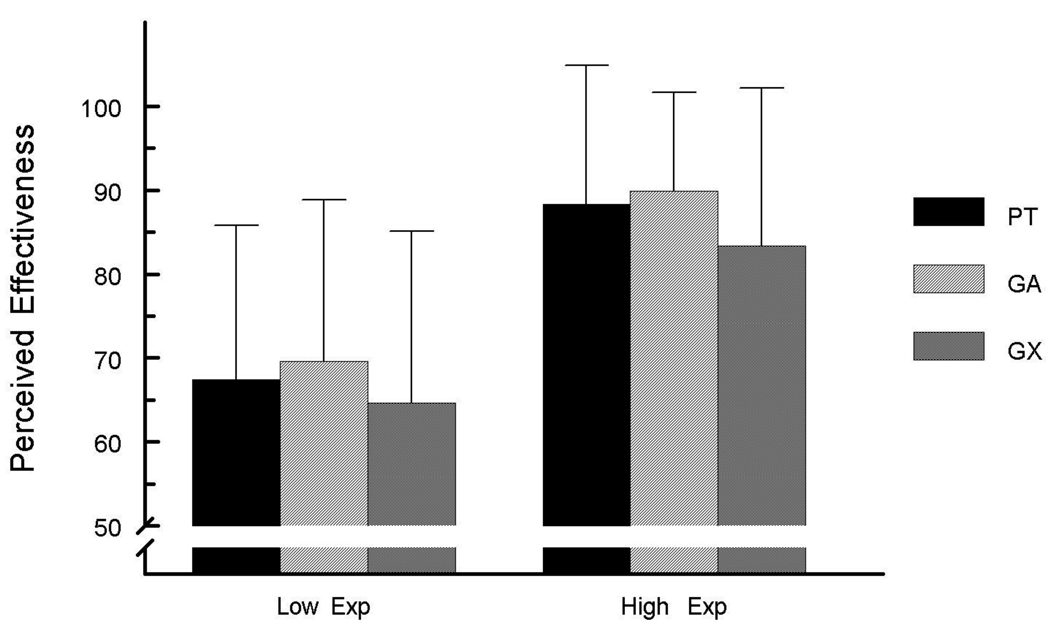
The equivalency of behavioral interventions has led to the consideration of whether patient-related factors influence clinical trial outcomes. The primary purpose of this secondary analysis was to determine if treatment preference and patient expectation were predictors of trial outcomes and if selected patient-satisfaction items were appropriate as outcome measures. Perceived effectiveness, treatment preference, and patient expectation were assessed before random assignment, and patient satisfaction was assessed 6 months later. Patient preference was associated with perceived effectiveness for those with no treatment preference and those preferring graded exposure. Higher patient expectation was associated with higher perceived effectiveness ratings for all treatments in the clinical trial. Patients with no strong treatment preferences had larger 6-month improvements in pain intensity and disability, while patients with higher expectations had lower disability at baseline, 4 weeks, and 6 months. Patient satisfaction rates did not differ based on treatment received. Patient satisfaction was highest with treatment delivery and much lower with treatment effect. Patient satisfaction was uniformly associated with expectations being met, but only satisfaction with treatment effect was associated with lower pain and disability scores. These data support assessment of treatment preference and patient expectation as predictors and patient satisfaction as an outcome measure in low back pain (LBP) clinical trials.
Perspective: These data indicate treatment preference potentially impacts rate of improvement for patients with low back pain. Patient expectation did not impact rate of improvement, but those with higher expectations had lower pain and disability scores throughout the trial. Optimal assessment of patient satisfaction should include items that separately consider treatment delivery and effect.
Copyright © 2010 American Pain Society. Published by Elsevier Inc. All rights reserved.
Conflict of interest statement
The authors have no conflict of interests to report.
Figures
References
-
- Beattie PF, Pinto MB, Nelson MK, Nelson R. Patient satisfaction with outpatient physical therapy: instrument validation. Phys.Ther. 2002;82:557–565. - PubMed
-
- Beattie PF, Pinto MB, Nelson MK, Nelson R. Patient satisfaction with outpatient physical therapy: instrument validation. Phys.Ther. 2002;82:557–565. - PubMed
-
- Chou R, Qaseem A, Snow V, Casey D, Cross JT, Jr, Shekelle P, Owens DK. Diagnosis and treatment of low back pain: a joint clinical practice guideline from the American College of Physicians and the American Pain Society. Ann.Intern.Med. 2007;147:478–491. - PubMed
-
- Daltroy LH, Cats-Baril WL, Katz JN, Fossel AH, Liang MH. The North American spine society lumbar spine outcome assessment Instrument: reliability and validity tests. Spine. 1996;21:741–749. - PubMed
Publication types
MeSH terms
Grants and funding
LinkOut - more resources
Full Text Sources
Miscellaneous
