


Transposon-based screens for cancer gene discovery in mouse models
- PMID: 20478384
- PMCID: PMC2940989
- DOI: 10.1016/j.semcancer.2010.05.003
Transposon-based screens for cancer gene discovery in mouse models
Abstract
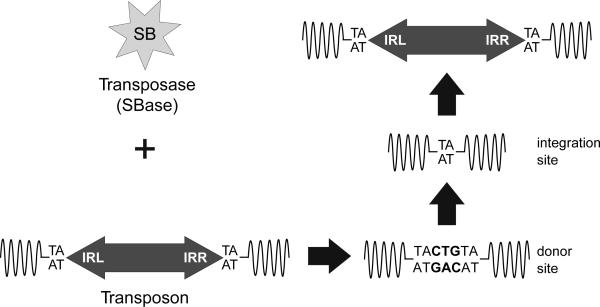
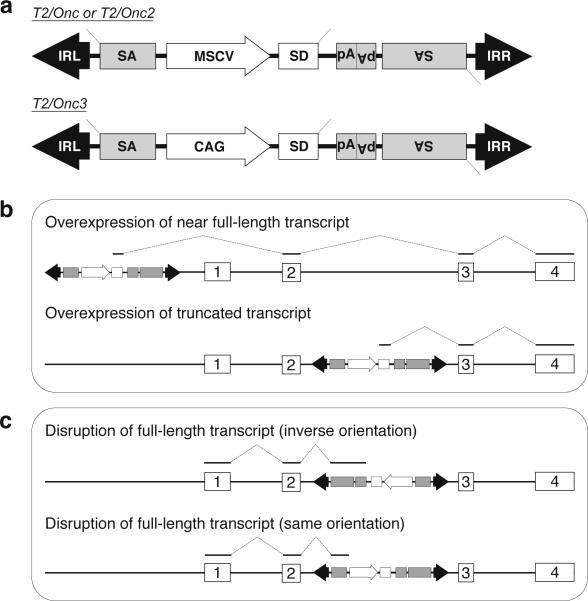
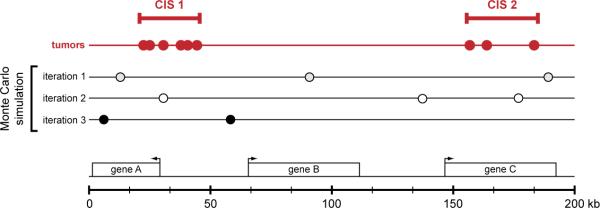
Significant emphasis has recently been placed on the characterization of the human cancer genome. This effort has been assisted by the development of new DNA sequencing technologies that allow the genomes of individual tumors to be analyzed in much greater detail. However, the genetic complexity of human cancer has complicated the identification of driver mutations among the more abundant passenger mutations found in tumors. Recently, the Sleeping Beauty (SB) transposon system has been engineered to model cancer in mice. SB-induced tumors are produced by transposon insertional mutagenesis, thus the tagged mutations facilitate the identification of novel cancer genes. This review provides a brief summary of the SB system and its use in modeling cancer in mice.
Copyright © 2010 Elsevier Ltd. All rights reserved.
Figures
References
-
- Wood LD, Parsons DW, Jones S, Lin J, Sjoblom T, Leary RJ, et al. The genomic landscapes of human breast and colorectal cancers. Science. 2007;318:1108–13. - PubMed
-
- Bittner JJ. Some Possible Effects of Nursing on the Mammary Gland Tumor Incidence in Mice. Science. 1936;84:162. - PubMed
-
- Furth J, Seibold HR, Rathbone RR. Experimental studies on lymphomatosis of mice. Amer. J. Cancer. 1933;19:521–604.
Publication types
MeSH terms
Substances
Grants and funding
LinkOut - more resources
Full Text Sources
Molecular Biology Databases
