Review
. 2010 Oct;34(7):1049-58.
doi: 10.1007/s00264-010-1038-0. Epub 2010 May 19.

Posterosuperior and anterosuperior impingement of the shoulder in overhead athletes-evolving concepts

Affiliations
Review

Posterosuperior and anterosuperior impingement of the shoulder in overhead athletes-evolving concepts

Chlodwig Kirchhoff et al. Int Orthop. 2010 Oct.

Abstract

During throwing motion the athlete puts enormous stress on both the dynamic and the static stabilisers of the shoulder. Repetitive forces cause adaptive soft tissue and bone changes that initially improve performance but ultimately may lead to shoulder pathologies. Although a broad range of theories have been suggested for the pathophysiology of internal impingement, the reasons are obviously multifactorial. This review aims to critically analyse the current literature and to summarise clinically important information. The cardinal lesions of internal impingement, articular-sided rotator cuff tears and posterosuperior labral lesions, have been shown to occur in association with a number of other findings, most importantly glenohumeral internal rotation deficit and SICK scapula syndrome, but also with posterior humeral head lesions, posterior glenoid bony injury and, rarely, with Bankart and inferior glenohumeral ligament lesions. Extensive biomechanical and clinical research is necessary before a complete understanding and reconciliation of the varying theories of the pathomechanisms of injury can be developed.


Figures
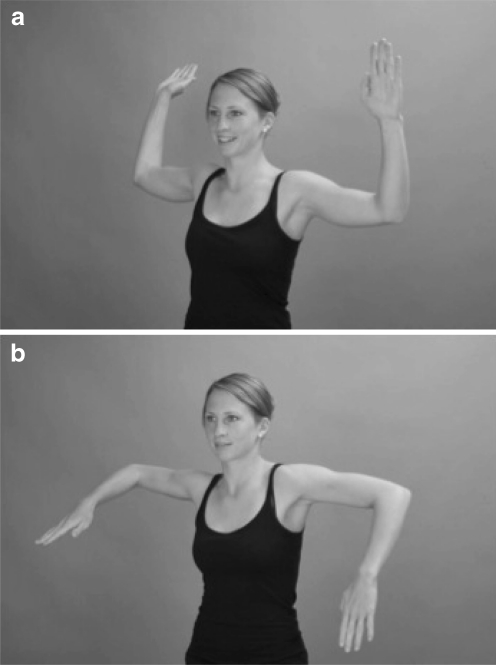
Fig. 1
Fig. 1
The typical clinical finding of a patient with glenohumeral internal rotation deficit (GIRD) is demonstrated. In figure a the increased external rotation of the right shoulder is visible. In contrast in figure b the loss of internal rotation is demonstrated
Fig. 2
Fig. 2
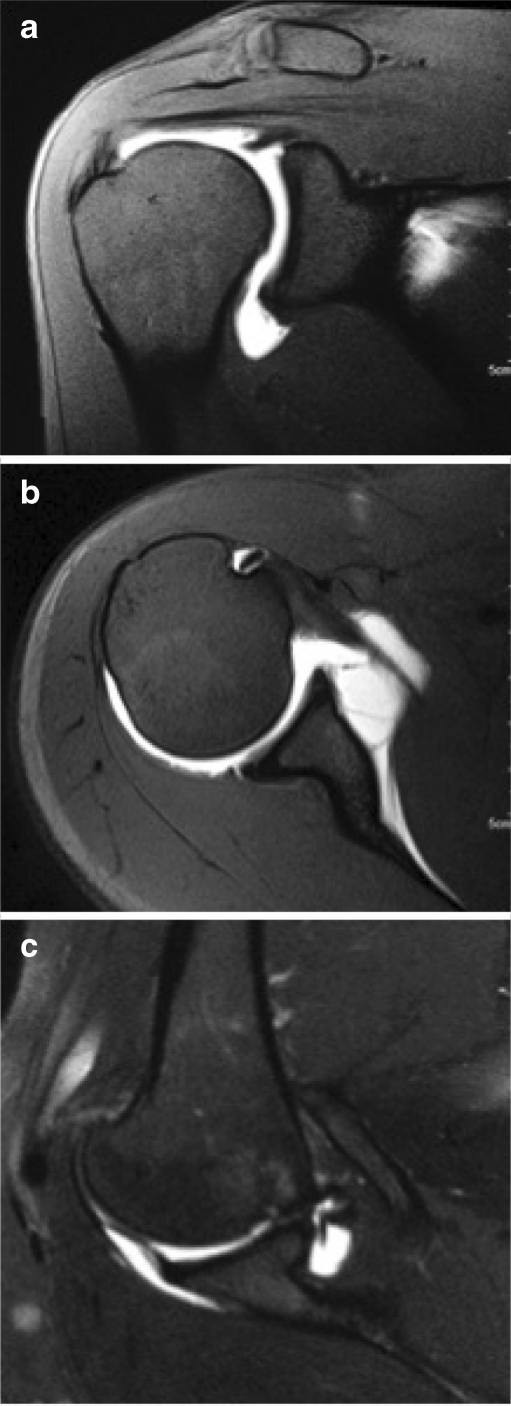
Posterior superior glenohumeral impingement. T1-weighted fat-saturated abduction and external rotation (ABER) image of shoulder MR arthrogram shows an articular surface tear at the posterior supraspinatus. There is also a superior labral tear and small cyst at the greater tuberosity
Fig. 3
Fig. 3
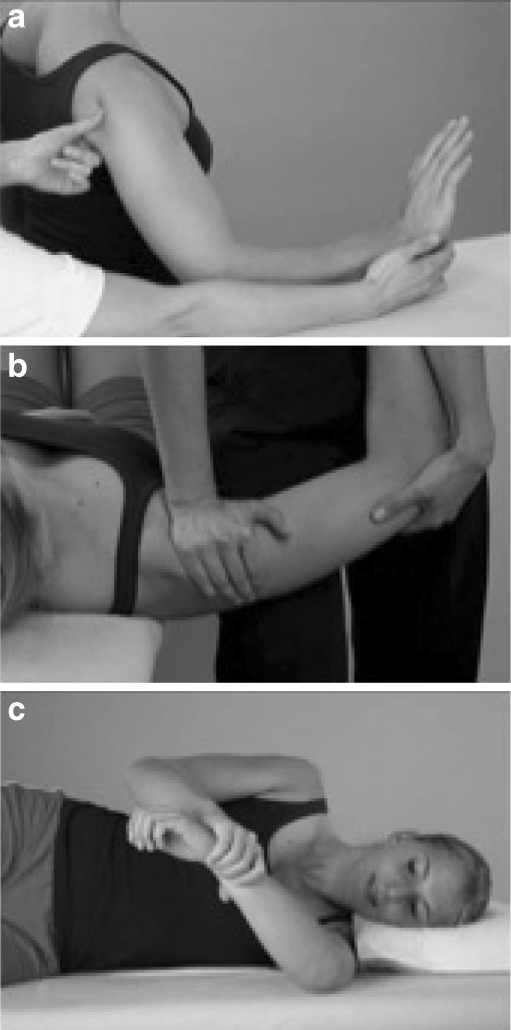
The sleeper stretch: the patient on the involved side with the shoulder in 90° of forward elevation. The contralateral arm internally rotates the involved shoulder until a stretch on the posterior aspect of the shoulder

References

    1. Heyworth BE, Williams RJ., 3rd Internal impingement of the shoulder. Am J Sports Med. 2009;37:1024–1037. doi: 10.1177/0363546508324966. - DOI - PubMed
    1. Bennett GE. Shoulder and elbow lesions distinctive of baseball players. Ann Surg. 1947;126:107–110. doi: 10.1097/00000658-194707000-00008. - DOI - PMC - PubMed
    1. Budoff JE, Nirschl RP, Ilahi OA, Rodin DM. Internal impingement in the etiology of rotator cuff tendinosis revisited. Arthroscopy. 2003;19:810–814. doi: 10.1016/S0749-8063(03)00732-1. - DOI - PubMed
    1. Lombardo SJ, Jobe FW, Kerlan RK, Carter VS, Shields CL., Jr Posterior shoulder lesions in throwing athletes. Am J Sports Med. 1977;5:106–110. doi: 10.1177/036354657700500302. - DOI - PubMed
    1. Jobe FW, Moynes DR, Tibone JE, Perry J. An EMG analysis of the shoulder in pitching. A second report. Am J Sports Med. 1984;12:218–220. doi: 10.1177/036354658401200310. - DOI - PubMed

MeSH terms