


Arecoline induces HA22T/VGH hepatoma cells to undergo anoikis - involvement of STAT3 and RhoA activation
- PMID: 20507639
- PMCID: PMC2895595
- DOI: 10.1186/1476-4598-9-126
Arecoline induces HA22T/VGH hepatoma cells to undergo anoikis - involvement of STAT3 and RhoA activation
Abstract
Background: Our previous study showed that, in basal cell carcinoma cells, arecoline reduces levels of the tumor cell survival factor interleukin-6 (IL-6), increases levels of tumor suppressor factor p53, and elicits cell cycle arrest, followed by apoptosis. In preliminarily studies, we observed that arecoline induces detachment of the human-derived hepatoma cell line HA22T/VGH from the extracellular matrix. In the present study, we explored the fate of the detached HA22T/VGH cells and investigated the underlying mechanism.
Methods: HA22T/VGH cells or primary cultured rat hepatocytes were treated with arecoline, then changes in morphology, viability, apoptosis, and the expression of surface beta1-integrin, apoptosis-related proteins, and IL-6 were examined. Furthermore, activation of the signal transducer and activator of transcription 3 (STAT3) pathway and the RhoA/Rock signaling pathway, including p190RhoGAP and Src homology-2 domain-containing phosphatase SHP2, was examined.
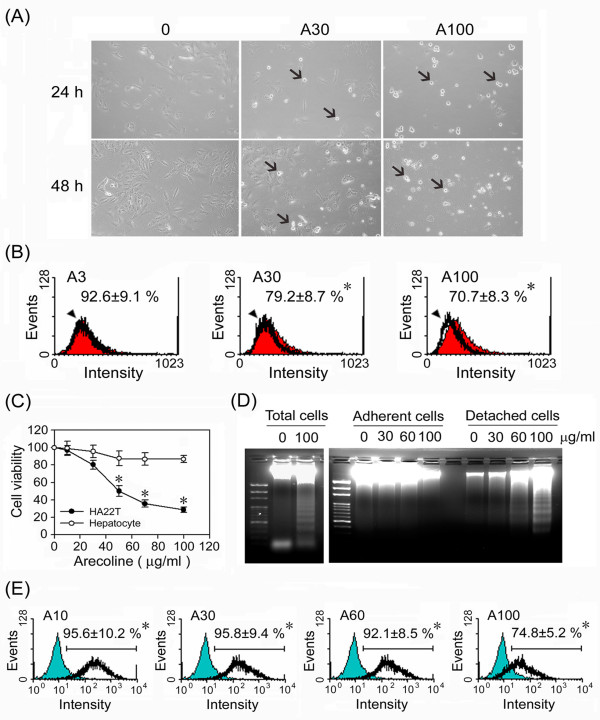
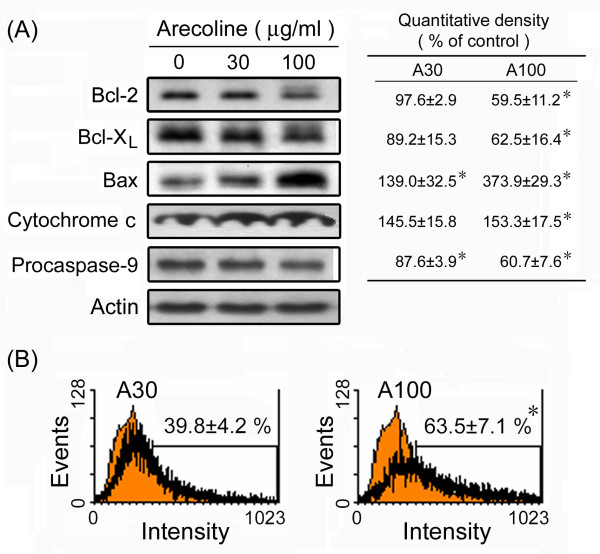
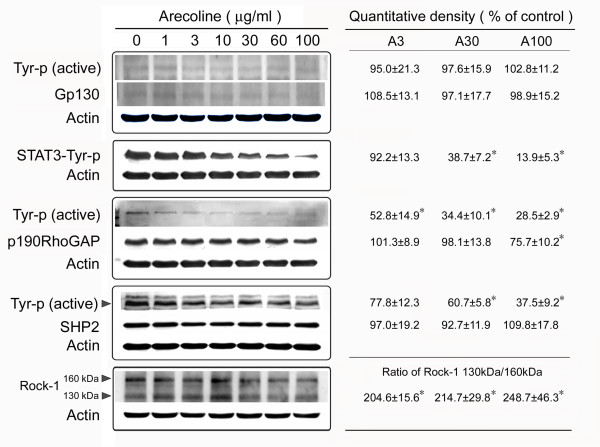
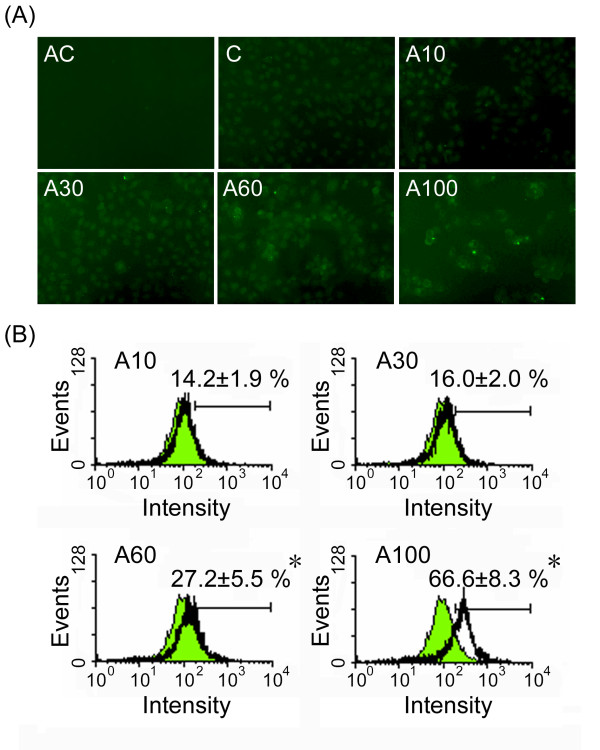
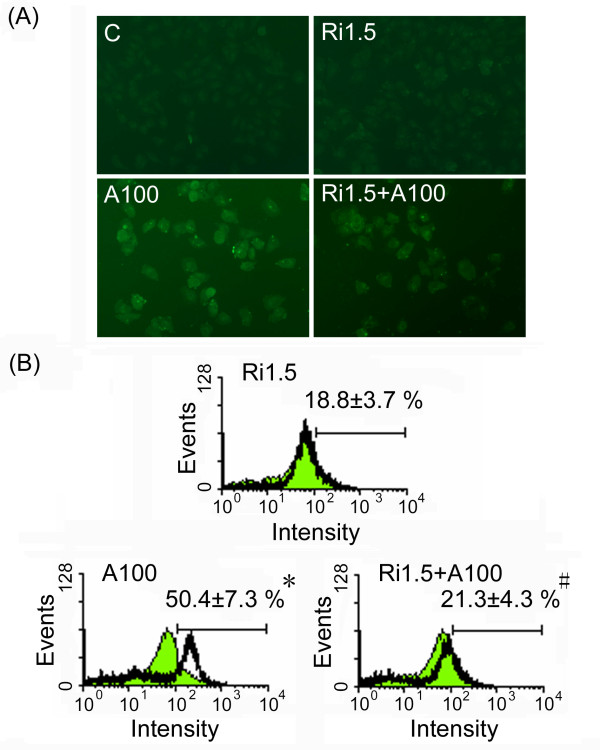
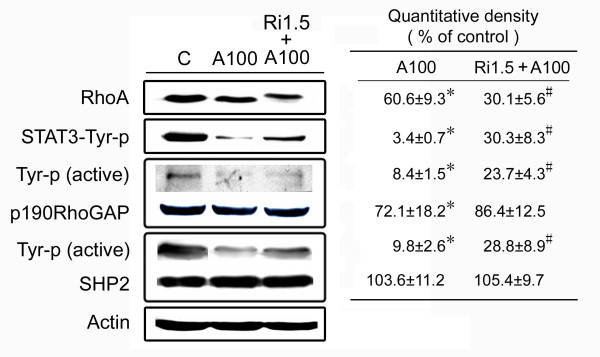
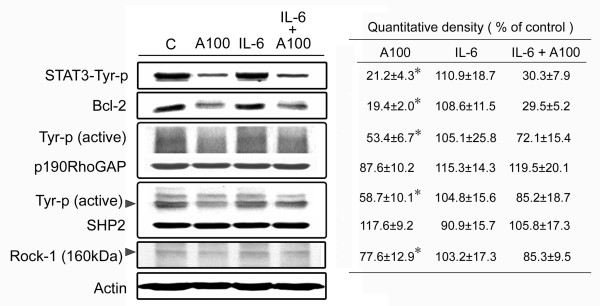
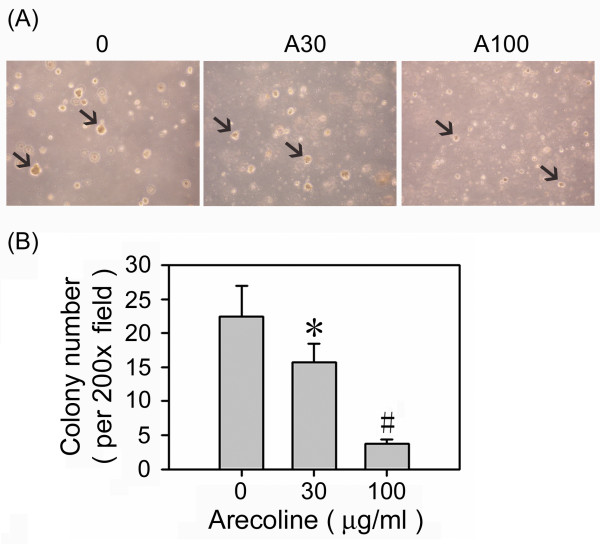
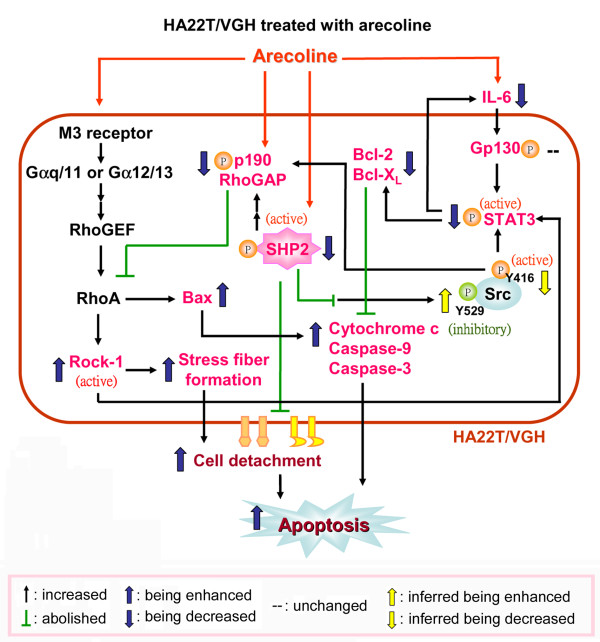
Results: A low concentration of arecoline (<or= 100 microg/ml) caused cytoskeletal changes in HA22T/VGH cells, but not hepatocytes, and this was accompanied by decreased beta1-integrin expression and followed by apoptosis, indicating that HA22T/VGH cells undergo anoikis after arecoline treatment. IL-6 expression and phosphorylation of STAT3, which provides protection against anoikis, were inhibited and levels of downstream signaling proteins, including Bcl-XL and Bcl-2, were decreased, while Bax expression, mitochondrial cytochrome c release, and caspase-3 activity were increased. In addition, phosphorylation/activation of p190RhoGAP, a RhoA inhibitor, and of its upstream regulator, SHP2, was inhibited by arecoline treatment, while Rho/Rock activation was increased. Addition of the RhoA inhibitor attenuated the effects of arecoline.
Conclusions: This study demonstrated that arecoline induces anoikis of HA22T/VGH cells involving inhibition of STAT3 and increased RhoA/Rock activation and that the STAT3 and RhoA/Rock signaling pathways are connected.
Figures
References
-
- Gray JA, Enz A, Spiegel R. Muscarinic agonists for senile dementia: past experience and future trends. Trends Pharmacol Sci. 1989. pp. 85–88. - PubMed
-
- Raffaele KC, Berardi A, Asthana S, Morris P, Haxby JV, Soncrant TT. Effects of long-term continuous infusion of the muscarinic cholinergic agonist arecoline on verbal memory in dementia of the Alzheimer type. Psychopharmacol Bull. 1991;27:315–319. - PubMed
-
- Chang MC, Wu HL, Lee JJ, Lee PH, Chang HH, Hahn LJ, Lin BR, Chen YJ, Jeng JH. The induction of prostaglandin E2 production, interleukin-6 production, cell cycle arrest, and cytotoxicity in primary oral keratinocytes and KB cancer cells by areca nut ingredients is differentially regulated by MEK/ERK activation. J Biol Chem. 2004;279:50676–50683. doi: 10.1074/jbc.M404465200. - DOI - PubMed
-
- Jeng JH, Wang YJ, Chiang BL, Lee PH, Chan CP, Ho YS, Wang TM, Lee JJ, Hahn LJ, Chang MC. Roles of keratinocyte inflammation in oral cancer: regulating the prostaglandin E2, interleukin-6 and TNF-alpha production of oral epithelial cells by areca nut extract and arecoline. Carcinogenesis. 2003;24:1301–1315. doi: 10.1093/carcin/bgg083. - DOI - PubMed
Publication types
MeSH terms
Substances
LinkOut - more resources
Full Text Sources
Medical
Molecular Biology Databases
Research Materials
Miscellaneous
