


Design of the DIRECT-project: interventions to increase job resources and recovery opportunities to improve job-related health, well-being, and performance outcomes in nursing homes
- PMID: 20509923
- PMCID: PMC2893094
- DOI: 10.1186/1471-2458-10-293
Design of the DIRECT-project: interventions to increase job resources and recovery opportunities to improve job-related health, well-being, and performance outcomes in nursing homes
Abstract
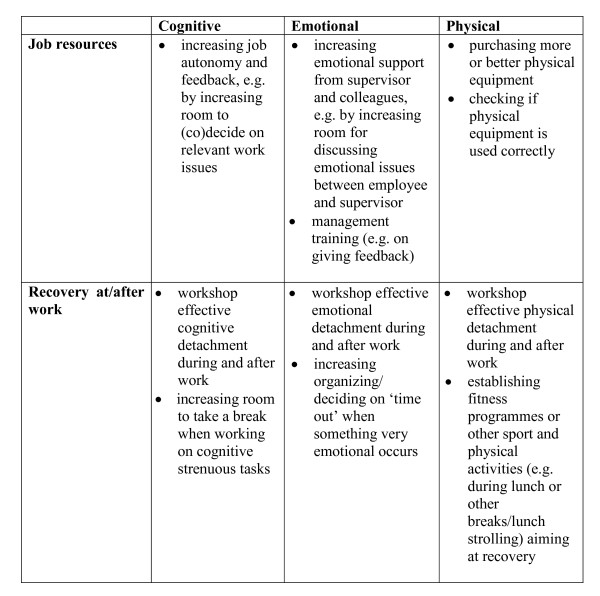
Background: Because of high demands at work, nurses are at high risk for occupational burnout and physical complaints. The presence of job resources (such as job autonomy or social support) and recovery opportunities could counteract the adverse effect of high job demands. However, it is still unclear how job resources and recovery opportunities can be translated into effective workplace interventions aiming to improve employee health, well-being, and performance-related outcomes. The aim of the current research project is developing and implementing interventions to optimize job resources and recovery opportunities, which may lead to improved health, well-being and performance of nurses.
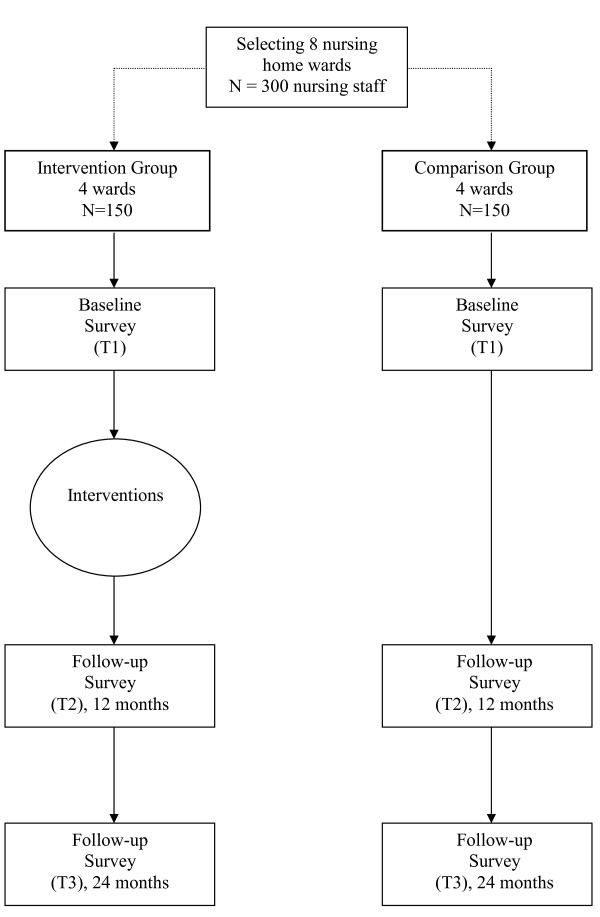
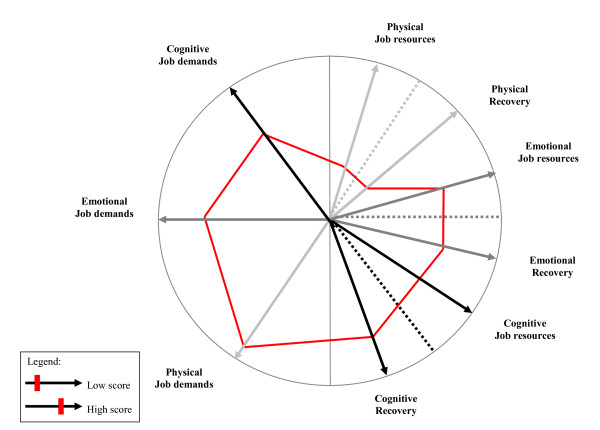
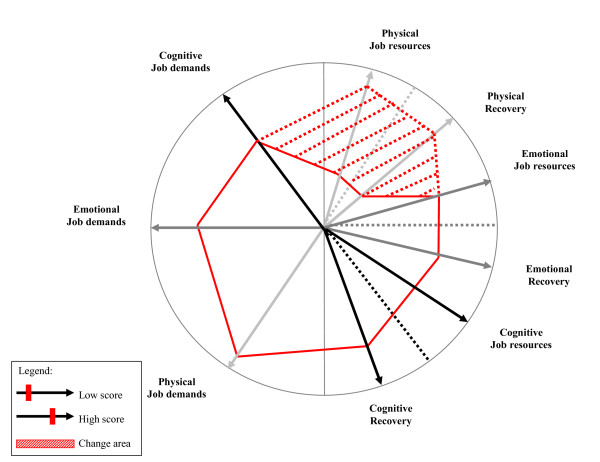
Methods/design: The DIRECT-project (DIsc Risk Evaluating Controlled Trial) is a longitudinal, quasi-experimental field study. Nursing home staff of 4 intervention wards and 4 comparison wards will be involved. Based on the results of a base-line survey, interventions will be implemented to optimize job resources and recovery opportunities. After 12 and 24 month the effect of the interventions will be investigated with follow-up surveys. Additionally, a process evaluation will be conducted to map factors that either stimulated or hindered successful implementation as well as the effectiveness of the interventions.
Discussion: The DIRECT-project fulfils a strong need for intervention research in the field of work, stress, performance, and health. The results could reveal (1) how interventions can be tailored to optimize job resources and recovery opportunities, in order to counteract job demands, and (2) what the effects of these interventions will be on health, well-being, and performance of nursing staff.
Figures
References
-
- Ilhan MN, Durukan E, Taner E, Maral I, Bumin MA. Burnout and its correlates among nursing staff: Questionnaire survey. Journal of Advanced Nursing. 2008;61:100–106. - PubMed
-
- Viera ER. Why do nurses have a high incidence of low back disorders, and what can be done to reduce their risk? Bariatric Nursing and Surgical Patient Care. 2007;2:141–147. doi: 10.1089/bar.2006.9975. - DOI
Publication types
MeSH terms
LinkOut - more resources
Full Text Sources
Medical
