


Body mass correlates inversely with inhibitory control in response to food among adolescent girls: an fMRI study
- PMID: 20510377
- PMCID: PMC2910204
- DOI: 10.1016/j.neuroimage.2010.05.059
Body mass correlates inversely with inhibitory control in response to food among adolescent girls: an fMRI study
Abstract
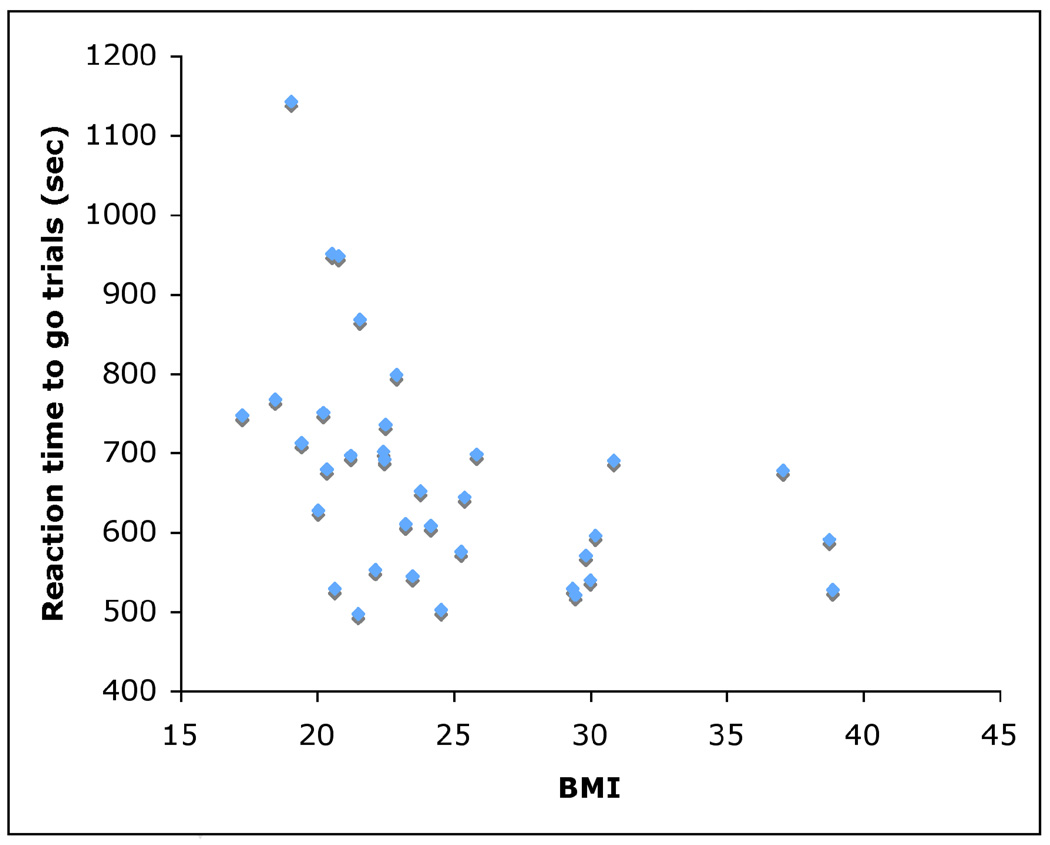
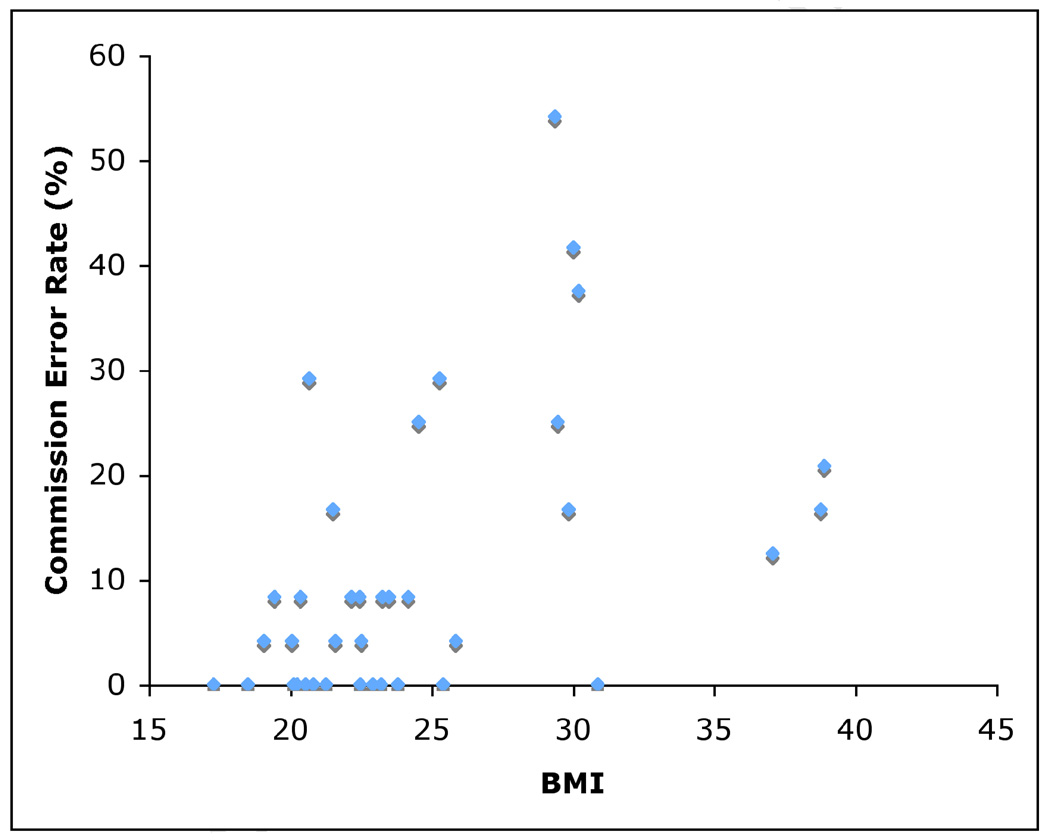
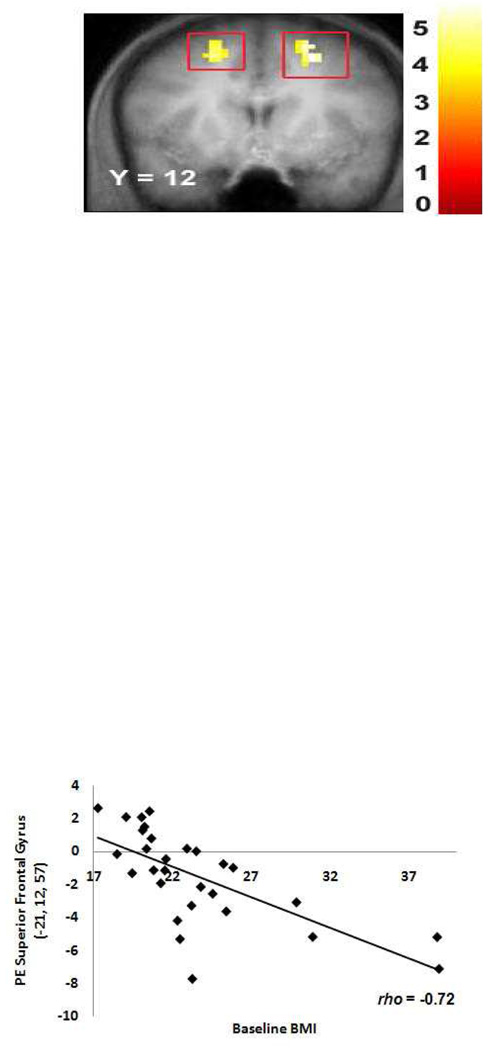
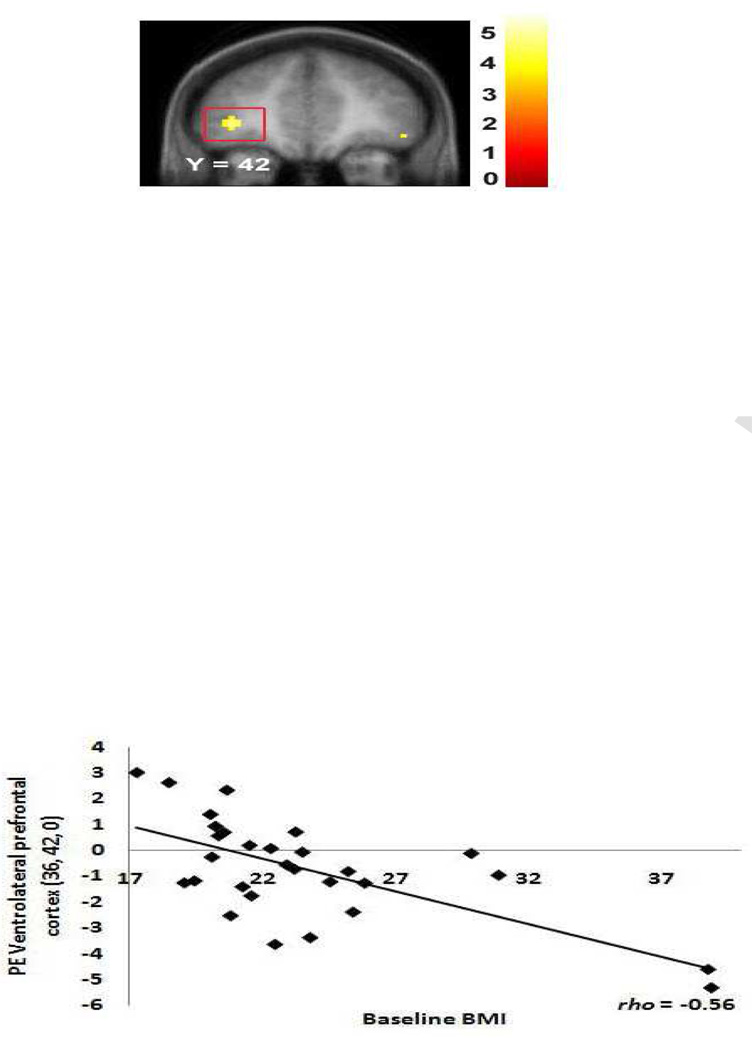
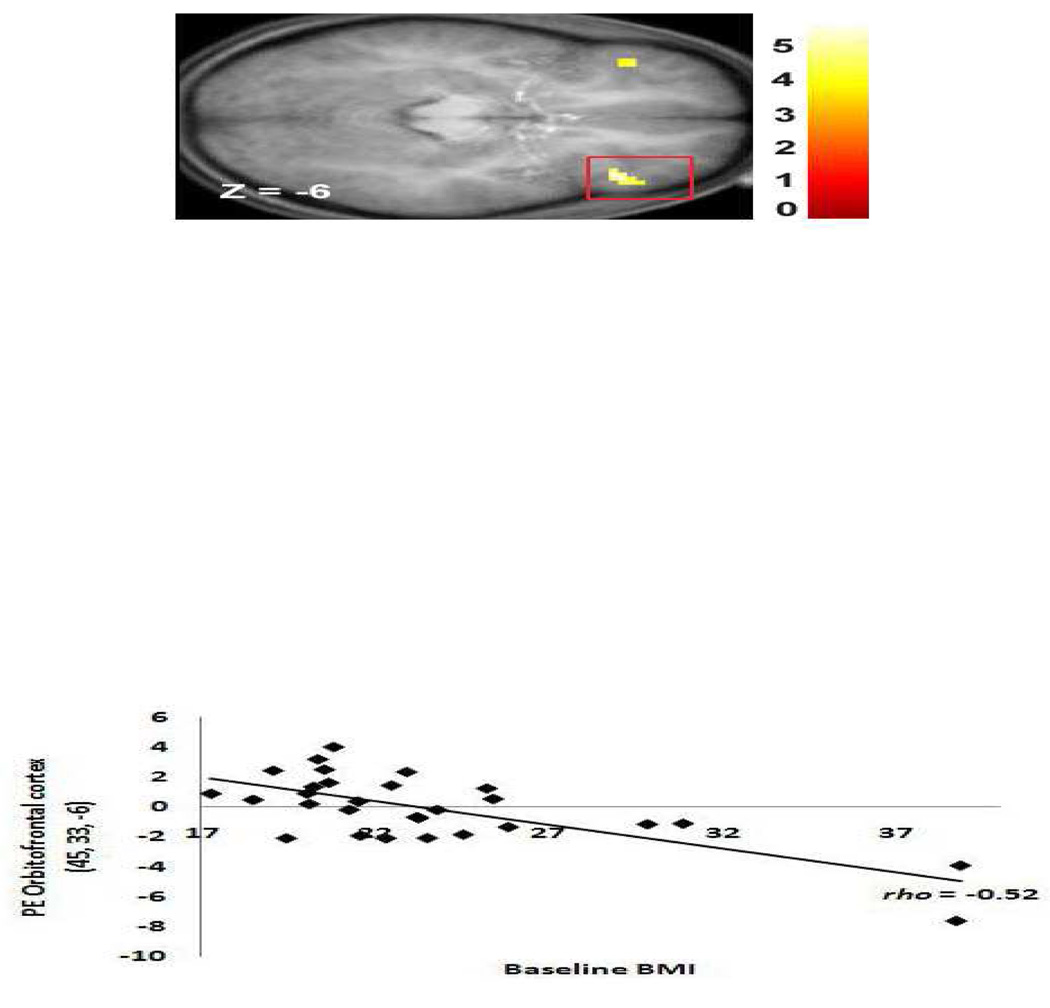
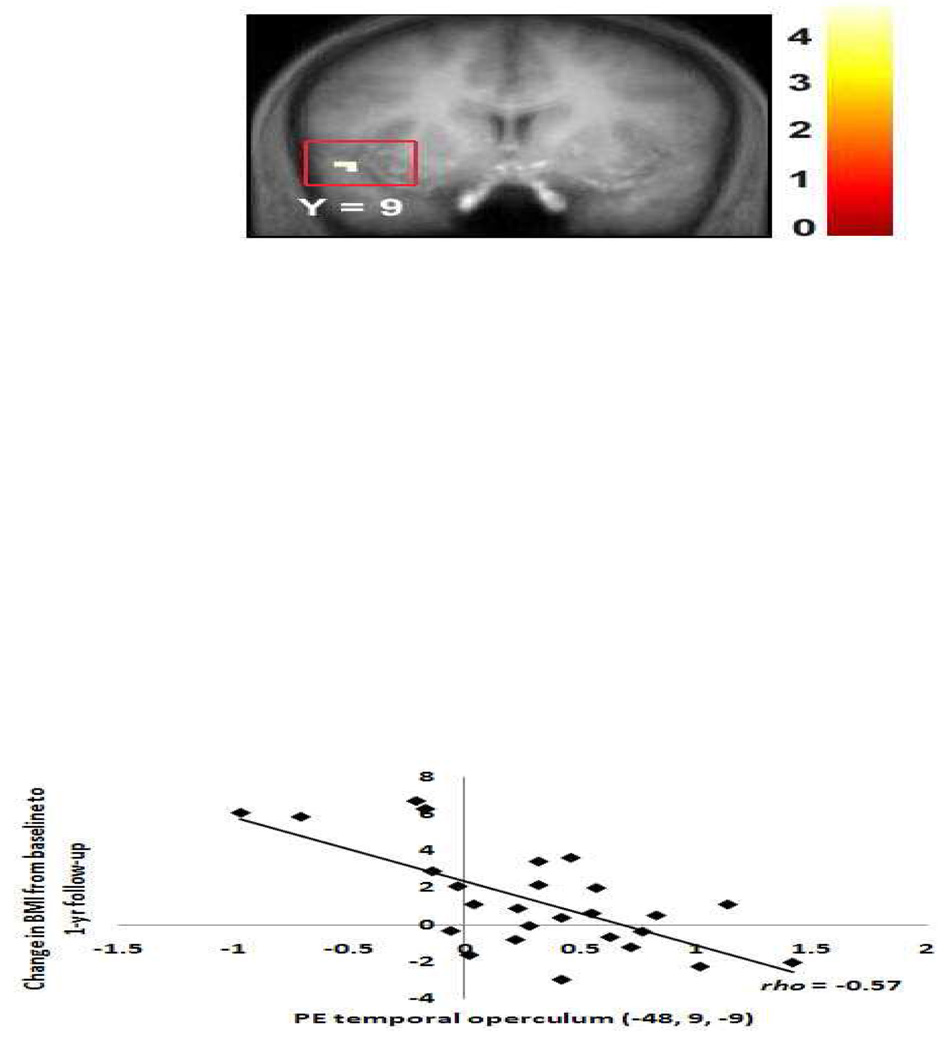
Self-report and behavioral data suggest that impulsivity may contribute to the development and maintenance of obesity. Neuroimaging studies implicate a widespread neural network in inhibitory control and suggest that impulsive individuals show hypoactivity in these regions during tasks requiring response inhibition. Yet, research has not directly tested whether body mass correlates inversely with activation of these regions during response inhibition tasks. The present study used functional magnetic resonance imaging (fMRI) to investigate neural activations during a food-specific go/no-go task in adolescent girls ranging from lean to obese. When required to inhibit prepotent responses to appetizing food, body mass index (BMI) correlated with response inhibition at both the behavioral and neural levels, with more overweight adolescents showing greater behavioral evidence of impulsivity as well as reduced activation of frontal inhibitory regions, including superior frontal gyrus, middle frontal gyrus, ventrolateral prefrontal cortex, medial prefrontal cortex, and orbitofrontal cortex, than leaner individuals. As well, activation in food reward regions (e.g., temporal operculum/insula) in response to food images correlated positively with BMI. Results suggest that hypofunctioning of inhibitory control regions and increased response of food reward regions are related to elevated weight.
Copyright 2010 Elsevier Inc. All rights reserved.
Figures
References
-
- Aron AR, Poldrack RA. The Cognitive Neuroscience of Response Inhibition: Relevance for Genetic Research in Attention-Deficit/Hyperactivity Disorder. Biological Psychiatry. 2005;57:1285–1292. - PubMed
-
- Asahi S, Okamoto Y, Okada G, Yamawaki S, Yokota N. Negative correlation between right prefrontal activity during response inhibition and impulsiveness: A fMRI study. European Archives of Psychiatry and Clinical Neuroscience. 2004;254:245–251. - PubMed
-
- Bartzokis G, Beckson M, Lu PH, Nuechterlein KH, Edwards N, Mintz J. Age-related Changes in Frontal and Temporal Lobe Volumes in Men: A Magnetic Resonance Imaging Study. Arch Gen Psychiatry. 2001;58(5):461–465. - PubMed
-
- Bechara D, Tranel H, Damasio H. Characterization of the decision-making deficit of patients with ventromedial prefrontal cortex lesions. Brain. 2000;123:2189–2202. - PubMed
MeSH terms
Grants and funding
LinkOut - more resources
Full Text Sources
Medical
Research Materials
