Population genomic sequencing of Coccidioides fungi reveals recent hybridization and transposon control
- PMID: 20516208
- PMCID: PMC2892095
- DOI: 10.1101/gr.103911.109
Population genomic sequencing of Coccidioides fungi reveals recent hybridization and transposon control
Abstract
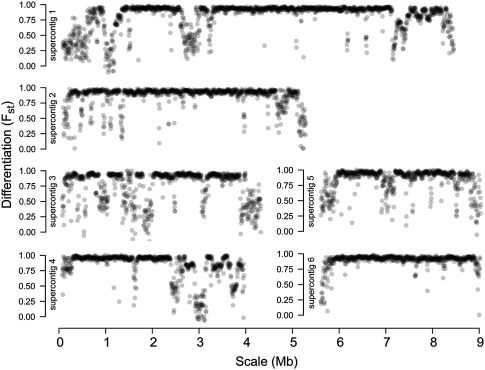
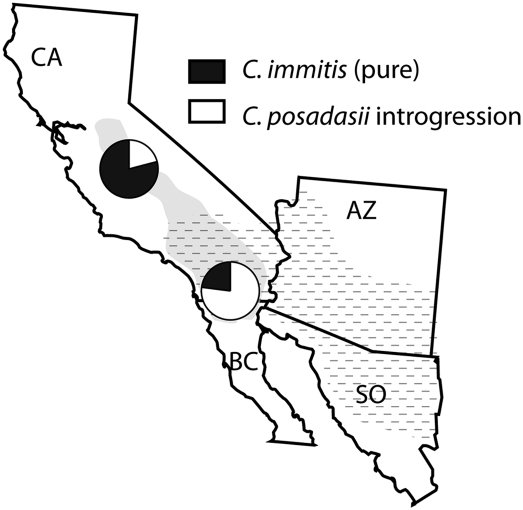
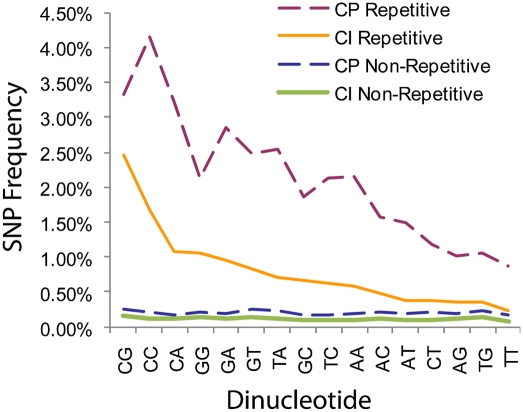
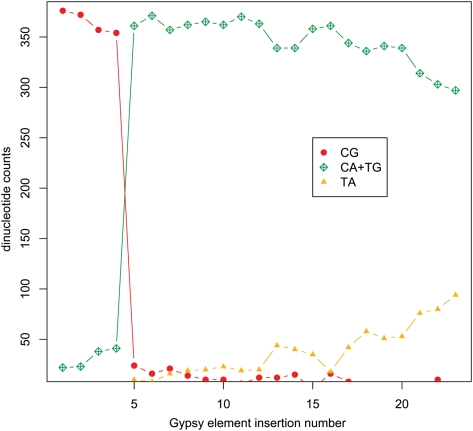
We have sequenced the genomes of 18 isolates of the closely related human pathogenic fungi Coccidioides immitis and Coccidioides posadasii to more clearly elucidate population genomic structure, bringing the total number of sequenced genomes for each species to 10. Our data confirm earlier microsatellite-based findings that these species are genetically differentiated, but our population genomics approach reveals that hybridization and genetic introgression have recently occurred between the two species. The directionality of introgression is primarily from C. posadasii to C. immitis, and we find more than 800 genes exhibiting strong evidence of introgression in one or more sequenced isolates. We performed PCR-based sequencing of one region exhibiting introgression in 40 C. immitis isolates to confirm and better define the extent of gene flow between the species. We find more coding sequence than expected by chance in the introgressed regions, suggesting that natural selection may play a role in the observed genetic exchange. We find notable heterogeneity in repetitive sequence composition among the sequenced genomes and present the first detailed genome-wide profile of a repeat-induced point mutation (RIP) process distinctly different from what has been observed in Neurospora. We identify promiscuous HLA-I and HLA-II epitopes in both proteomes and discuss the possible implications of introgression and population genomic data for public health and vaccine candidate prioritization. This study highlights the importance of population genomic data for detecting subtle but potentially important phenomena such as introgression.
Figures
References
-
- Altshuler D, Pollara VJ, Cowles CR, Van Etten WJ, Baldwin J, Linton L, Lander ES 2000. An SNP map of the human genome generated by reduced representation shotgun sequencing. Nature 407: 513–516 - PubMed
-
- Arizona Department of Health Services 2007. Valley Fever Annual Report Arizona Department of Health Services, Phoenix
-
- Clark RM, Schweikert G, Toomajian C, Ossowski S, Zeller G, Shinn P, Warthmann N, Hu TT, Fu G, Hinds DA, et al. 2007. Common sequence polymorphisms shaping genetic diversity in Arabidopsis thaliana. Science 317: 338–342 - PubMed
Publication types
MeSH terms
Substances
Grants and funding
LinkOut - more resources
Full Text Sources
Other Literature Sources
Molecular Biology Databases
Research Materials
Miscellaneous