. 2010 Jun 29;49(25):5213-24.
doi: 10.1021/bi1003734.

Conformation of dimeric apolipoprotein A-I milano on recombinant lipoprotein particles

Affiliations

Conformation of dimeric apolipoprotein A-I milano on recombinant lipoprotein particles

Shaila Bhat et al. Biochemistry. .

Abstract

Apolipoprotein A-I Milano (apoA-I(Milano)) is a naturally occurring human mutation of wild-type apolipoprotein A-I (apoA-I(WT)) having cystine substituted for arginine(173). Two molecules of apo-I(WT) form disks with phospholipid having a defined relationship between the apoA-I(WT) molecules. ApoA-I(Milano) forms cystine homodimers that would not allow the protein to adopt the conformation reported for apoA-I(WT). The conformational constraints for dimeric apoA-I(Milano) recombinant high-density lipoprotein (rHDL) disks made with phospholipid were deduced from a combination of chemical cross-linking and mass spectrometry. Lysine-selective homobifunctional cross-linkers were reacted with homogeneous rHDL having diameters of 78 and 125 A. After reduction, cross-linked apoA-I(Milano) was separated from monomeric apoprotein by gel electrophoresis and then subjected to in-gel trypsin digest. Cross-linked peptides were confirmed by MS/MS sequencing. The cross-links provided distance constraints that were used to refine models of lipid-bound dimeric apoA-I(Milano). These studies suggest that a single dimeric apoA-I(Milano) on 78 A diameter rHDL girdles the edge of a phospholipid disk assuming a "belt" conformation similar to the "belt" region of apoA-I(WT) on rHDL. However, the C-terminal end of dimeric apoA-I(Milano) wraps around the periphery of the particle to shield the fatty acid chains from water rather than folding back onto the "belt" as does apoA-I(WT). The two apoA-I(Milano) dimers on a 125 A diameter rHDL do not encircle the periphery of a phospholipid disk but appear to reside on the surface of a laminar micelle.


Figures
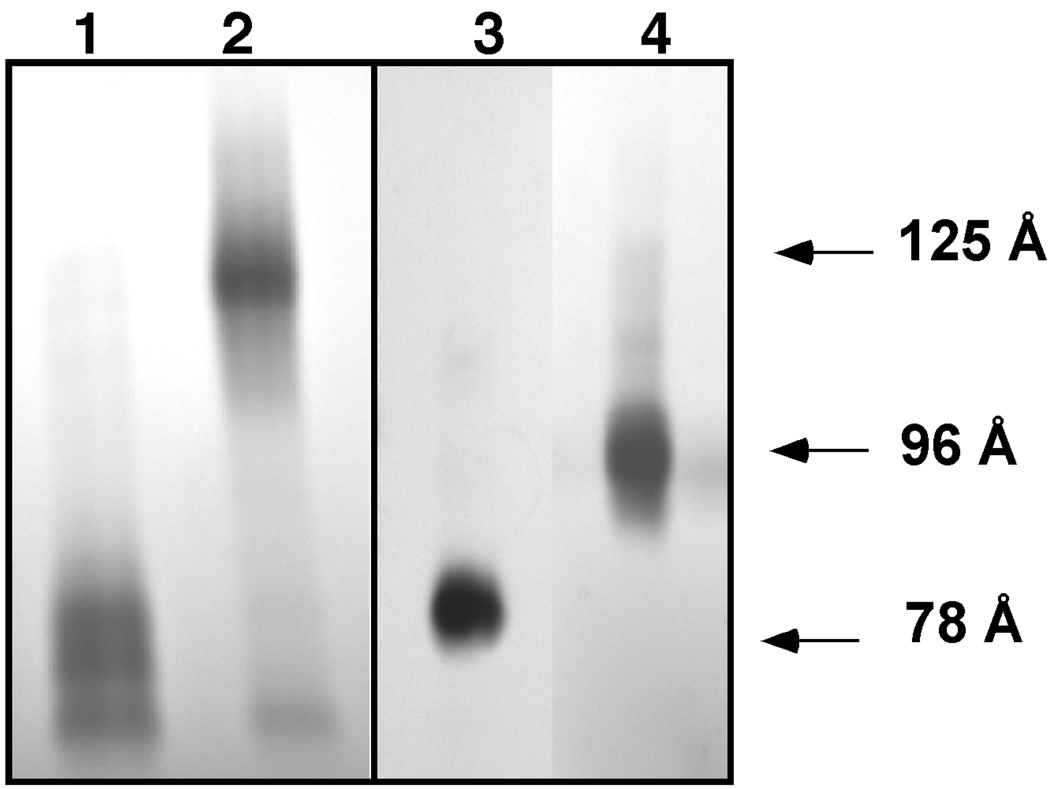
FIGURE 1
FIGURE 1. Non-denaturing 4–30% Gradient Gel Electrophoresis of Recombinant HDL (rHDL) Containing POPC and ApoA-IMilano
Lane 1, purified 78Å diameter rHDL prepared using dimeric apoA-IMilano, as described in “Experimental Procedures” and containing a total of 76 POPC to 1 apoA-IMilano dimer per particle; Lane 2, purified 125Å diameter rHDL containing a total of 209 POPC, with 2 apoA-IMilano dimers per particle; Lane 3, purified 80 Å rHDL prepared with “reduced” apoA-IMilano monomers and having a total of 55 POPC to two apoA-I monomers; Lane 4, purified 96 Å rHDL prepared with “reduced” apoA-IMilano monomers and having a total of 150 POPC to two apoA-I monomers. All rHDL preps were purified by FPLC. Approximately 6 µg of protein was loaded into each lane. High molecular weight markers from GE Healthcare (17-0445-01) were used to calculate each rHDL diameter: 170Å, ferritin; 124Å, catalase; 98Å, lactate dehydrogenase; 82Å, and albumin 71Å.
FIGURE 2
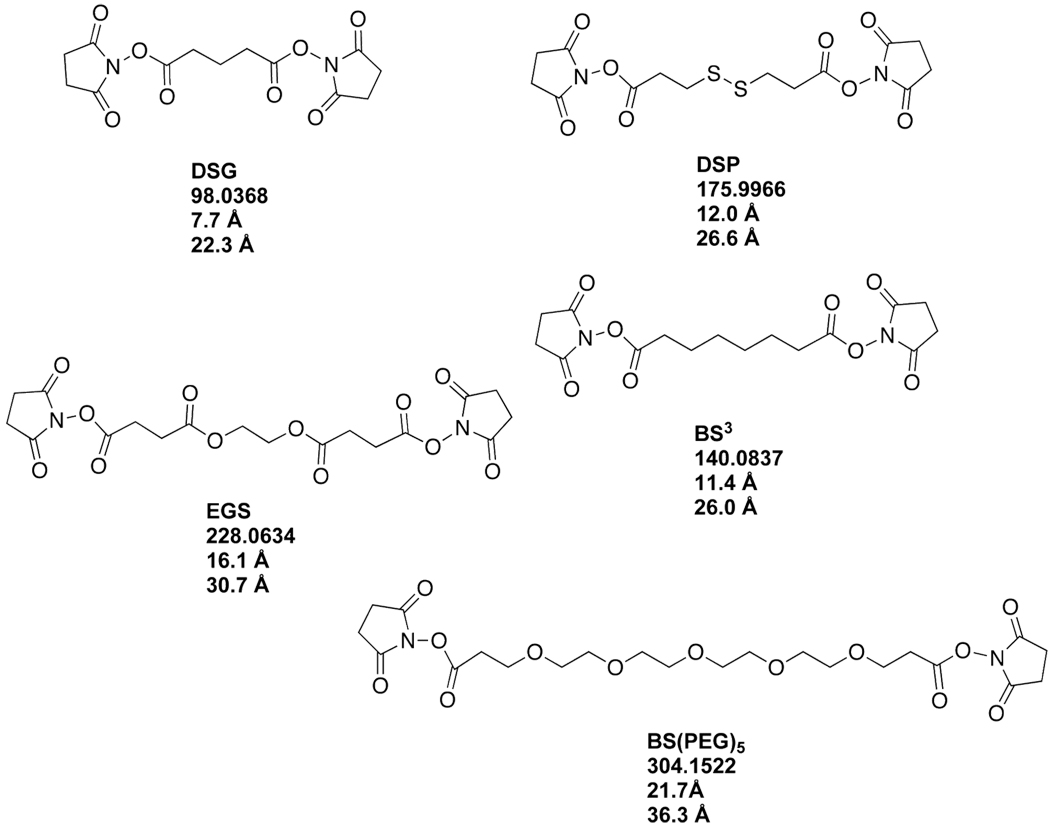
FIGURE 2. Chemical Structure of the Lysine-reactive Homobifunctional Cross-linkers Used in These Studies
Shown are the chemical structure, spacer arm molecular weight, spacer arm length (Å) and Cα-cross-linker-Cα distance (Å) for each cross-linker used in these studies. Each cross-linker contains an amine-reactive NHS ester that can react with any of the 21 lysines found in a single molecule of apoA-I. The cross-linkers and their abbreviations are: DSG, disuccinimidylglutarate; DSP, dithiobis(succinimidylpropionate); BS3, bis(sulfosuccinimidyl)suberate; EGS, ethyleneglycolbis(succinimidylsuccinate); and BS(PEG)5, Bis-N-succinimidyl(pentaethyleneglycol) ester. Note: only the cross-linker DSP contains a disulfide linkage that can be “reduced” by treatment with dithiothreitol or beta-mercaptoethanol.
FIGURE 3
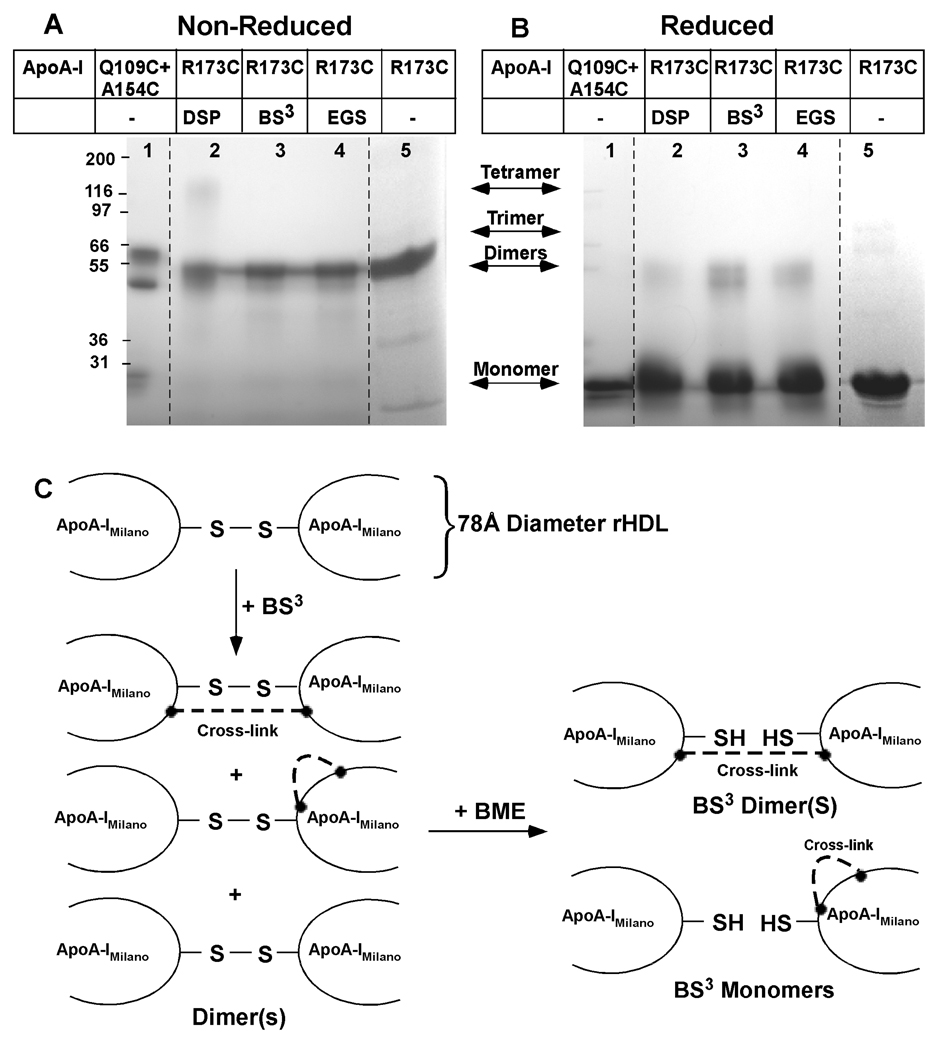
FIGURE 3. 4–30% Gradient SDS PAGE Analysis of Cross-linked 78Å Diameter POPC:ApoA-IMilano rHDL
Panel A shows migration under non-reducing conditions. Panel B shows migration under reducing conditions after treatment with βME. Lane 1 shows the positional specific migration of a mixture of Q109C and A154C apoA-I homodimers (25). Lanes 2–4 show 78Å diameter POPC:apoA-IMilano treated with DSP (Lane 2), BS3 (Lane 3), and EGS (Lane 4). Lane 5, contains uncross-linked apoA-IMilano. Mark 12 (Invitrogen) molecular weight markers were used. All samples were treated with molar ratio of 10:1 cross-linker to apoA-I for 5 min at 37 °C, as described under “Experimental Procedures.” The dashed lines indicate that lanes have been added or removed. A lane between lanes 1 and 2 was removed. Lane 5 from another SDS PAGE analysis was added to the figure to show the migration of dimeric apoA-IMilano. Panel C, illustrates the pattern of cross-linking for 78Å diameter rHDL particles that carry a single disulfide-linked dimer of apoA-IMilano. Red lines depict chemical cross-links which can be intramolecular or intermolecular. The labels monomer, dimer trimer, tetramer indicate the where apoA-IMilano or multimers having 2, 3 or 4 apoA-IMilano would migrate on the gel.
FIGURE 4
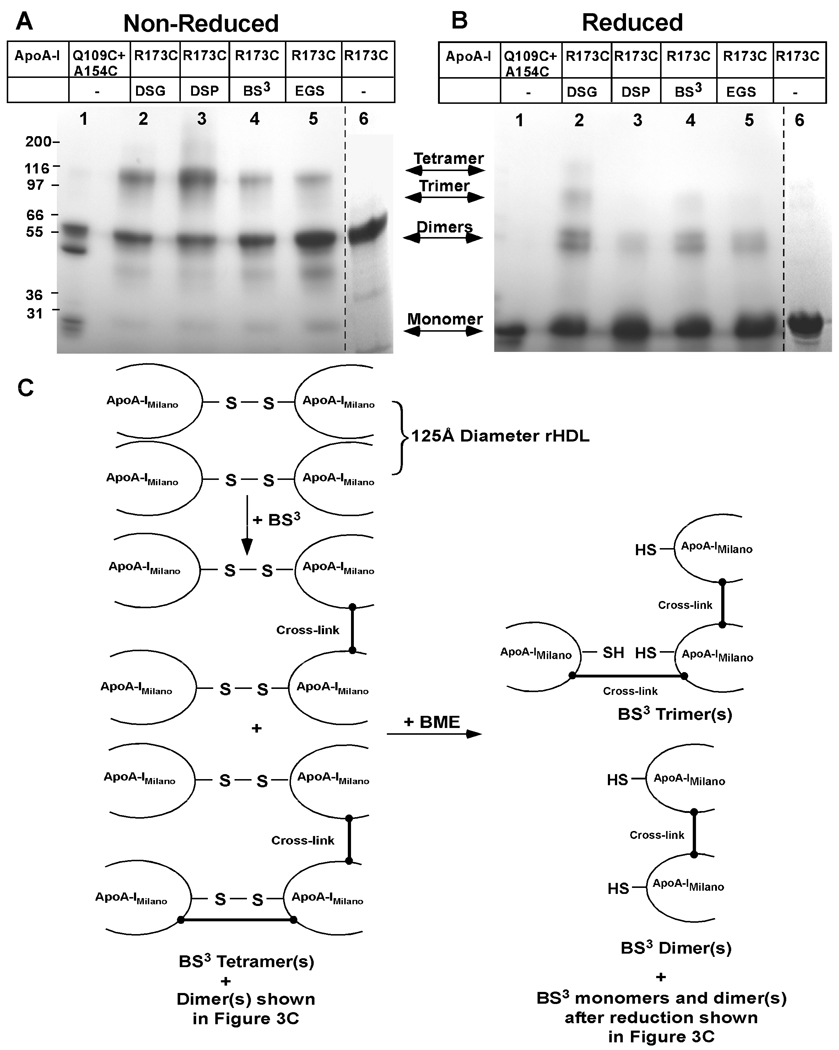
FIGURE 4. 4–30% Gradient SDS PAGE Analysis of Cross-linked 125Å Diameter POPC:ApoA-IMilano rHDL
Panel A shows migration under non-reducing conditions. Panel B shows migration under reducing conditions after treatment with βME. Lane 1 shows the positional specific migration of a mixture of Q109C and A154C apoA-I homodimers (25). Lanes 2–5 show 125Å diameter POPC:apoA-IMilano treated with DSG (Lane 2), DSP (Lane 3) BS3 (Lane 4), and EGS (Lane 5). Lane 6 contains uncrosslinked apoA-IMilano. All samples were treated with 10:1 cross-linker to protein for 5 min at 37 °C, as described under “Experimental Procedures.” The dashed lines indicate that lanes have been added or removed. Lane 6 from another SDS PAGE analysis was added to the figure to show the migration of dimeric apoA-IMilano. Panel C, illustrates the pattern of cross-linking for 125Å diameter rHDL particles containing 2 disulfide-linked dimers of apoA-IMilano. Note, that in the absence of inter-particle cross-linking only the 125Å diameter rHDL particle can generate a product that is composed of 4 cross-linked apoA-IMilano, a tetramer. Red and blue line colors suggest that some lysine-lysine cross-links may be unique to the 125Å diameter rHDL.
FIGURE 5
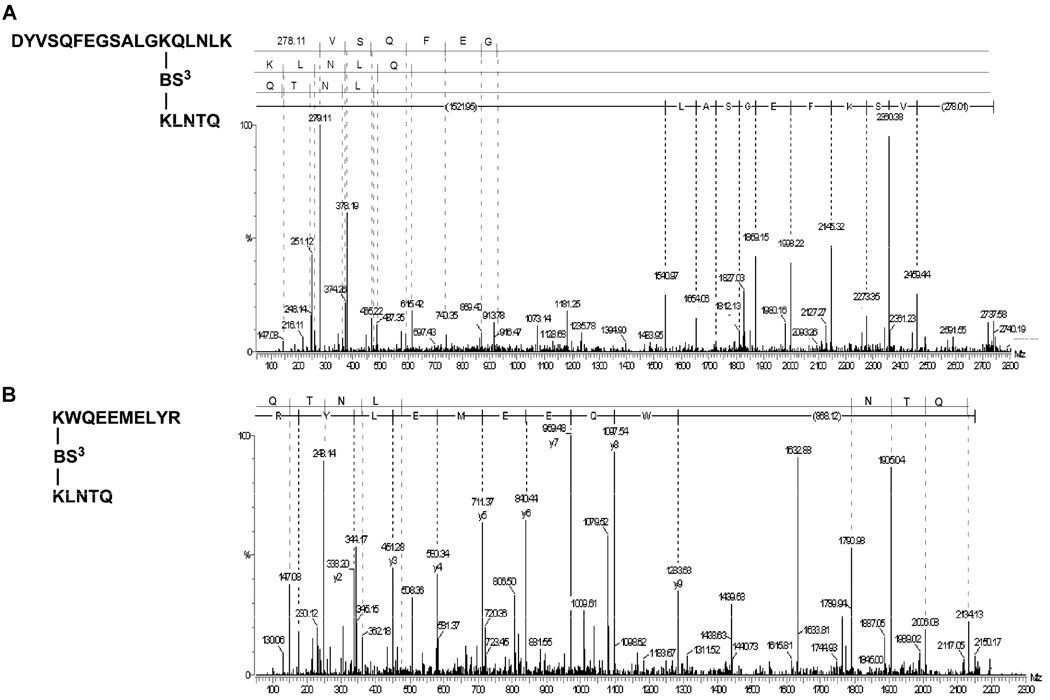
FIGURE 5. Verification of Q-TOF-MS/MS Spectrum
Panel A shows the Q-TOF-MS/MS spectrum of the T5–6/T35–36 (lysines 40–239) cross-linked peptide from 78Å diameter rHDL treated with BS3. The MS/MS spectrum was obtained from the triply charged ion having m/z = 913.14 that gives a singly protonated mass of 2737.4348 Da. Panel B shows the Q-TOF-MS/MS spectrum of T15–16/T35–36 (lysines 107–239) peptide cross-link from 125Å diameter rHDL treated with BS3. The MS/MS spectrum was obtained from the triply charged ion having m/z = 718.02 and a singly protonated mass of 2152.0525 Da. The sequences are shown using single letter abbreviations for the amino acids. y-Series start with either K or R. Details are reported in the section on “Experimental Procedures.”
FIGURE 6
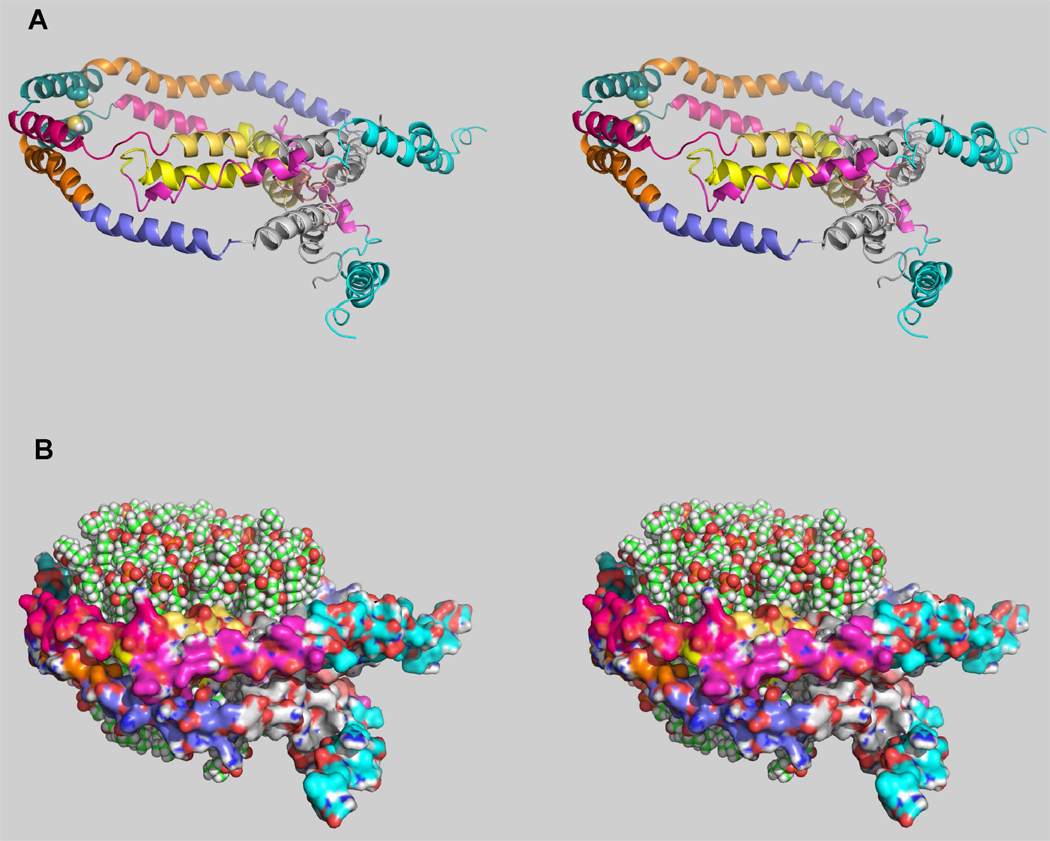
FIGURE 6. Conformation for Dimeric ApoA-IMilano on a 78Å Diameter POPC rHDL Particle
Panels A and B show three the 3-dimensional conformation for 1 dimer of apoA-IMilano bound to 78Å diameter POPC rHDL particle. MS/MS sequenced cross-links (Table 1) were used as molecular constraints for modeling the lipid-bound conformation of dimeric apoA-IMilano on 78 Å particles. Panel A, shows dimeric apoA-IMilano is locked by a single cysteine-cysteine disulfide bond at position 173 on each monomer. Although the structure resembles the antiparallel “belt-like” conformation as has been reported for 80Å apoA-IWT on POPC rHDL (25), the C-terminal end of each monomer does not fold back on itself as it does for apoA-IWT, but instead the C-terminal end wraps around the periphery. Each helical region is shown in a different color. Panel B, shows the bilayer contains 76 molecules of POPC and the model was generated using the membrane plugin, version 1.1, by I. Balabin available in VMD version 1.8.7 (53). Protein is shown as a surface for simplicity.
FIGURE 7
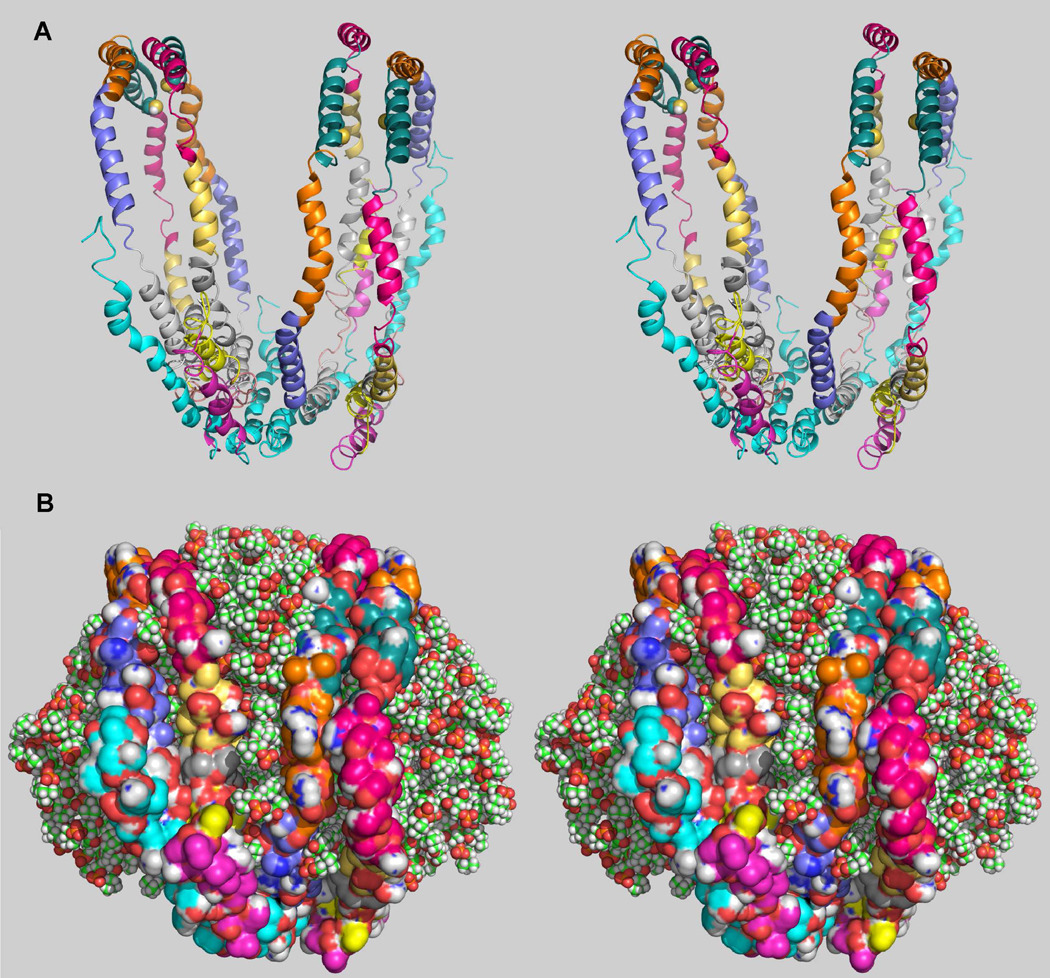
FIGURE 7. Conformation for 125Å Diameter POPC rHDL Particle Containing 2 Dimers of ApoA-IMilano
Panels A and B show three the 3-dimensional conformation for 2 molecules of dimeric apoA-IMilano bound to 125Å diameter POPC rHDL particle. MS/MS sequenced cross-links (Table 2) were used as molecular constraints for modeling the lipid-bound conformation of dimeric apoA-IMilano. Panel A, each of the 2 dimeric apoA-IMilano is locked by a single cysteine-cysteine disulfide bond at position 173. Each helical region is shown in a different color. Panel B, shows the bilayer contains 209 molecules of POPC and the model was generated using the membrane plugin, version 1.1, by I. Balabin available in VMD version 1.8.7 (53). Each apoA-IMilano monomer within a dimer is shown as a surface for simplicity.

References

    1. Yancey PG, Bortnick AE, Kellner-Weibel G, De La Llera-Moya M, Phillips MC, Rothblat GH. Importance of Different Pathways of Cellular Cholesterol Efflux. Arterioscler Thromb Vasc Biol. 2003;23:712–719. - PubMed
    1. Libby P. Managing the risk of atherosclerosis: The role of high-density lipoprotein. Am. J. Card. 2001;88:3N–8N. - PubMed
    1. Kwiterovich PO. The antiatherogenic role of high-density lipoprotein cholesterol. Am. J. Cardiol. 1998;82:13Q–21Q. - PubMed
    1. Boden WE. High-density lipoprotein cholesterol as an independent risk factor in cardiovascular disease: Assessing the data from Framingham to the Veterans Affairs high-density lipoprotein intervention trial. Am. J. Card. 2000;86:19L–22L. - PubMed
    1. Harper CR, Jacobson TA. New perspectives on the management of low levels of high-density lipoprotein cholesterol. Arch.Intern.Med. 1999;159:1049–1057. - PubMed

Publication types