


beta-Endorphin expression in the mouse retina
- PMID: 20533364
- PMCID: PMC3095846
- DOI: 10.1002/cne.22387
beta-Endorphin expression in the mouse retina
Abstract
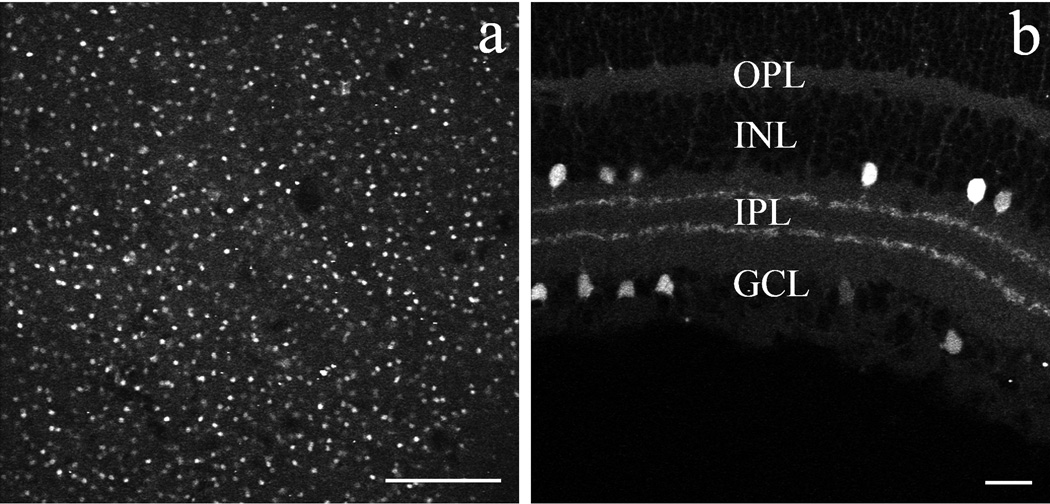
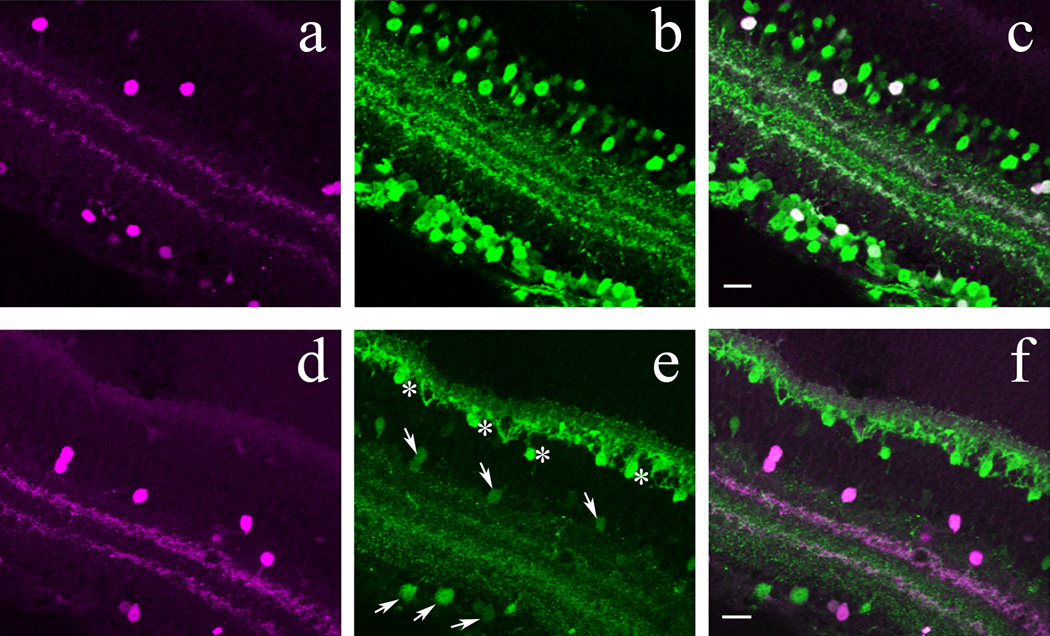
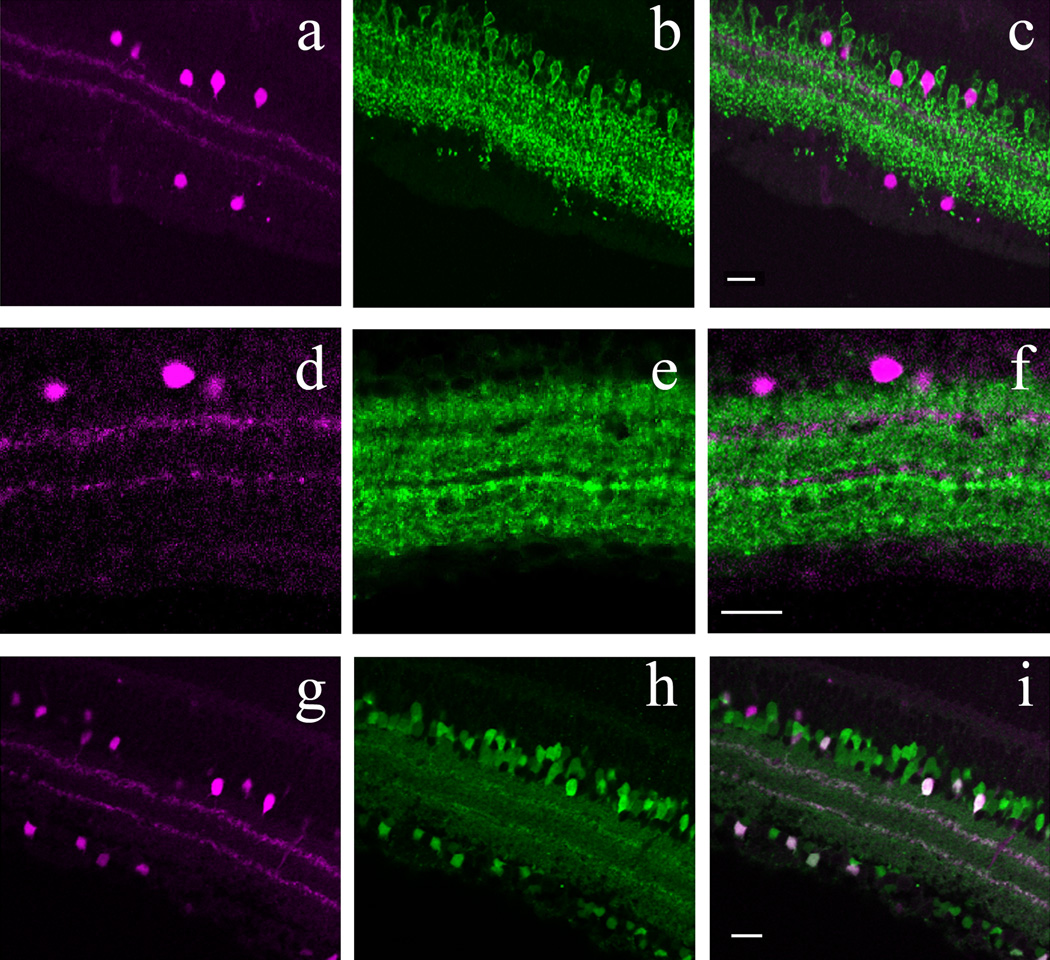
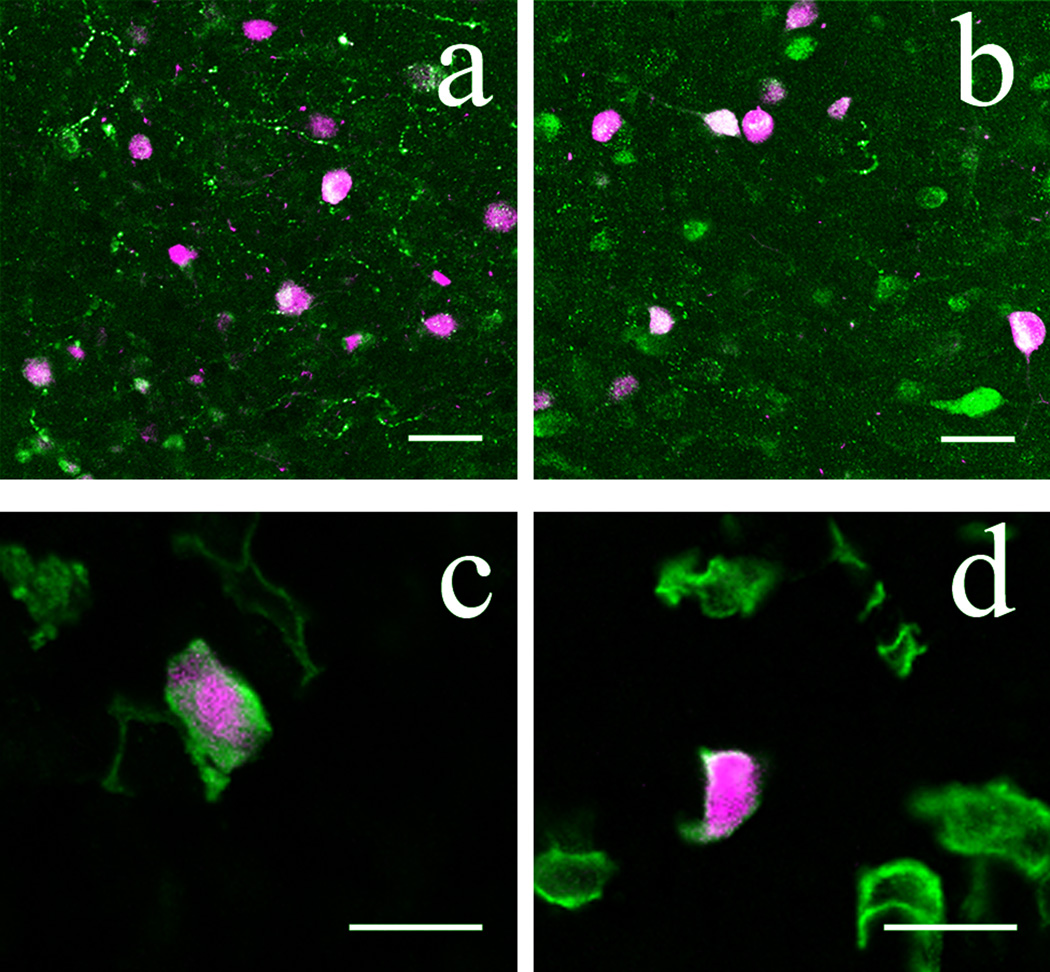
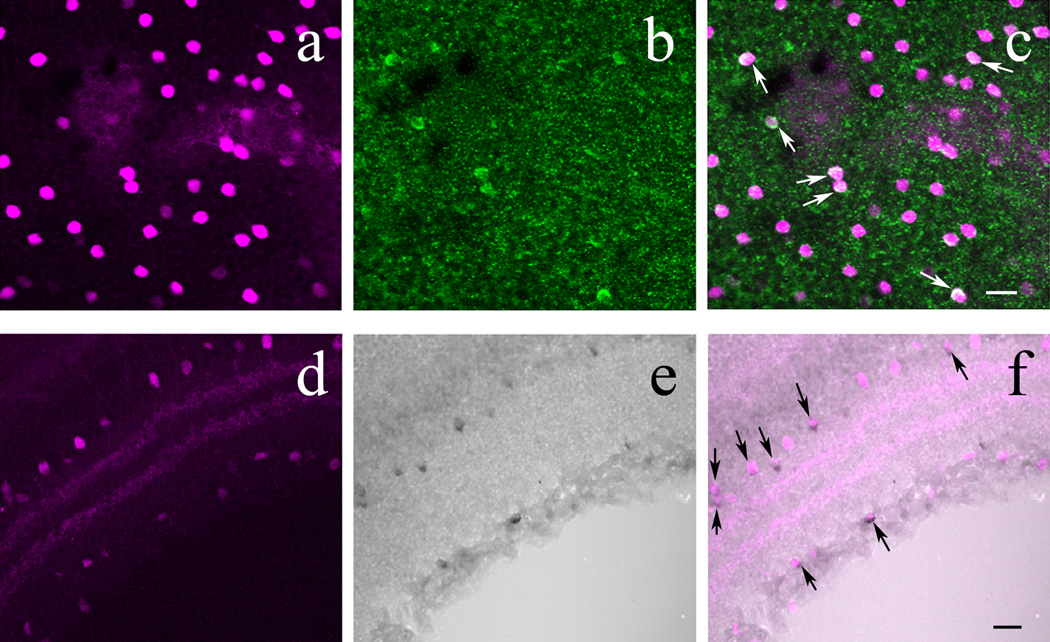
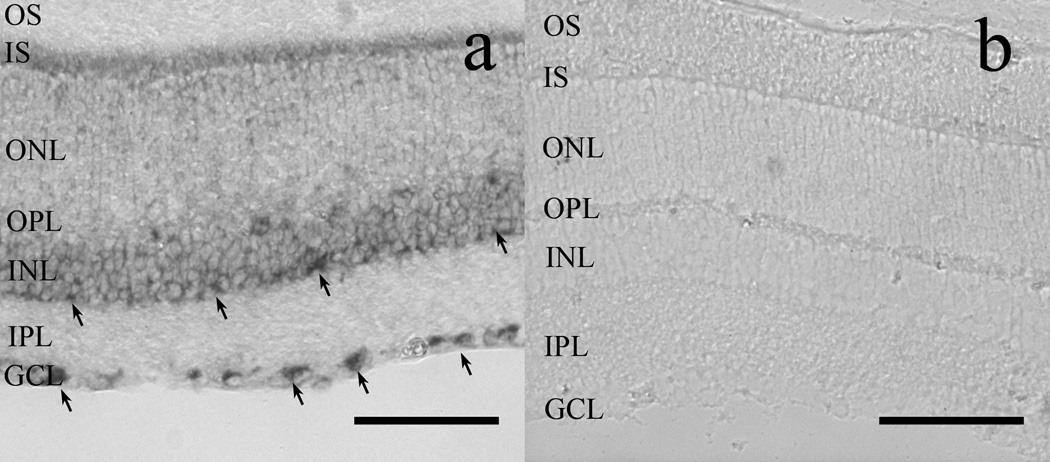
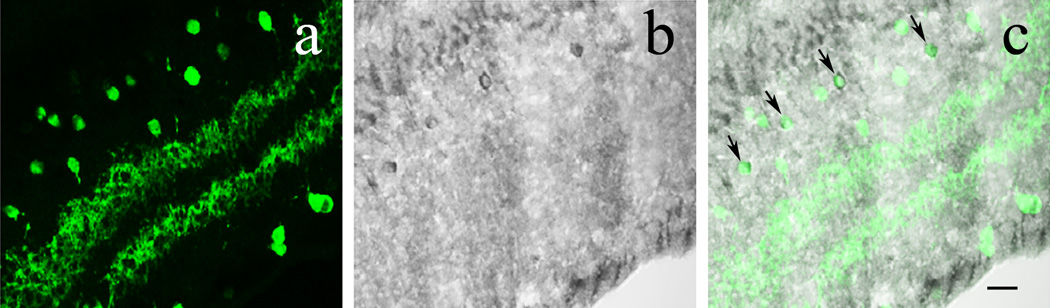
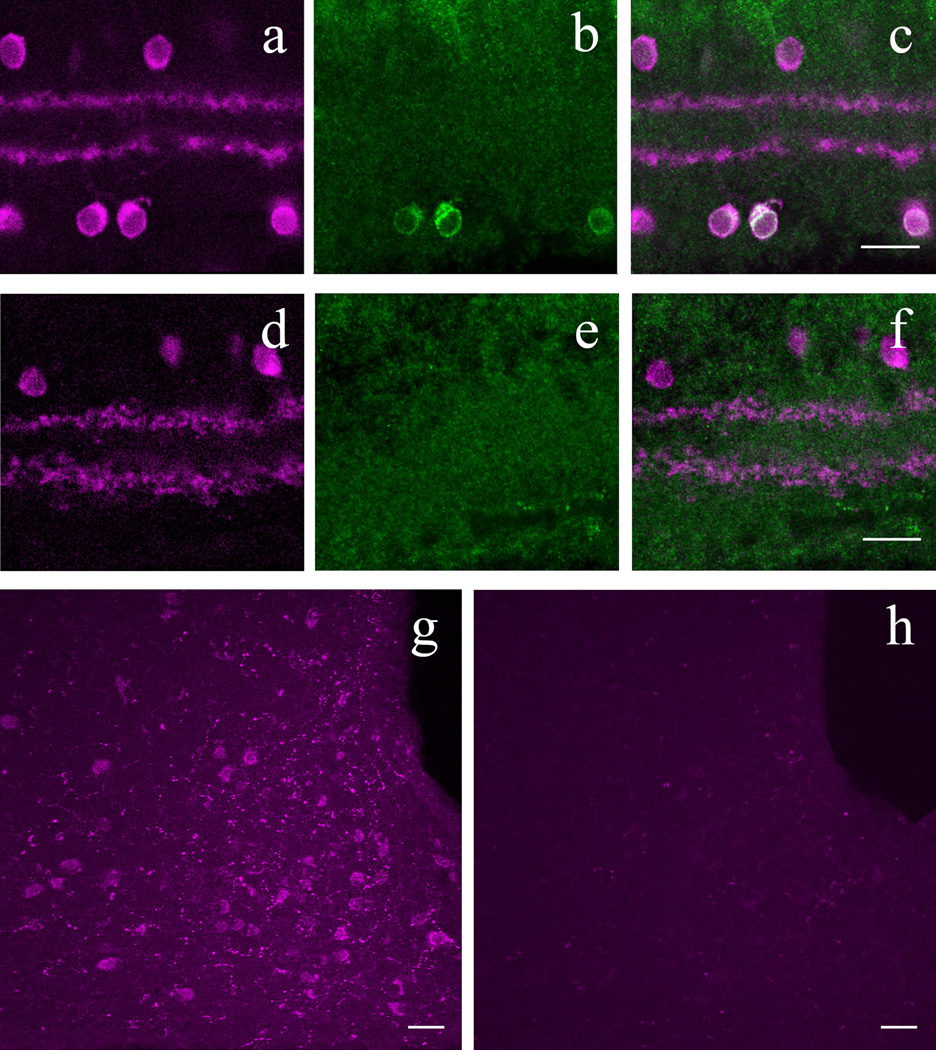
Evidence showing expression of endogenous opioids in the mammalian retina is sparse. In the present study we examined a transgenic mouse line expressing an obligate dimerized form of Discosoma red fluorescent protein (DsRed) under the control of the pro-opiomelanocortin promoter and distal upstream regulatory elements to assess whether pro-opiomelanocortin peptide (POMC), and its opioid cleavage product, beta-endorphin, are expressed in the mouse retina. Using double label immunohistochemistry we found that DsRed fluorescence was restricted to a subset of GAD-67-positive cholinergic amacrine cells of both orthotopic and displaced subtypes. About 50% of cholinergic amacrine cells colocalized DsRed and a large fraction of DsRed-expressing amacrine cells was positive for beta-endorphin immunostaining, whereas beta-endorphin-immunoreactive neurons were absent in retinas of POMC null mice. Our findings contribute to a growing body of evidence demonstrating that opioid peptides are an integral component of vertebrate retinas, including those of mammals.
(c) 2010 Wiley-Liss, Inc.
Conflict of interest statement
Authors declare no financial conflict of interest.
Figures

References
-
- Andrade da Costa BL, Hokoc JN. Coexistence of GAD-65 and GAD-67 with tyrosine hydroxylase and nitric oxide synthase in amacrine and interplexiform cells of the primate, Cebus apella. Vis Neurosci. 2003;20(2):153–163. - PubMed
-
- Bicknell AB. The tissue-specific processing of pro-opiomelanocortin. J Neuroendocrinol. 2008;20(6):692–699. - PubMed
-
- Borbe HO, Wollert U, Muller WE. Stereospecific [3H]naloxone binding associated with opiate receptors in bovine retina. Exp Eye Res. 1982;34(4):539–544. - PubMed
-
- Brecha NC. Peptide and peptide receptor expression and function in the vertebrate retina. In: Chalupa, Werner, editors. The visual neurosciences. Cambridge, Massatchusetts: The MIT Press; 2003. pp. 334–354.
Publication types
MeSH terms
Substances
Grants and funding
LinkOut - more resources
Full Text Sources
Molecular Biology Databases
Miscellaneous
