


A randomized controlled trial of Structural Ecosystems Therapy for HIV medication adherence and substance abuse relapse prevention
- PMID: 20538417
- PMCID: PMC2950218
- DOI: 10.1016/j.drugalcdep.2010.04.017
A randomized controlled trial of Structural Ecosystems Therapy for HIV medication adherence and substance abuse relapse prevention
Abstract
Background: Substance abuse in women with HIV/AIDS overshadows other priorities, including health care. Substance abuse may cause women to avoid health care systems and not adhere to their medication regimen.
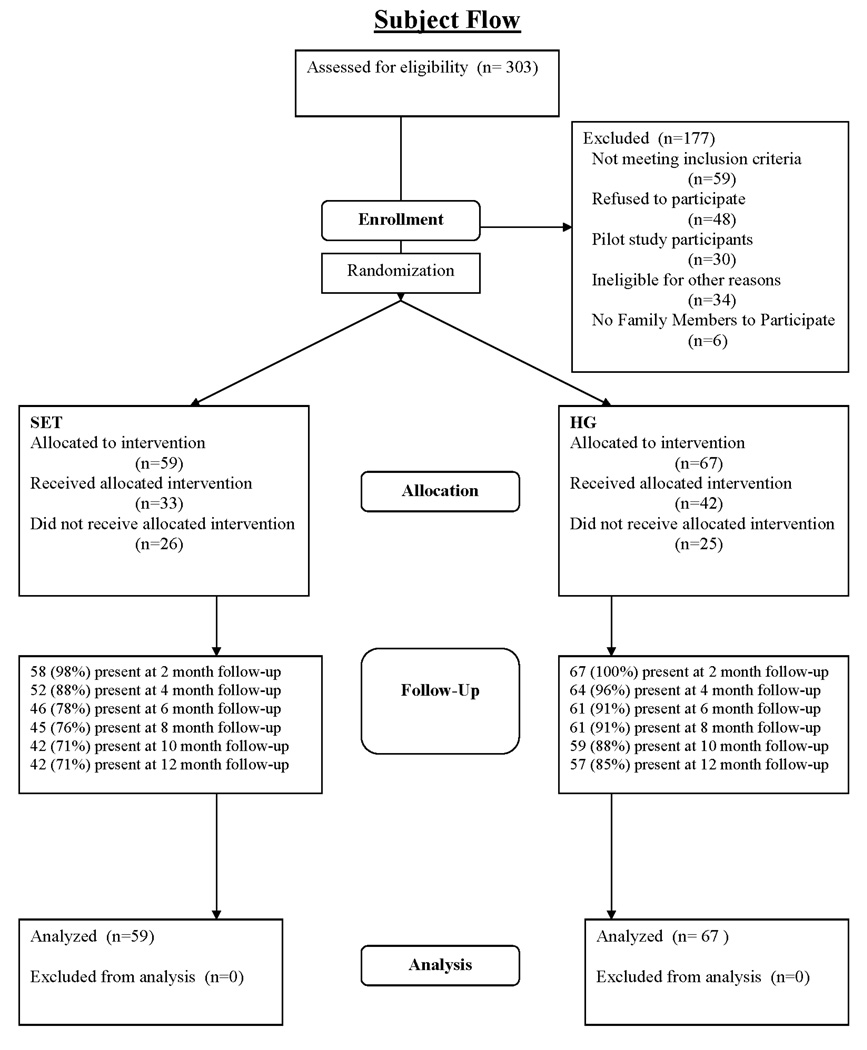
Methods: A randomized controlled trial tested the efficacy of Structural Ecosystems Therapy (SET) relative to a psychoeducational Health Group (HG) in 126 HIV+ women in recovery. SET, a 4-month intervention, focused on building family support for relapse prevention and HIV medication adherence. Over 12-month follow-up, women were assessed for drug use and medication adherence every 2 months; CD4 T-cell count and HIV viral load were assessed every 4 months.
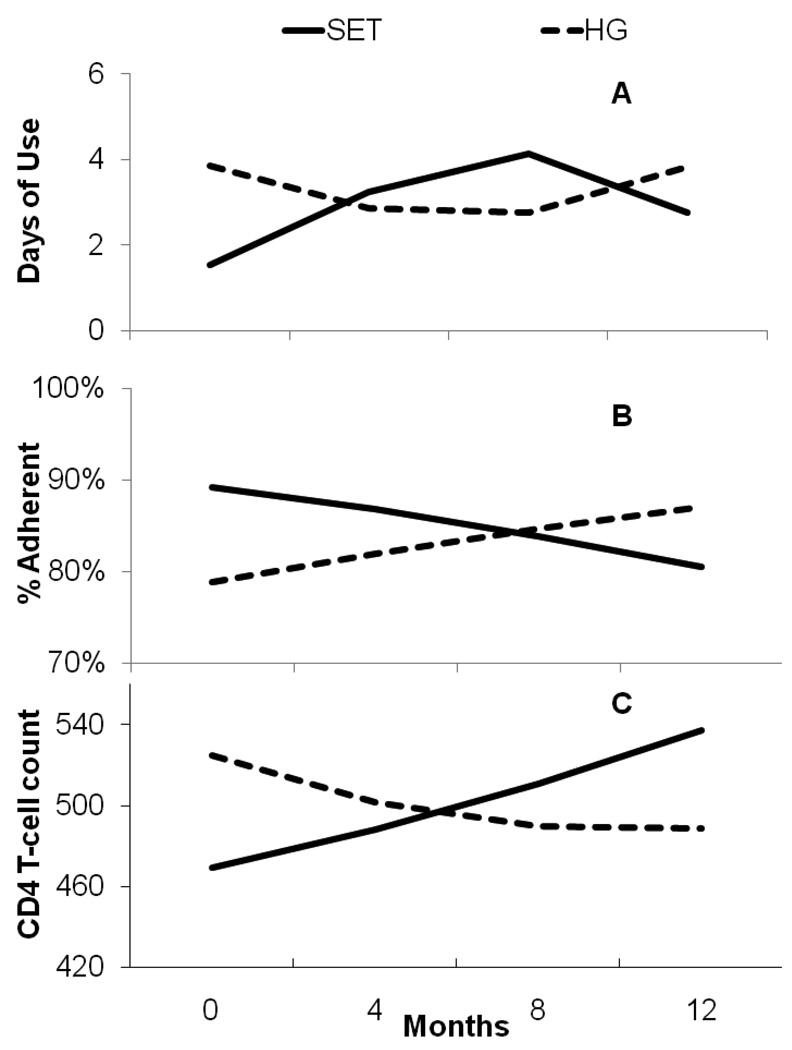
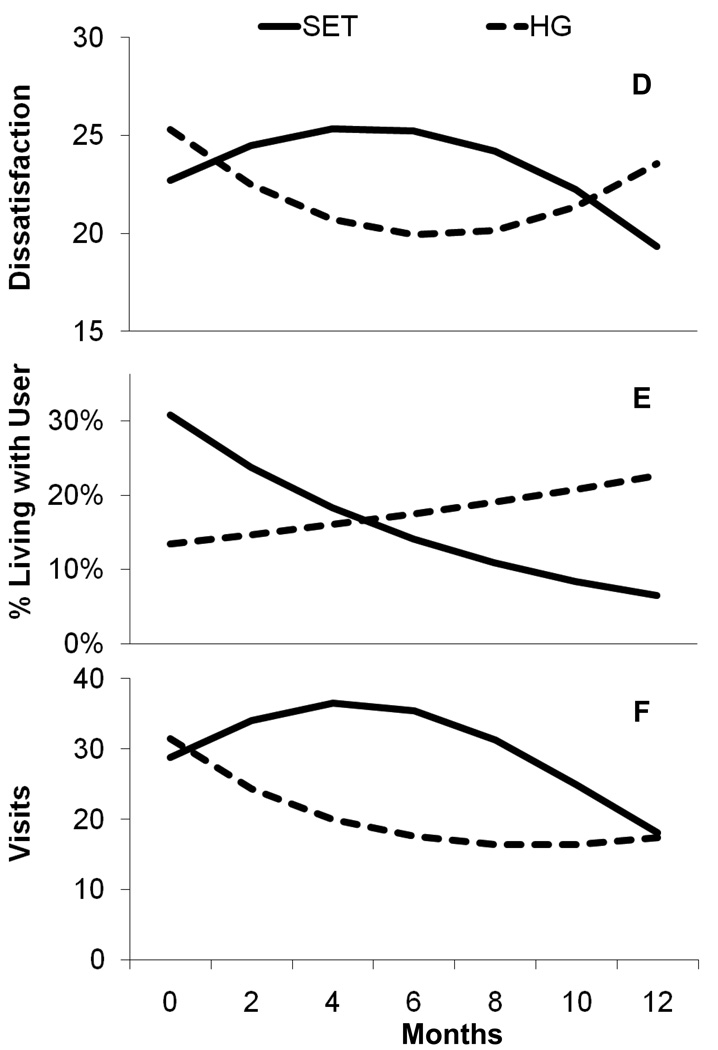
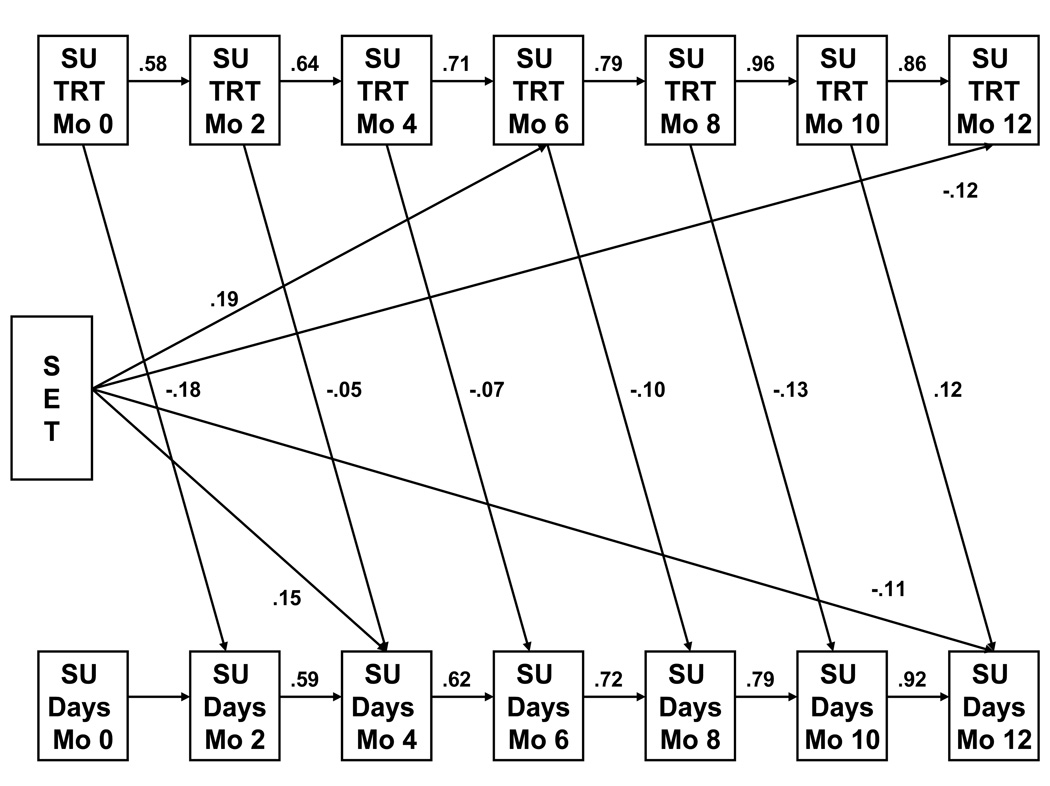
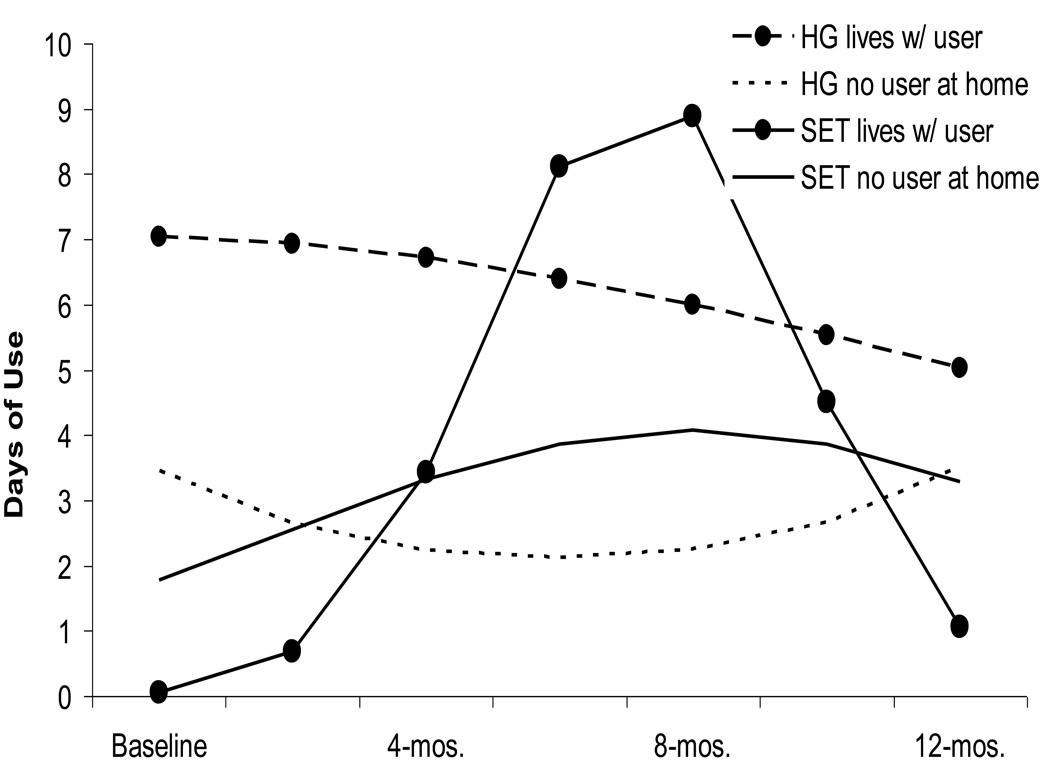
Results: Levels of drug use did not differ by condition. There was a significant difference in curvature of the rates of change in drug use with SET increasing and then decreasing and HG decreasing and then increasing. Women in SET were more likely to increase substance abuse services in response to relapse and separate from drug using household members than were women in HG. These two changes explained the decline in drug use observed within SET between 6 and 12 months. SET showed declines in medication adherence but increases in CD4 T-cell count relative to HG. The increase in CD4 T-cell count in SET was related to increasing proportions of women in SET taking antiretroviral medications.
Conclusion: The results of the trial were mixed. Women in SET did not show better drug use or medication adherence outcomes, but did show improvement in CD4 T-cell count and theoretical mechanisms of action on drug relapse.
Copyright © 2010 Elsevier Ireland Ltd. All rights reserved.
Figures
References
-
- Atkins DC, Gallop RJ. Rethinking how family researchers model infrequent outcomes: A tutorial on count regression and zero-inflated models. Journal of Family Psychology. 2007;21:726–735. - PubMed
-
- Baker SA, Beadnell B, Stoner S, Morrison DM, Gordon J, Collier C, Knox K, Wickizer L, Stielstra S. Skills training versus health education to prevent STDs/HIV in heterosexual women: A randomized controlled trial utilizing biological outcomes. AIDS Education and Prevention. 2003;15(1):1–14. - PubMed
-
- Bangsberg DR. Less than 95% adherence to nonnucleoside reverse transcriptase inhibitor therapy can lead to viral suppression. Clinical Infectious Diseases. 2006;43:939–941. - PubMed
-
- Bogart LM, Kelly JA, Catz SL, Sosman JM. Impact of medical and non-medical factors on physician decision making for HIV/AIDS antiretroviral treatment. Journal of Acquired Immunodeficiency Syndromes. 2000;23:396–404. - PubMed
-
- Boyd-Franklin N. Black families in therapy. NY: Guilford Press; 1989.
Publication types
MeSH terms
Substances
Grants and funding
LinkOut - more resources
Full Text Sources
Medical
Research Materials
