


Three dimensional optical coherence tomography imaging: advantages and advances
- PMID: 20542136
- PMCID: PMC2962728
- DOI: 10.1016/j.preteyeres.2010.05.005
Three dimensional optical coherence tomography imaging: advantages and advances
Abstract
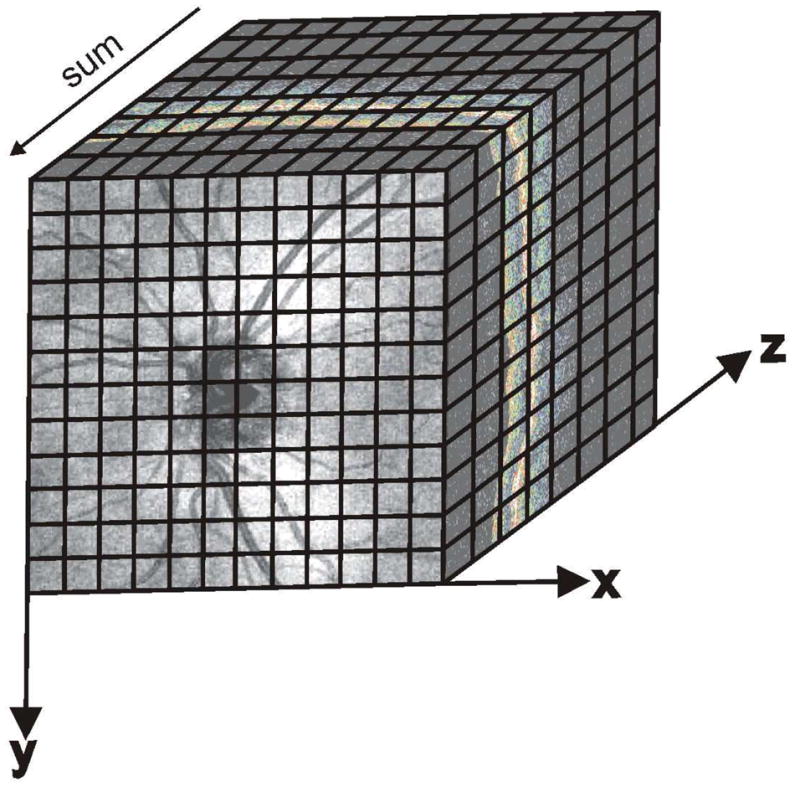
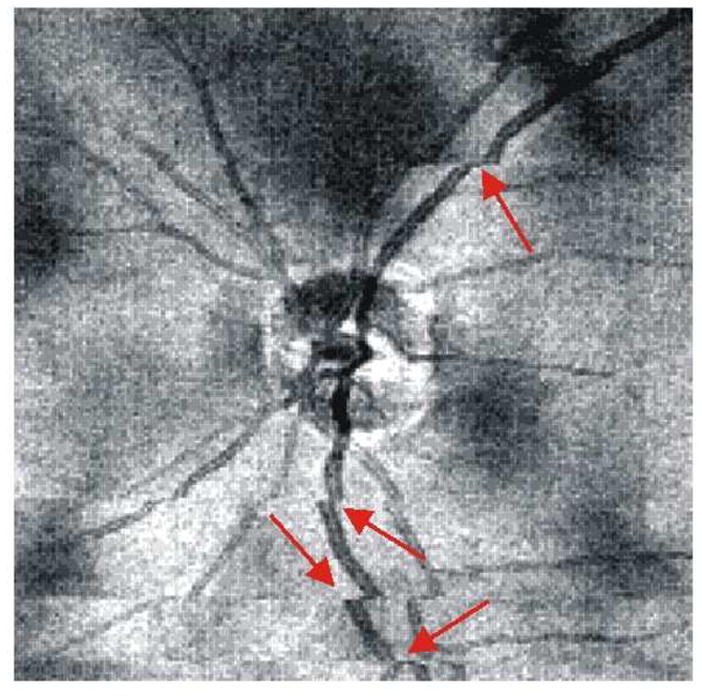
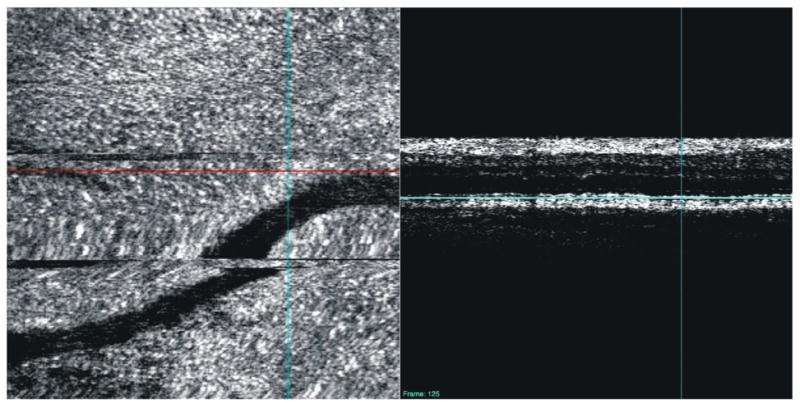
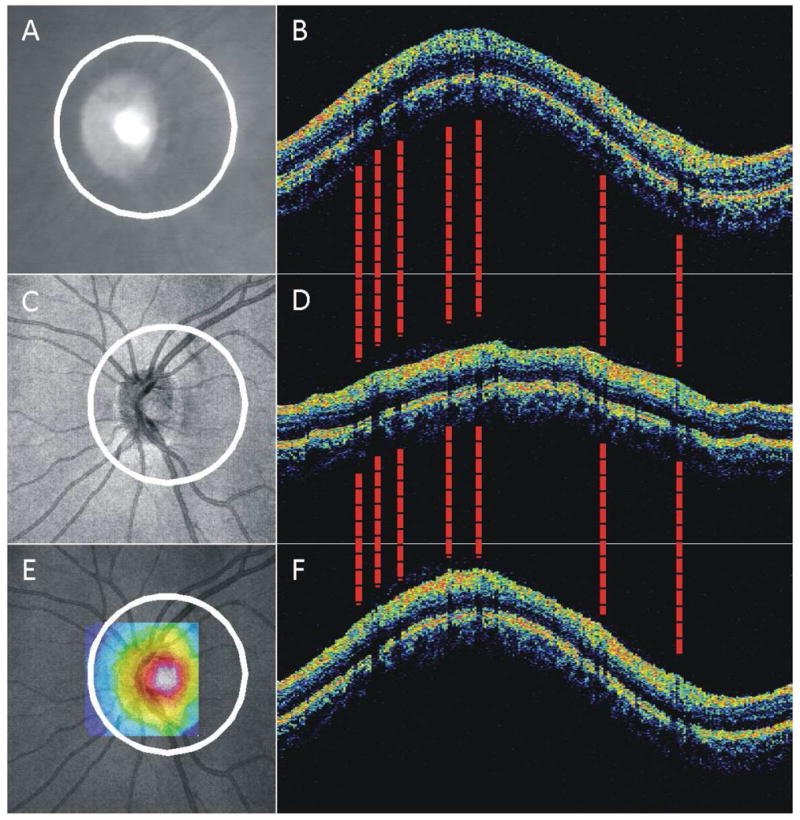
Three dimensional (3D) ophthalmic imaging using optical coherence tomography (OCT) has revolutionized assessment of the eye, the retina in particular. Recent technological improvements have made the acquisition of 3D-OCT datasets feasible. However, while volumetric data can improve disease diagnosis and follow-up, novel image analysis techniques are now necessary in order to process the dense 3D-OCT dataset. Fundamental software improvements include methods for correcting subject eye motion, segmenting structures or volumes of interest, extracting relevant data post hoc and signal averaging to improve delineation of retinal layers. In addition, innovative methods for image display, such as C-mode sectioning, provide a unique viewing perspective and may improve interpretation of OCT images of pathologic structures. While all of these methods are being developed, most remain in an immature state. This review describes the current status of 3D-OCT scanning and interpretation, and discusses the need for standardization of clinical protocols as well as the potential benefits of 3D-OCT scanning that could come when software methods for fully exploiting these rich datasets are available clinically. The implications of new image analysis approaches include improved reproducibility of measurements garnered from 3D-OCT, which may then help improve disease discrimination and progression detection. In addition, 3D-OCT offers the potential for preoperative surgical planning and intraoperative surgical guidance.
Copyright © 2010 Elsevier Ltd. All rights reserved.
Conflict of interest statement
Conflict of Interest Disclosures: Dr. Wollstein received research funding from Carl Zeiss Meditec and Optovue. Drs. Wollstein, Ishikawa, Xu, Kim and Schuman have intellectual property licensed by the University of Pittsburgh to Bioptigen. Dr. Schuman received royalties for intellectual property licensed by Massachusetts Institute of Technology to Carl Zeiss Meditec.
Figures
References
-
- Arichika S, Hangai M, Yoshimura N. Correlation between thickening of the inner and outer retina and visual acuity in patients with epiretinal membrane. Retina. 2010;30:503–508. - PubMed
-
- Bernardes R, Santos T, Cunha-Vaz J. Increased-resolution OCT thickness mapping of the human macula: a statistically based registration. Invest Ophthalmol Vis Sci. 2008;49:2046–2052. - PubMed
-
- Boppart SA, Herrmann J, Pitris C, Stamper DL, Brezinski ME, Fujimoto JG. High-resolution optical coherence tomography-guided laser ablation of surgical tissue. J Surg Res. 1999;82:275–284. - PubMed
Publication types
MeSH terms
Grants and funding
LinkOut - more resources
Full Text Sources
Medical
