


Influence of resistance exercise on lean body mass in aging adults: a meta-analysis
- PMID: 20543750
- PMCID: PMC2995836
- DOI: 10.1249/MSS.0b013e3181eb6265
Influence of resistance exercise on lean body mass in aging adults: a meta-analysis
Abstract
Purpose: sarcopenia plays a principal role in the pathogenesis of frailty and functional impairment that occur with aging. There are few published accounts that examine the overall benefit of resistance exercise (RE) for lean body mass (LBM) while considering a continuum of dosage schemes and/or age ranges. Therefore, the purpose of this meta-analysis was to determine the effects of RE on LBM in older men and women while taking these factors into consideration.
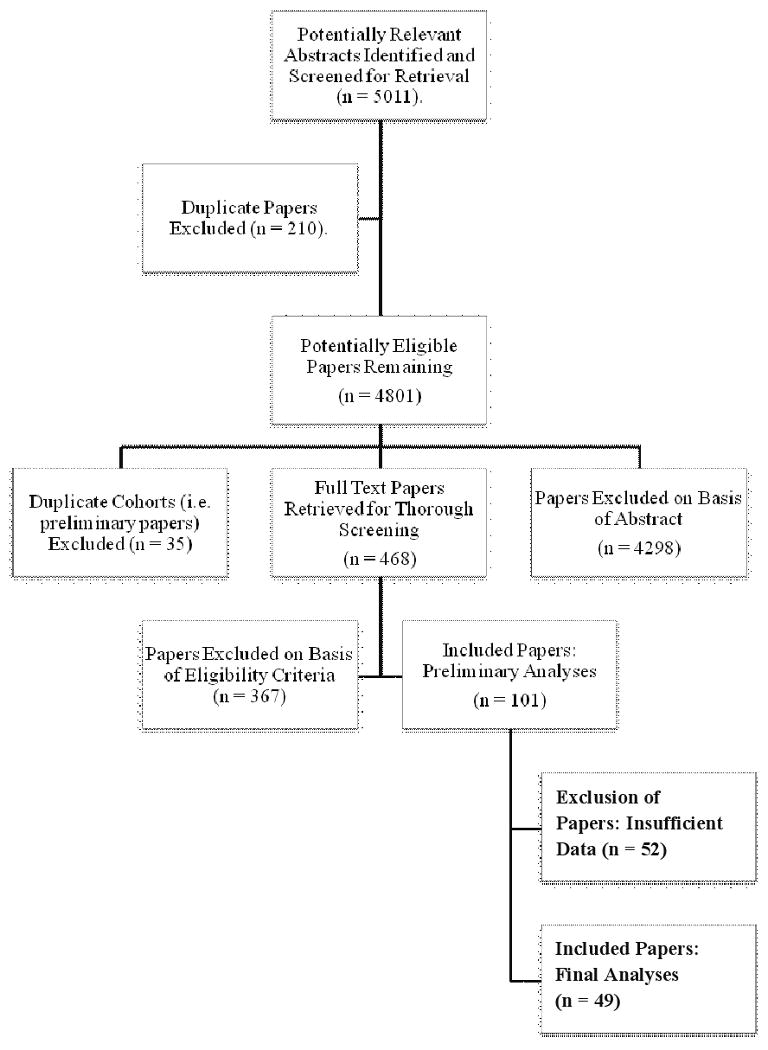
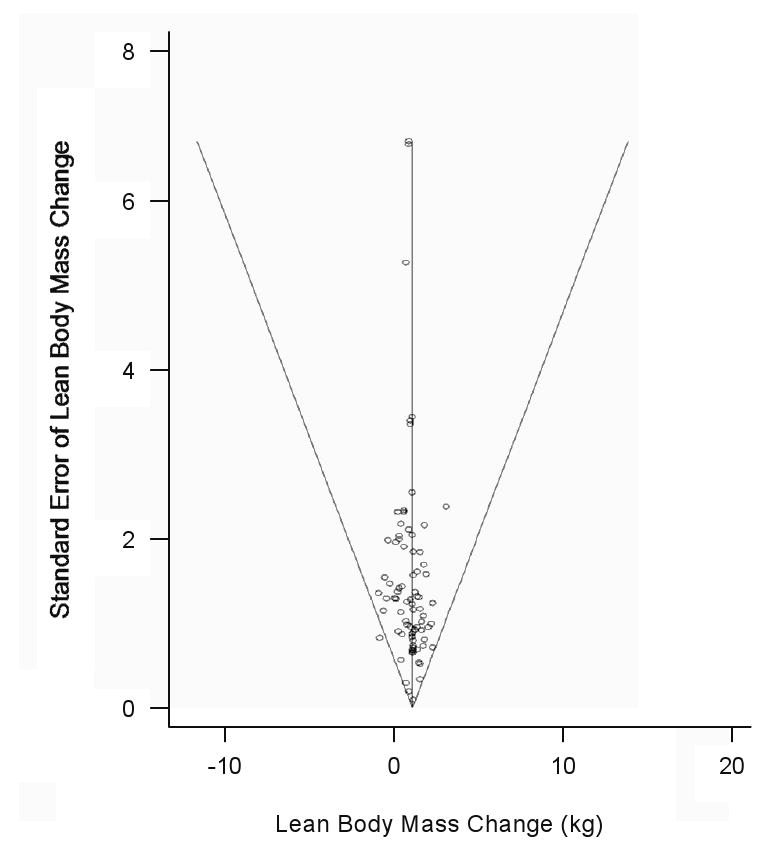
Methods: this study followed the Preferred Reporting Items for Systematic Reviews and Meta-Analyses recommendations. Randomized controlled trials and randomized or nonrandomized studies among adults ≥ 50 yr were included. Heterogeneity between studies was assessed using the Cochran Q and the I statistics, and publication bias was evaluated through physical inspection of funnel plots as well as formal rank-correlation statistics. Mixed-effects meta-regression was incorporated to assess the relationship between RE dosage and changes in LBM.
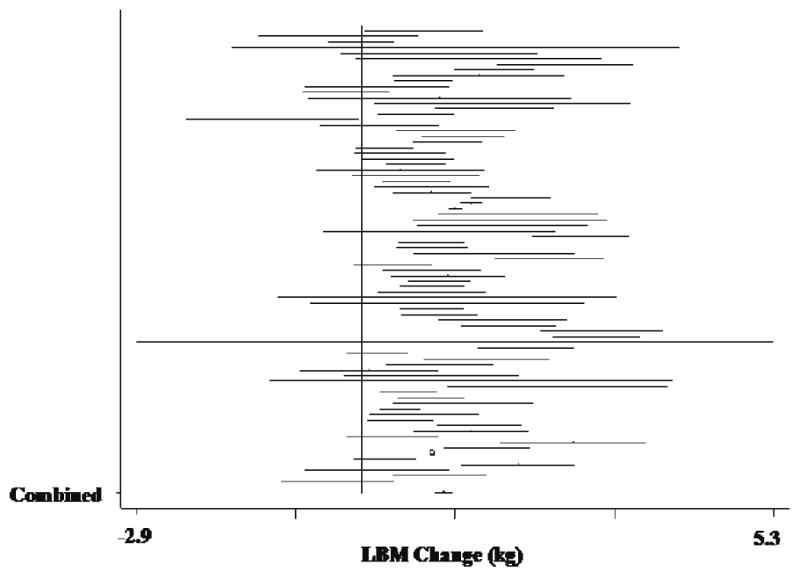
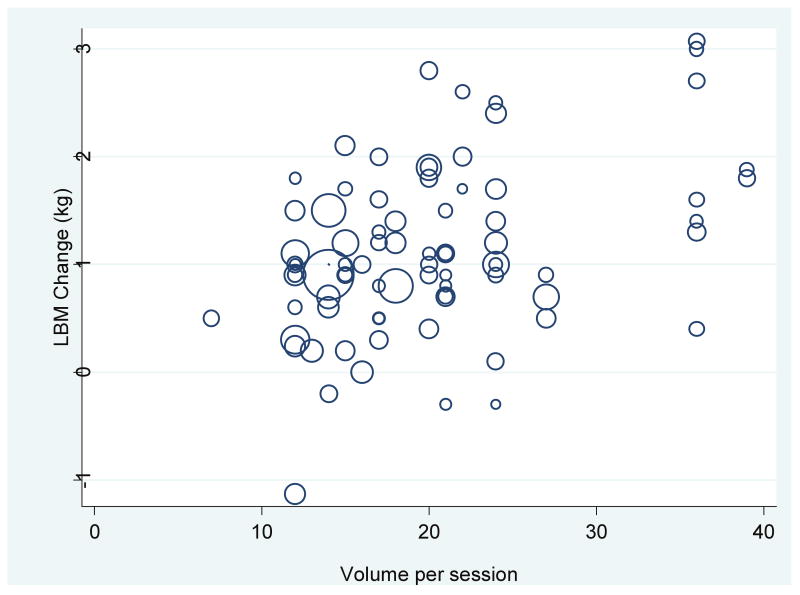
Results: data from 49 studies, representing a total of 1328 participants, were pooled using random-effect models. Results demonstrated a positive effect for LBM, and there was no evidence of publication bias. The Cochran Q statistic for heterogeneity was 497.8, which was significant (P < 0.01). Likewise, I was equal to 84%, representing rejection of the null hypothesis of homogeneity. The weighted pooled estimate of mean LBM change was 1.1 kg (95% confidence interval = 0.9-1.2 kg). Meta-regression revealed that higher-volume interventions were associated (β = 0.05, P < 0.01) with significantly greater increases in LBM, whereas older individuals experienced less increase (β = -0.03, P = 0.01).
Conclusions: RE is effective for eliciting gains in LBM among aging adults, particularly with higher-volume programs. Findings suggest that RE participation earlier in life may provide superior effectiveness.
Conflict of interest statement
Figures
References
-
- ACSM. American College of Sports Medicine Position Stand. Exercise and physical activity for older adults. Med Sci Sports Exerc. 1998;30:992–1008. - PubMed
-
- ACSM. American College of Sports Medicine Position Stand. The recommended quantity and quality of exercise for developing and maintaining cardiorespiratory and muscular fitness, and flexibility in healthy adults. Med Sci Sports Exerc. 1998;30:975–991. - PubMed
-
- ACSM. American College of Sports Medicine position stand. Progression models in resistance training for healthy adults. Med Sci Sports Exerc. 2009;41:687–708. - PubMed
-
- Ades PA, Ballor DL, Ashikaga T, Utton JL, Nair KS. Weight training improves walking endurance in healthy elderly persons. Ann Intern Med. 1996;124:568–572. - PubMed
-
- Ades PA, Savage PD, Brochu M, Tischler MD, Lee NM, Poehlman ET. Resistance training increases total daily energy expenditure in disabled older women with coronary heart disease. J Appl Physiol. 2005;98:1280–1285. - PubMed
Publication types
MeSH terms
Grants and funding
LinkOut - more resources
Full Text Sources
Other Literature Sources
Medical
