Review
. 2010 May;2(5):757-74.
doi: 10.4155/fmc.10.179.

Small-molecule modulators of inward rectifier K+ channels: recent advances and future possibilities

Affiliations
Review

Small-molecule modulators of inward rectifier K+ channels: recent advances and future possibilities

Gautam Bhave et al. Future Med Chem. 2010 May.

Abstract

Inward rectifier potassium (Kir) channels have been postulated as therapeutic targets for several common disorders including hypertension, cardiac arrhythmias and pain. With few exceptions, however, the small-molecule pharmacology of this family is limited to nonselective cardiovascular and neurologic drugs with off-target activity toward inward rectifiers. Consequently, the actual therapeutic potential and 'drugability' of most Kir channels has not yet been determined experimentally. The purpose of this review is to provide a comprehensive summary of publicly disclosed Kir channel small-molecule modulators and highlight recent targeted drug-discovery efforts toward Kir1.1 and Kir2.1. The review concludes with a brief speculation on how the field of Kir channel pharmacology will develop over the coming years and a discussion of the increasingly important role academic laboratories will play in this progress.


Figures
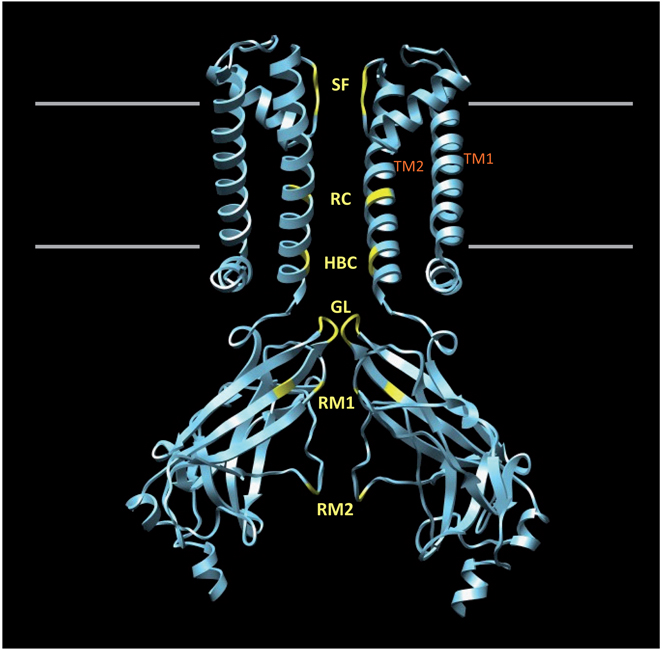
Figure 1
Figure 1. Structural model of an inward rectifier potassium channel
A homology model of the Kir1.1 channel cytoplasmic domain has been docked to the membrane-spanning portion of a Kir3.1–KirBac1.3 channel chimera [11]. Regions of the channel backbone important for channel function, rectification and small-molecule binding are highlighted. GL: Gating loop; HBC: Helix bundle crossing; RC: Rectification controller; RM: Rectification modulator; SF: Selectivity filter; TM1 and 2: Transmembrane domains 1 and 2.
Figure 2
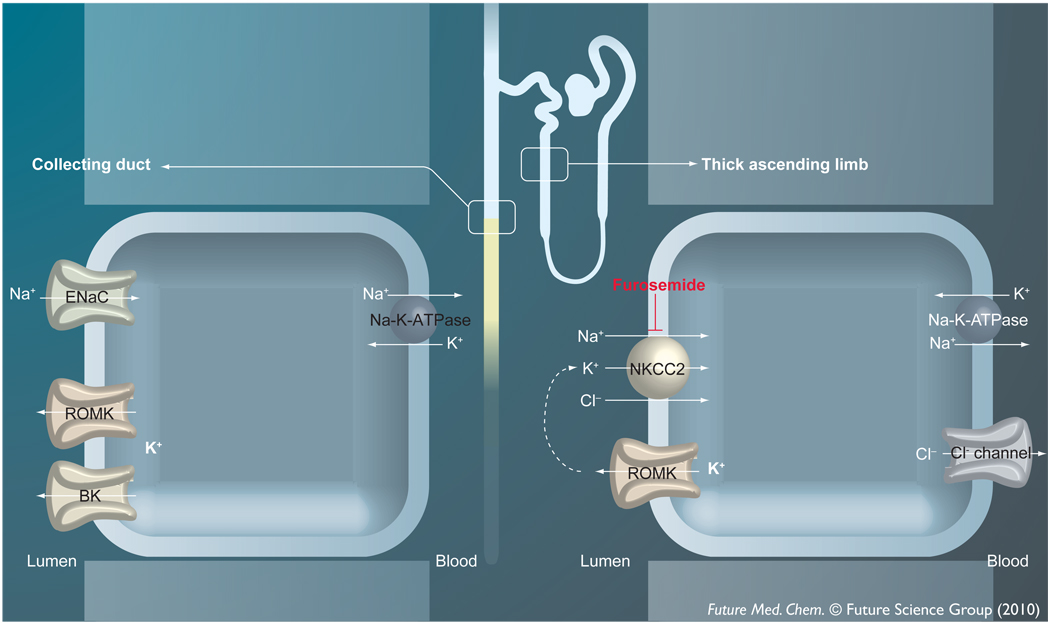
Figure 2. Major functions of ROMK in the kidney tubule
In the thick ascending limb of Henle’s loop, ROMK provides substrate K+ ions essential for transepithelial NaCl reabsorption by NKCC2. NaCl reabsorption generates a hypertonic interstitium that promotes osmotic water reabsorption in the distal nephron. In the collecting duct, ROMK constitutes a key physiological pathway for K+ secretion into the urinary fltrate. See text for additional details. BK: Big or large conductance calcium-activated K+ channel; ENaC: Epithelial Na+ channel; NKCC2: Na+-K+-2Cl co-transporter; ROMK: Renal outer medullary K+ channel.
Figure 3
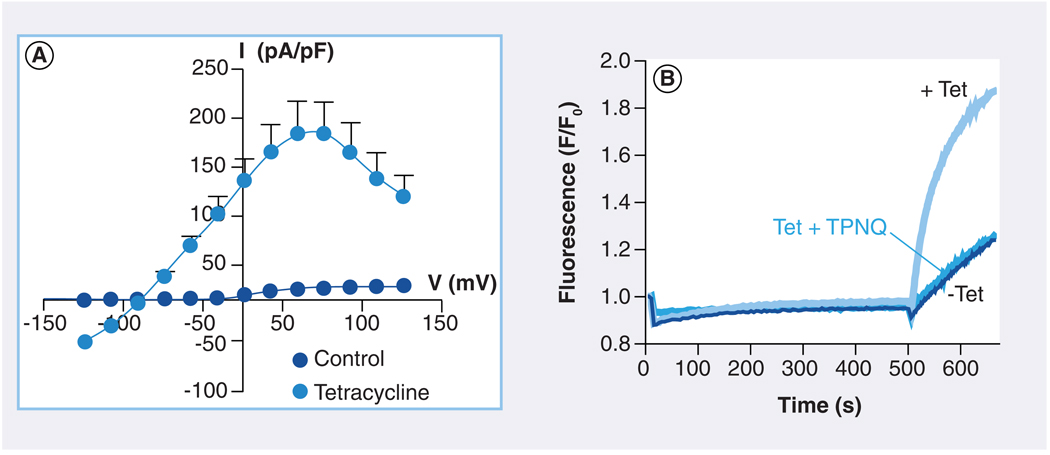
Figure 3. Thallium-fux assay of Kir1.1 channel function for high-throughput molecular library screening
(A) A stable cell line expressing Kir1.1 under the control of a tetracycline-inducible promoter was developed to avoid cytotoxic effects of constitutive Kir1.1 channel expression and subsequent cell line degeneration. Values are means ± SEM current amplitude normalized to cell capacitance and plotted as a function of test voltage in whole-cell patch clamp experiments. Cells were cultured overnight in the absence (control; darker circles) or presence of tetracycline (lighter circles). (B) Fluorescence assay of Kir1.1 channel activity in a 384-well plate using the thallium-sensitive fluorescent dye FluoZin-2. Cells were cultured overnight in the absence (− Tet) or presence (+ Tet) of tetracycline. One well was pretreated with the Kir1.1 channel inhibitor peptide Tertiapin-Q (+ TPNQ) to block channel activity. Addition of extracellular thallium (at 500 s) evoked an abrupt increase in FluoZin-2 fluorescence that was dependent on Kir1.1 channel expression. This assay was used to screen approximately 225,000 small molecules for novel modulators of Kir1.1. Reproduced with permission from [47].
Figure 4
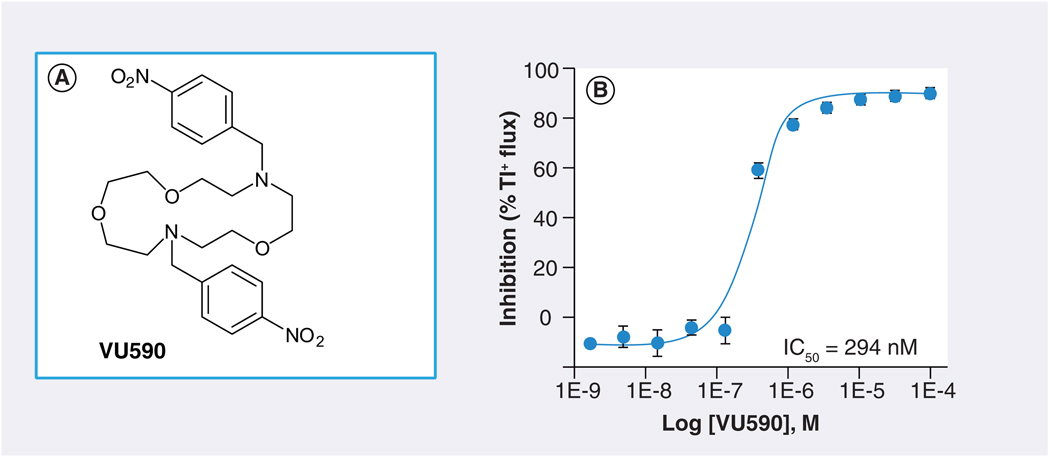
Figure 4. VU590, the first disclosed small-molecule inhibitor of Kir1.1
(A) Molecular structure of VU590. (B) Concentration–response curve for VU590 inhibition of Kir1.1 recorded in thallium flux assays. Reproduced with permission from [47].
Figure 5
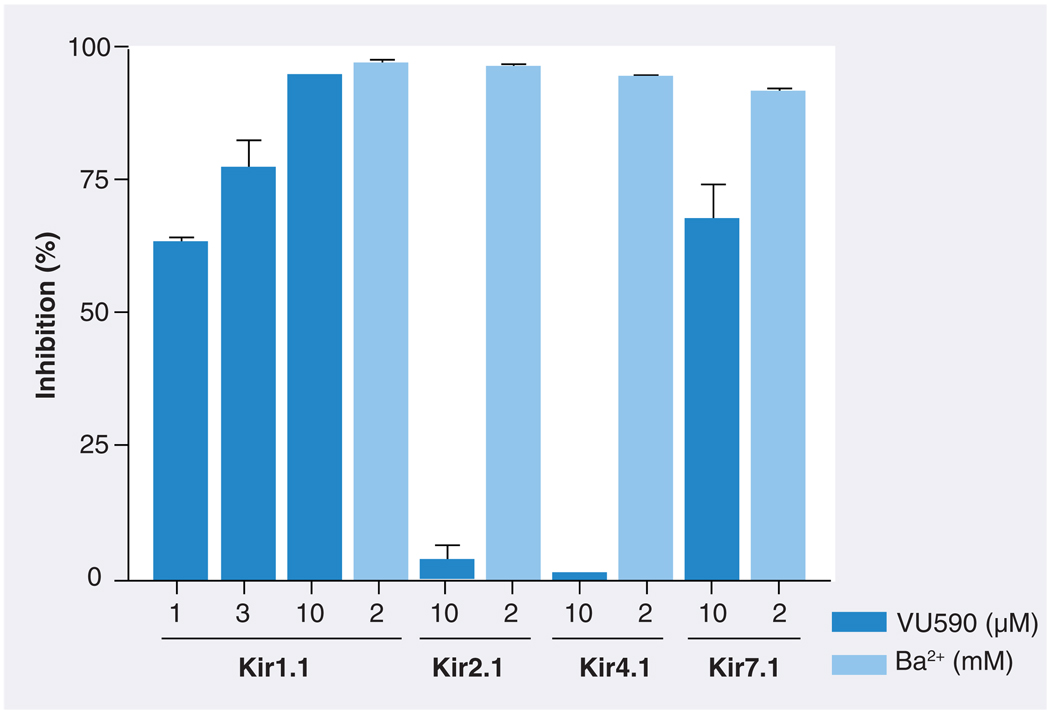
Figure 5. Selectivity of VU590 among members of the Kir channel family
Values are mean ± standard error percentage inhibition of the indicated Kir channel by VU590 (darker bars) or Ba2+ (lighter bars). The concentrations of VU590 (µM) and Ba2+ (mM) used are shown below each bar. Current amplitude was recorded at −120 mV. Reproduced with permission from [47].
Figure 6
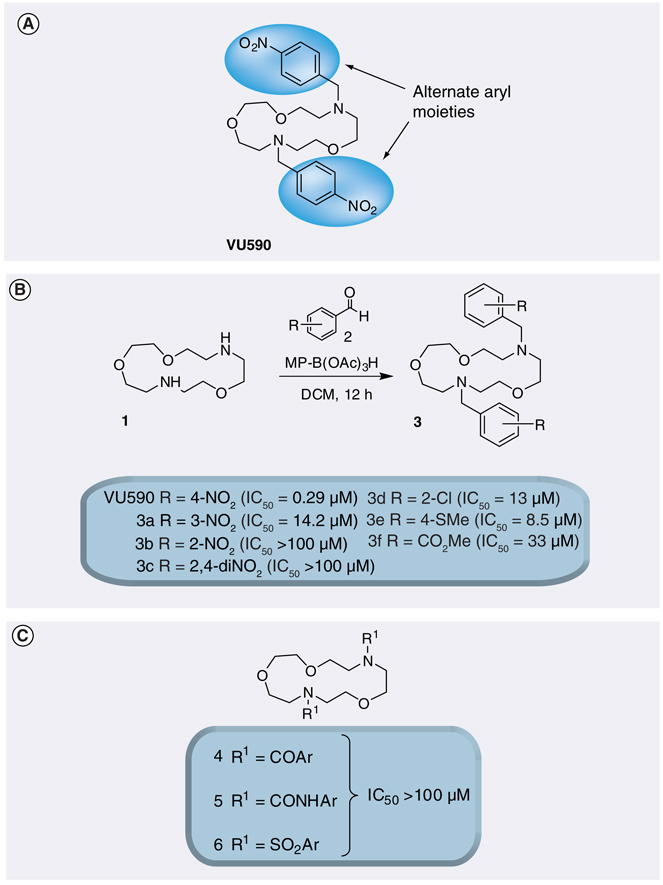
Figure 6. Determination of VU590 structure–activity relationships through combinatorial chemistry and thallium-flux assays
(A) VU590 and areas to explore through chemical optimization. (B) Structure–activity relationship of VU590 analogs. (C) Alternate capping agents used to attenuate the basicity of VU590. Reproduced with permission from [47].

References

Bibliography

    1. Nichols CG, Lopatin AN. Inward rectifier potassium channels. Annu. Rev. Physiol. 1997;59:171–191. - PubMed
    1. Hibino H, Inanobe A, Furutani K, Murakami S, Findlay I, Kurachi Y. Inwardly rectifying potassium channels: their structure, function, and physiological roles. Physiol. Rev. 2010;90(1):291–366. ▪ Most recent extensive review of the Kir channel family.

    1. Ho K, Nichols CG, Lederer WJ, et al. Cloning and expression of an inwardly rectifying ATP-regulated potassium channel. Nature. 1993;362(6415):31–38. ▪ Describes the cloning and functional properties of the first member of the Kir channel family, renal outer medullary K+ (ROMK).

    1. Lopatin AN, Makhina EN, Nichols CG. Potassium channel block by cytoplasmic polyamines as the mechanism of intrinsic rectification. Nature. 1994;372:366–369. - PubMed
    1. Lu Z. Mechanism of rectification in inward-rectifier K+ channels. Annu. Rev. Physiol. 2004;66:103–129. - PubMed

Website

    1. US National Institutes of Health Molecular Libraries Program. http://mli.nih.gov/mli.

Publication types

MeSH terms

Substances