A diagnostic interview module for anabolic-androgenic steroid dependence: preliminary evidence of reliability and validity
- PMID: 20545384
- PMCID: PMC2913447
- DOI: 10.1037/a0019370
A diagnostic interview module for anabolic-androgenic steroid dependence: preliminary evidence of reliability and validity
Abstract
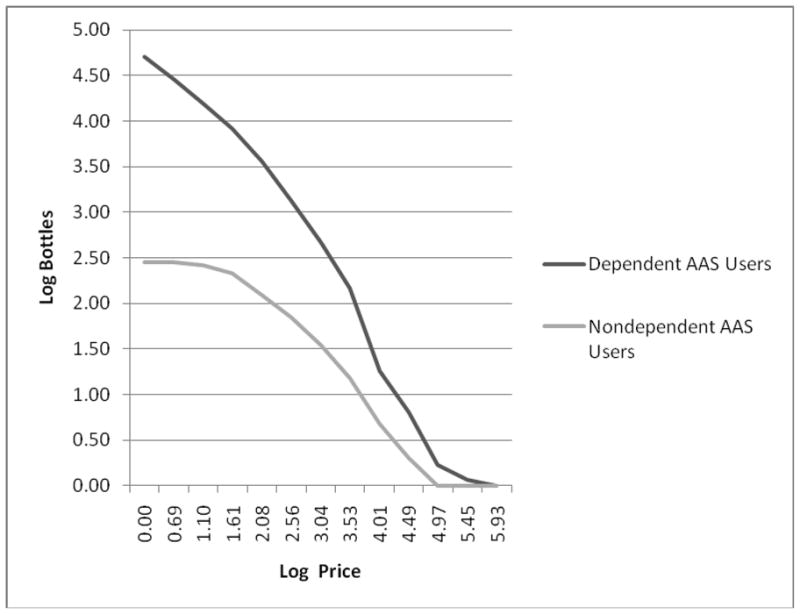
The syndrome of anabolic-androgenic steroid (AAS) dependence, though well recognized, remains poorly studied. In this preliminary psychometric study, American and British investigators separately administered a structured diagnostic interview module, based on recently proposed criteria for AAS dependence, to 42 male AAS users in Middlesbrough, England. Another investigator, blinded to the diagnostic interview findings, assessed self-reported symptoms of "muscle-dysmorphia"; effects of AAS on various aspects of functioning; and maximum proportion of annual income spent on AAS. We also assessed demographic measures, history of other substance use, and performance on a hypothetical AAS-purchasing task. The interview module yielded very good interrater reliability (kappa = 0.76 and overall intraclass correlation = 0.79) and strong internal consistency (Cronbach's alpha = 0.77-0.87). Men diagnosed as AAS-dependent, when compared to nondependent men, reported significantly earlier onset of AAS use, longer duration and higher maximum doses of AAS used, more frequent use of other performance-enhancing drugs, and a somewhat larger maximum percentage of income spent on AAS. Dependent users also "bought" more AAS in the hypothetical purchase task, but rated significantly more negatively the effects of AAS on their mental health-findings all suggesting that the diagnosis of AAS dependence shows construct validity. As a group, AAS users showed high preoccupation with muscular appearance, but dependence per se was not significantly associated with this measure-suggesting that the diagnosis of AAS dependence shows some evidence of discriminant validity. Collectively, these findings suggest that AAS dependence may be diagnosed reliably, with preliminary evidence for construct and discriminant validity.
Figures
References
-
- American Psychiatric Association. Diagnostic and Statistical Manual of Mental Disorders. 3. Washington, DC: American Psychiatric Association; 1987. Revised.
-
- American Psychiatric Association. Diagnostic and Statistical Manual of Mental Disorders. 4. Washington, DC: American Psychiatric Association; 1994. (DSM-IV)
-
- Baer JS, Ginzler JA, Peterson PL. DSM-IV alcohol and substance abuse and dependence in homeless youth. Journal of Studies on Alcohol. 2003;64(1):5–14. - PubMed
-
- Baker JS, Graham MR, Davies B. Steroid and prescription medicine abuse in the health and fitness community: A regional study. European Journal of Internal Medicine. 2006;17(7):479–484. - PubMed
-
- Bickel WK, Marsch LA, Carroll ME. Deconstructing relative reinforcing efficacy and situating the measures of pharmacological reinforcement with behavioral economics: a theoretical proposal. Psychopharmacology (Berlin) 2000;153(1):44–56. - PubMed
Publication types
MeSH terms
Substances
Grants and funding
LinkOut - more resources
Full Text Sources
Medical
Research Materials