


Conservation of progesterone hormone function in invertebrate reproduction
- PMID: 20547846
- PMCID: PMC2900687
- DOI: 10.1073/pnas.1006074107
Conservation of progesterone hormone function in invertebrate reproduction
Abstract
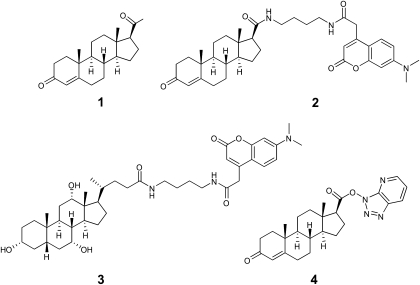
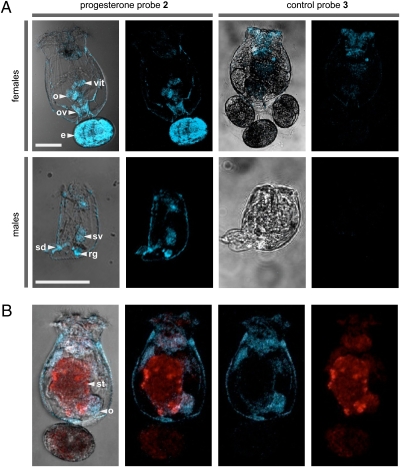
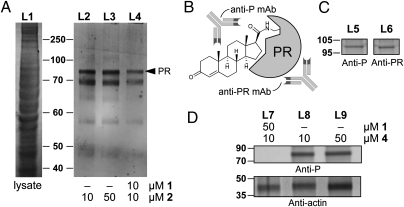
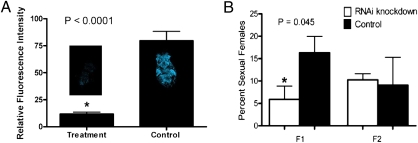
Steroids play fundamental roles regulating mammalian reproduction and development. Although sex steroids and their receptors are well characterized in vertebrates and several arthropod invertebrates, little is known about the hormones and receptors regulating reproduction in other invertebrate species. Evolutionary insights into ancient endocrine pathways can be gained by elucidating the hormones and receptors functioning in invertebrate reproduction. Using a combination of genomic analyses, receptor imaging, ligand identification, target elucidation, and exploration of function through receptor knockdown, we now show that comparable progesterone chemoreception exists in the invertebrate monogonont rotifer Brachionus manjavacas, suggesting an ancient origin of the signal transduction systems commonly associated with the development and integration of sexual behavior in mammals.
Conflict of interest statement
The authors declare no conflict of interest.
Figures
References
-
- Mizuta T, Kubokawa K. Presence of sex steroids and cytochrome P450 genes in amphioxus. Endocrinology. 2007;148:3554–3565. - PubMed
-
- Thornton JW, Need E, Crews D. Resurrecting the ancestral steroid receptor: ancient origin of estrogen signaling. Science. 2003;301:1714–1717. - PubMed
-
- Di Cosmo A, Di Cristo C, Paolucci M. A estradiol-17β receptor in the reproductive system of the female of Octopus vulgaris: characterization and immunolocalization. Mol Reprod Dev. 2002;61:367–375. - PubMed
Publication types
MeSH terms
Substances
LinkOut - more resources
Full Text Sources
