


Glycosylation of the major polar tube protein of Encephalitozoon cuniculi
- PMID: 20556427
- PMCID: PMC6716521
- DOI: 10.1007/s00436-010-1950-7
Glycosylation of the major polar tube protein of Encephalitozoon cuniculi
Abstract
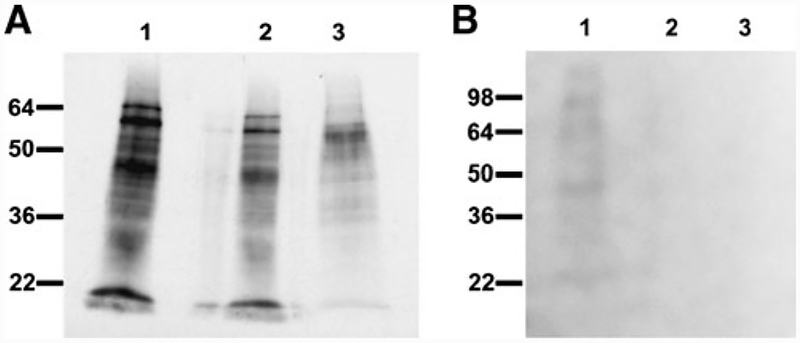
To infect their host cells the Microsporidia use a unique invasion organelle, the polar tube complex. During infection, the organism is injected into the host cell through the hollow polar tube formed during spore germination. Currently, three proteins, PTP1, PTP2, and PTP3 have been identified by immunological and molecular techniques as being components of this structure. Genomic data suggests that Microsporidia are capable of O-linked, but not N-linked glycosylation as a post-translational protein modification. Cells were infected with Encephalitozoon cunicuili, labeled with radioactive mannose or glucosamine, and the polar tube proteins were examined for glycosylation. PTP1 was clearly demonstrated to be mannosylated consistent with 0-glycosylation. In addition, it was evident that several other proteins were mannosylated, but no labeling was seen with glucosamine. The observed post-translational mannosylation of PTP1 may be involved in the functional properties of the polar tube, including its adherence to host cells during penetration.
Figures

References
-
- Dolgikh VV, Semenov PB, Beznusenko GV (2007) Protein glycosylation in the spores of the microsporidia Paranosema (Antonospora) grylli. Tsitologiia 49:607–613 - PubMed
-
- Ernst JF, Prill SK (2001) O-glycosylation. Med Mycol 39:67–74 - PubMed
-
- Foucault C, Drancourt M (2000) Actin mediates Encephalitozoon intestinalis entry into the human enterocyte-like cell line, Caco-2. Microb Pathog 28:51–58 - PubMed
-
- Gentzsch M, Tanner W (1997) Protein-O-glycosylation in yeast: protein-specific mannosyltransferases. Glycobiology 7:481–486 - PubMed
Publication types
MeSH terms
Substances
Grants and funding
LinkOut - more resources
Full Text Sources
