


Inhibition of NADPH cytochrome P450 reductase by the model sulfur mustard vesicant 2-chloroethyl ethyl sulfide is associated with increased production of reactive oxygen species
- PMID: 20561902
- PMCID: PMC4540603
- DOI: 10.1016/j.taap.2010.05.015
Inhibition of NADPH cytochrome P450 reductase by the model sulfur mustard vesicant 2-chloroethyl ethyl sulfide is associated with increased production of reactive oxygen species
Abstract
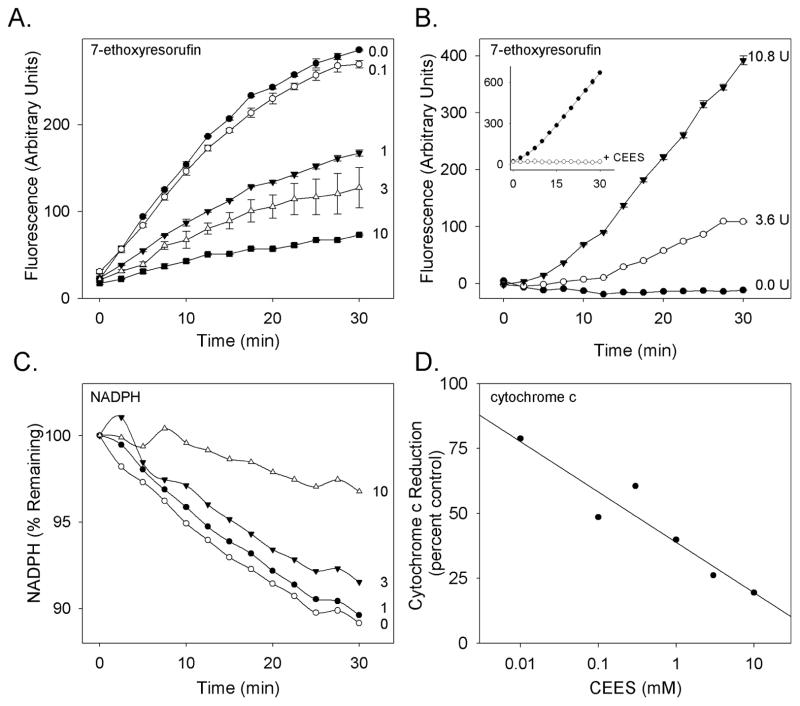
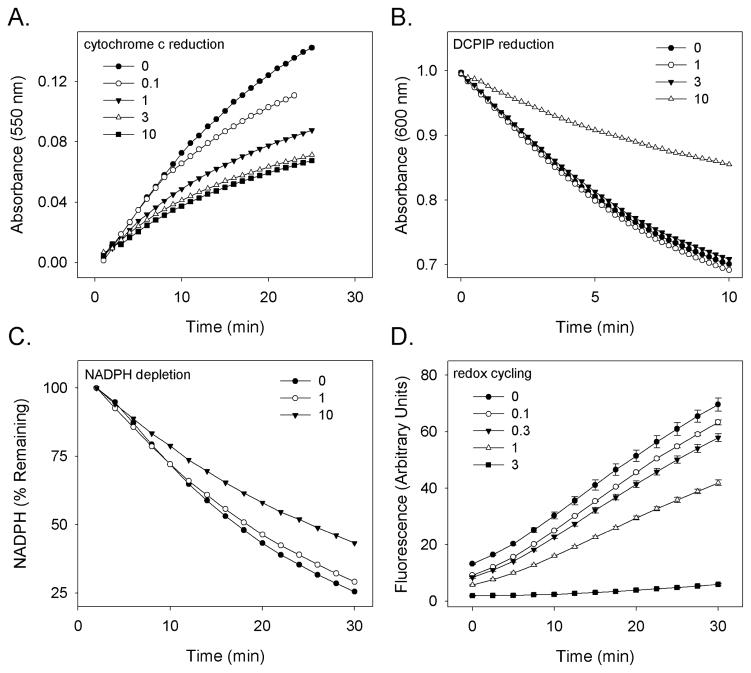
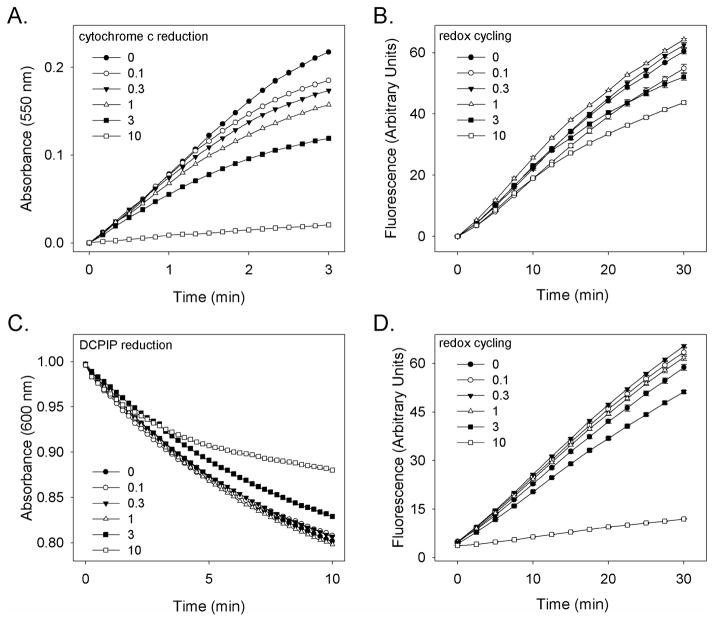
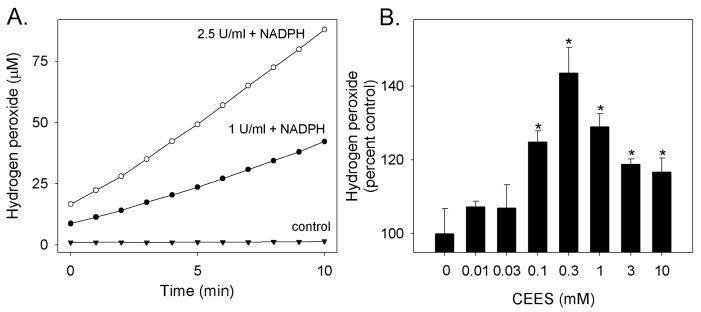
Inhalation of vesicants including sulfur mustard can cause significant damage to the upper airways. This is the result of vesicant-induced modifications of proteins important in maintaining the integrity of the lung. Cytochrome P450s are the major enzymes in the lung mediating detoxification of sulfur mustard and its metabolites. NADPH cytochrome P450 reductase is a flavin-containing electron donor for cytochrome P450. The present studies demonstrate that the sulfur mustard analog, 2-chloroethyl ethyl sulfide (CEES), is a potent inhibitor of human recombinant cytochrome P450 reductase, as well as native cytochrome P450 reductase from liver microsomes of saline and beta-naphthoflavone-treated rats, and cytochrome P450 reductase from type II lung epithelial cells. Using rat liver microsomes from beta-naphthoflavone-treated rats, CEES was found to inhibit CYP 1A1 activity. This inhibition was overcome by microsomal cytochrome P450 reductase from saline-treated rats, which lack CYP 1A1 activity, demonstrating that the CEES inhibitory activity was selective for cytochrome P450 reductase. Cytochrome P450 reductase also generates reactive oxygen species (ROS) via oxidation of NADPH. In contrast to its inhibitory effects on the reduction of cytochrome c and CYP1A1 activity, CEES was found to stimulate ROS formation. Taken together, these data demonstrate that sulfur mustard vesicants target cytochrome P450 reductase and that this effect may be an important mechanism mediating oxidative stress and lung injury.
2010. Published by Elsevier Inc.
Conflict of interest statement
The authors declare that there are no conflicts of interest.
Figures
References
-
- Anderson DR, Byers SL, Vesely KR. Treatment of sulfur mustard (HD)-induced lung injury. J Appl Toxicol. 2000;20(Suppl 1):S129–132. - PubMed
-
- Aust SD, Roerig DL, Pederson TC. Evidence for superoxide generation by NADPH-cytochrome c reductase of rat liver microsomes. Biochem Biophys Res Commun. 1972;47:1133–1137. - PubMed
-
- Black RM, Brewster K, Clarke RJ, Hambrook JL, Harrison JM, Howells DJ. Biological fate of sulphur mustard, 1,1′-thiobis(2-chloroethane): isolation and identification of urinary metabolites following intraperitoneal administration to rat. Xenobiotica. 1992;22:405–418. - PubMed
Publication types
MeSH terms
Substances
Grants and funding
- R01 CA132624/CA/NCI NIH HHS/United States
- CA132624/CA/NCI NIH HHS/United States
- AR055073/AR/NIAMS NIH HHS/United States
- P30 ES005022/ES/NIEHS NIH HHS/United States
- R01 CA100994/CA/NCI NIH HHS/United States
- CA093798/CA/NCI NIH HHS/United States
- R01 CA093798/CA/NCI NIH HHS/United States
- U54 AR055073/AR/NIAMS NIH HHS/United States
- ES005022/ES/NIEHS NIH HHS/United States
- GM034310/GM/NIGMS NIH HHS/United States
- R01 GM034310/GM/NIGMS NIH HHS/United States
- CA100994/CA/NCI NIH HHS/United States
- ES004738/ES/NIEHS NIH HHS/United States
- U54AR055073/AR/NIAMS NIH HHS/United States
- R01 ES004738/ES/NIEHS NIH HHS/United States
- R55 CA093798/CA/NCI NIH HHS/United States
LinkOut - more resources
Full Text Sources
