


The chronobiology, etiology and pathophysiology of obesity
- PMID: 20567242
- PMCID: PMC4428912
- DOI: 10.1038/ijo.2010.118
The chronobiology, etiology and pathophysiology of obesity
Abstract
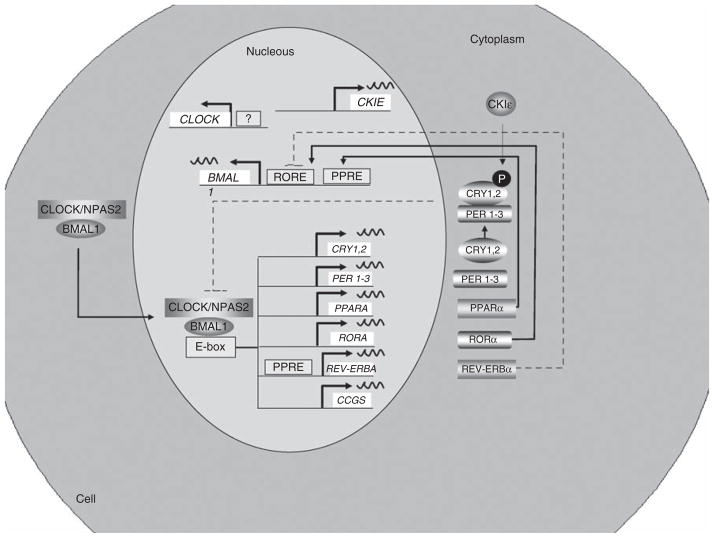
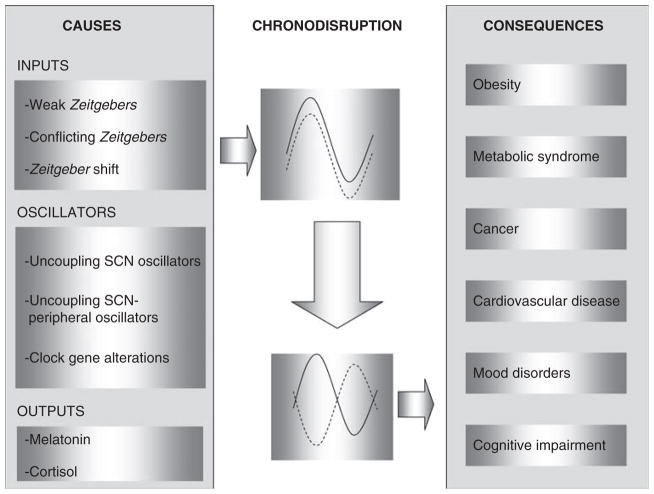
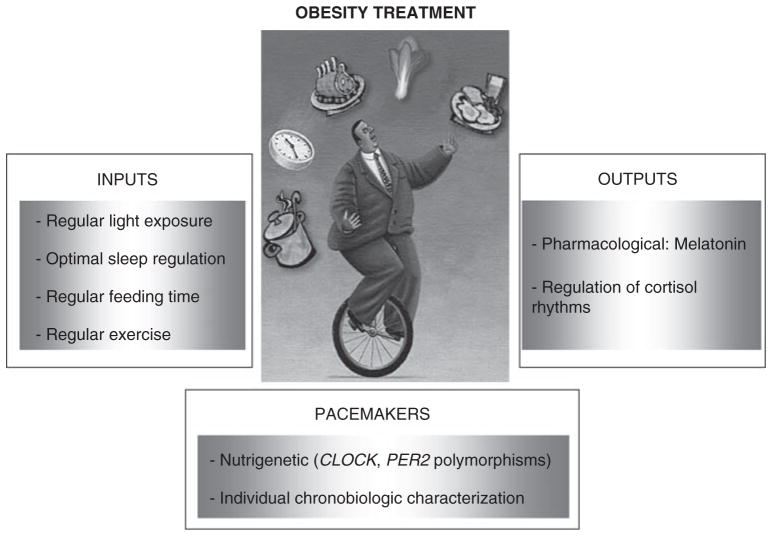
The effect of CD on human health is an emerging issue. Many records link CD with diseases such as cancer, cardiovascular, cognitive impairment and obesity, all of them conducive to premature aging. The amount of sleep has declined by 1.5 h over the past century, accompanied by an important increase in obesity. Shift work, sleep deprivation and exposure to bright light at night increase the prevalence of adiposity. Animal models have shown that mice with Clock gene disruption are prone to developing obesity and MetS. This review summarizes the latest developments with regard to chronobiology and obesity, considering (1) how molecular clocks coordinate metabolism and the specific role of the adipocyte; (2) CD and its causes and pathological consequences; (3) the epidemiological evidence of obesity as a chronobiological illness; and (4) theories of circadian disruption and obesity. Energy intake and expenditure, relevance of sleep, fat intake from a circadian perspective and psychological and genetic aspects of obesity are examined. Finally, ideas about the use of chronobiology in the treatment of obesity are discussed. Such knowledge has the potential to become a valuable tool in the understanding of the relationship between the chronobiology, etiology and pathophysiology of obesity.
Conflict of interest statement
The authors declare no conflict of interest.
Figures


References
-
- Ko CH, Takahashi JS. Molecular components of the mammalian circadian clock. Hum Mol Genet. 2006;15(Spec No 2):R271–R277. Review. - PubMed
-
- Barness LA, Opitz JM, Gilbert-Barness E. Obesity: genetic, molecular, and environmental aspects. Am J Med Genet A. 2007;143A:3016–3034. - PubMed
-
- Froy O. The relationship between nutrition and circadian rhythms in mammals. Front Neuroendocrinol. 2007;28:61–71. - PubMed
-
- Garaulet M, Madrid JA. Chronobiology, genetics and metabolic syndrome. Curr Opin Lipidol. 2009;20:127–134. - PubMed
Publication types
MeSH terms
Substances
Grants and funding
LinkOut - more resources
Full Text Sources
Medical
Miscellaneous
