. 2010 Aug 6;9(8):4152-60.
doi: 10.1021/pr1003856.

Quantifying the impact of chimera MS/MS spectra on peptide identification in large-scale proteomics studies

Affiliations

Quantifying the impact of chimera MS/MS spectra on peptide identification in large-scale proteomics studies

Stephane Houel et al. J Proteome Res. .

Abstract

A complicating factor for protein identification within complex mixtures by LC/MS/MS is the problem of "chimera" spectra, where two or more precursor ions with similar mass and retention time are co-sequenced by MS/MS. Chimera spectra show reduced scores due to unidentifiable fragment ions derived from contaminating parents. However, the extent of chimeras in LC/MS/MS data sets and their impact on protein identification workflows are incompletely understood. We report ChimeraCounter, a software program which detects chimeras in data sets collected on an Orbitrap/LTQ instrument. Evaluation of synthetic chimeras created from pairs of well-defined peptide MS/MS spectra reveal that chimeras reduce database search scores most significantly when contaminating fragment ion intensities exceed 20% of the targeted fragment ion intensities. In large-scale data sets, the identification rate for chimera MS/MS is 2-fold lower compared to nonchimera spectra. Importantly, this occurs in a manner which depends not on absolute precursor ion intensity, but on intensity relative to the median precursor intensity distribution. We further show that chimeras reduce the number of accepted peptide identifications by increasing false negatives while showing little increase in false positives. The results provide a framework for identifying chimeras and characterizing their contribution to the poorly understood false negative class of MS/MS.


Figures
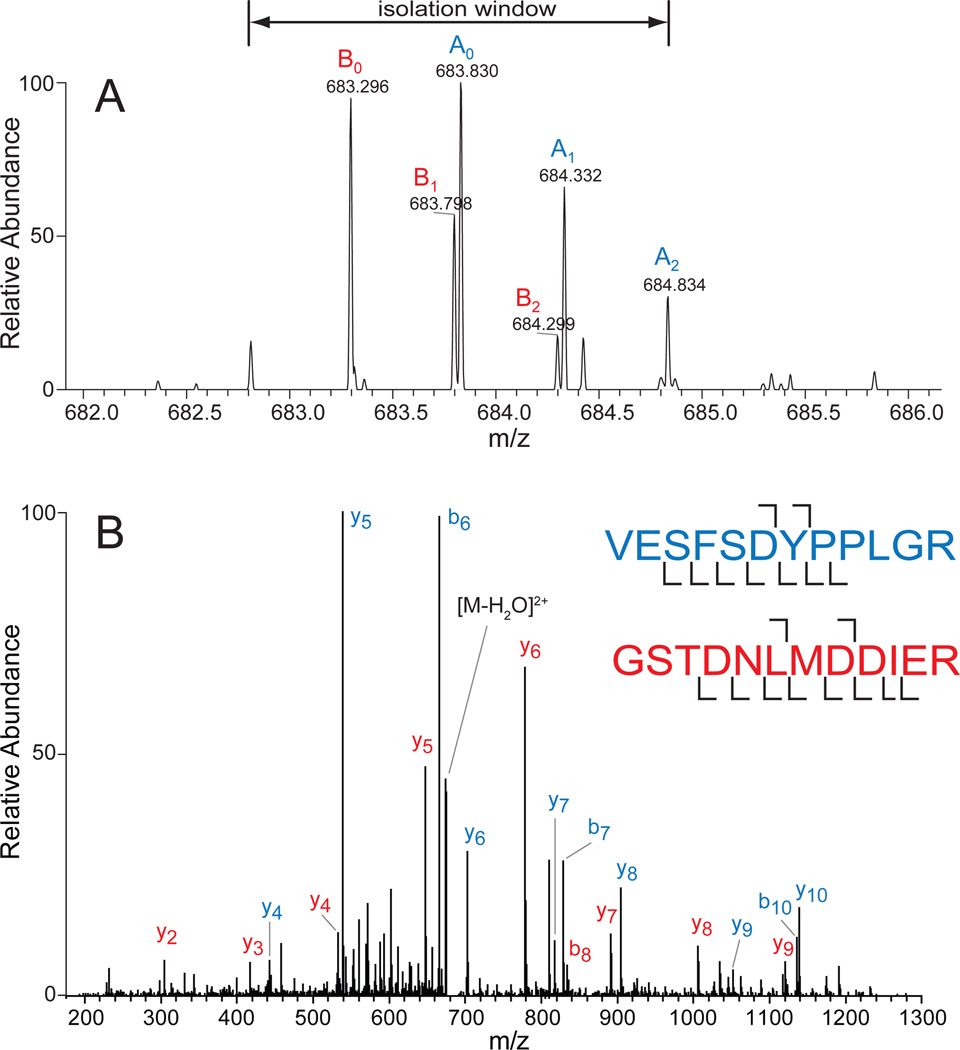
Figure 1
Figure 1. Spectral chimera MS/MS
(A) Examination of a high resolution Orbitrap scan shows more than one precursor ion within the isolation window for MS/MS. In this example, A0, A1, and A2 are isotope peaks from the targeted precursor ion, and B0, B1, and B2 are isotope peaks from a contaminating precursor ion. (B) The MS/MS spectrum contains fragment ions from A (blue) and B (red) precursor ions. Observed fragment ions are annotated on each peptide sequence.
Figure 2
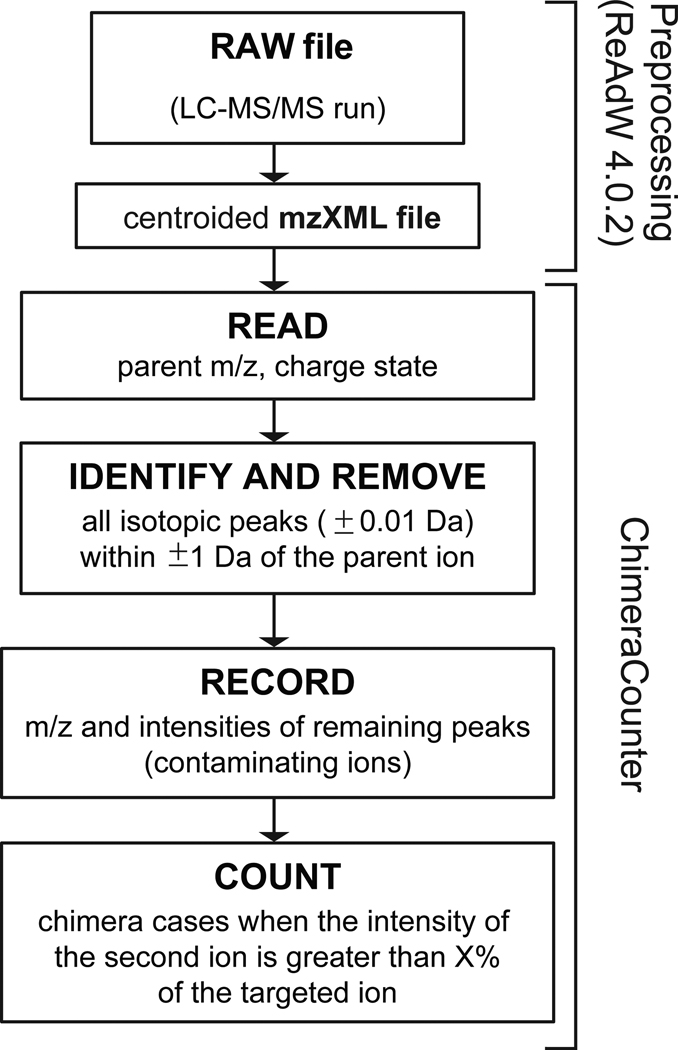
Figure 2. Process diagram for ChimeraCounter
Orbitrap scans of precursor ion peaks are processed to remove isotope peaks, after which ChimeraCounter records m/z and intensities of all precursor ions within each isolation window. Chimeras are scored when more than one peak is present and the ratio of peak intensity normalized to the highest peak in the window is greater than a specified percent chimera intensity (PCI) value.
Figure 3
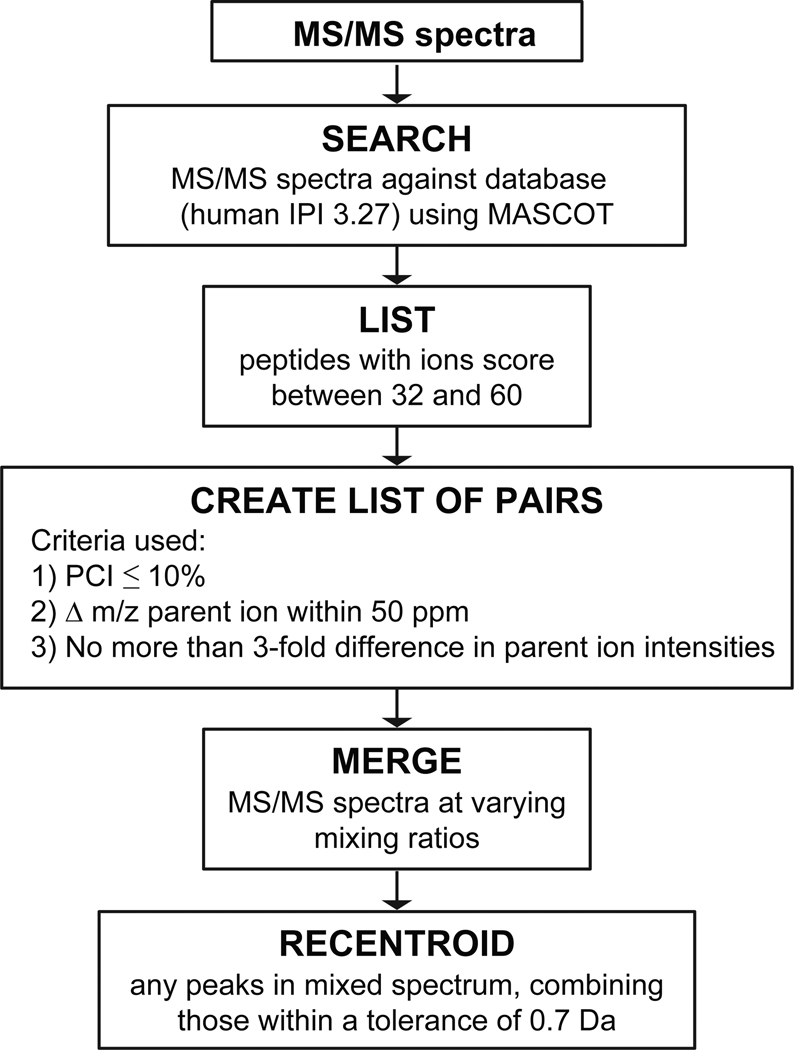
Figure 3. Strategy for constructing chimera MS/MS with varying PCIs
Synthetic chimera MS/MS were constructed from pairs of MS/MS spectra from high confidence assignments mixed in varying ratios and recentroided. The ratios of base peak intensity between the precursor ions for the two spectra were used to calculate PCI as IntensityB ÷ IntensityA × 100.
Figure 4
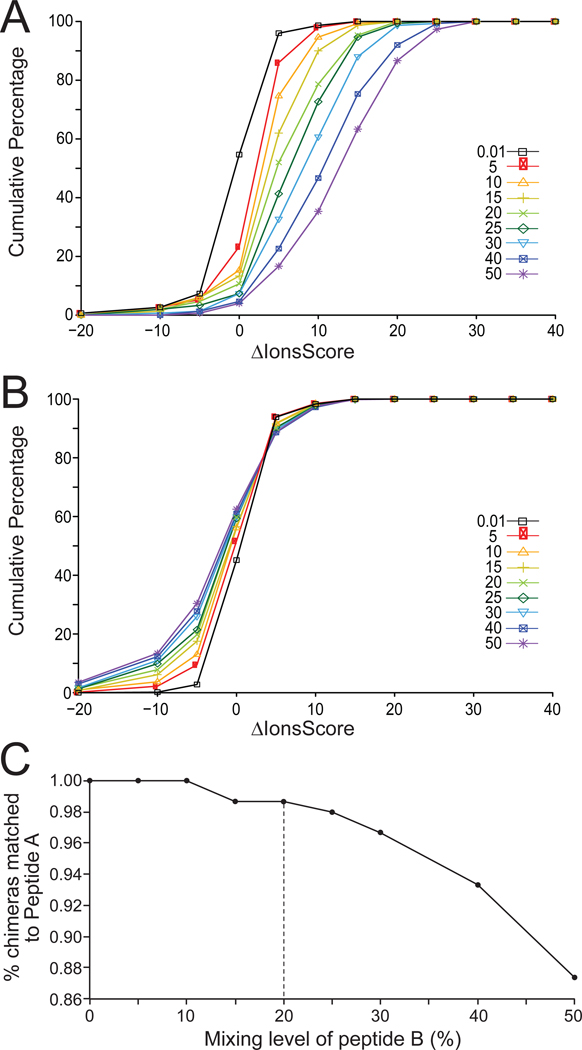
Figure 4. Chimeras lead to reduced search scores
(A) MS/MS spectra (A & B) were mixed in varying ratios, and cumulative percentages are plotted versus ΔIonScore, calculated as IonsScorechimera subtracted from IonsScoreSpectrum A. For most chimeras, the ions score decreases as Spectrum B increases. (B) Controls for spectral summation are performed by pairing different MS/MS spectra corresponding to the same peptide sequence. Adding two spectra together increases the ions score, suggesting that in panel A, the small percentage of chimeras with ions score higher than Spectrum A are an effect of summing spectra. (C) Fractions of chimeras matched correctly to peptide A are plotted versus PCI. Above PCI=20%, incorrect matches occur in 2% or more cases.
Figure 5
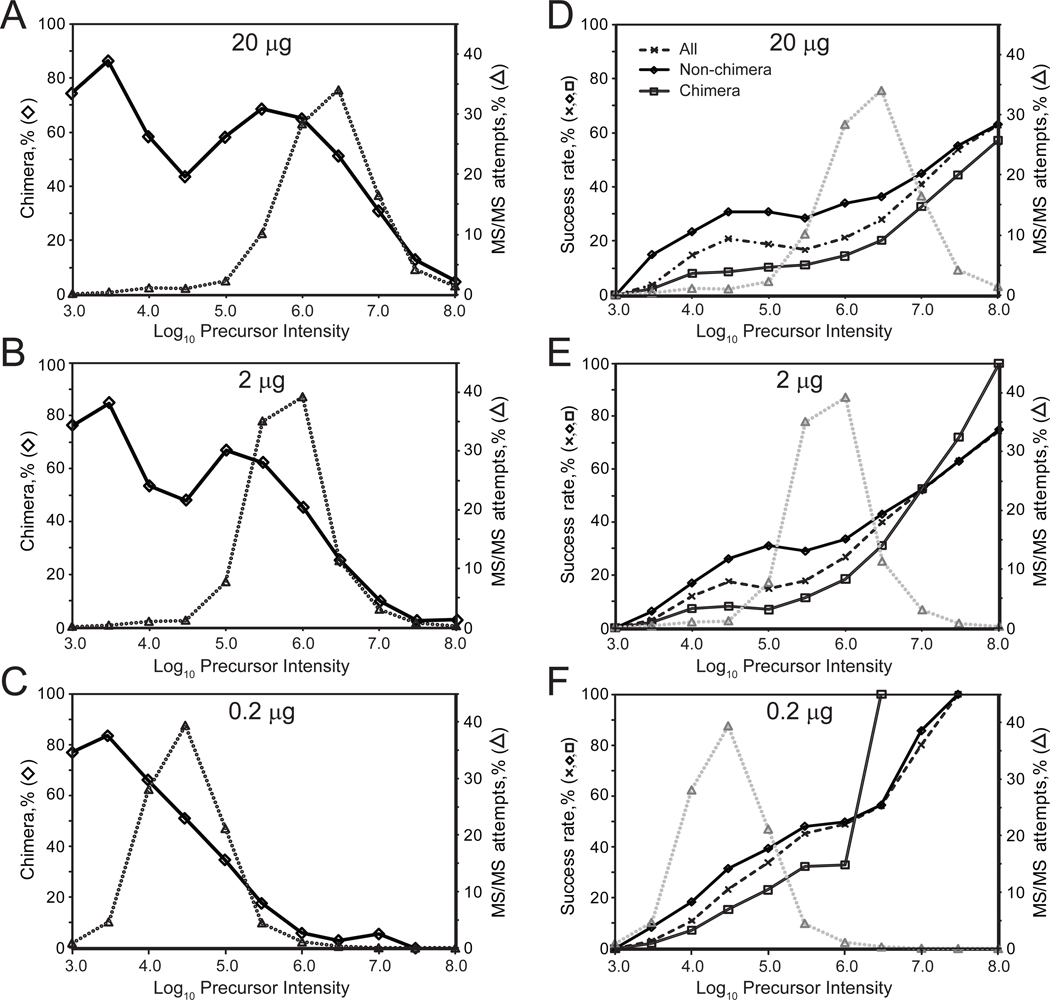
Figure 5. Variations in chimeras and success rate with precursor ion intensity
LC/MS/MS datasets are collected with sample loadings of (A,D) 20 µg, (B,E) 2 µg or (C,F) 0.2 µg cellular protein digests. (A–C) Plots show histogram of precursor ion intensities (Δ) and percentage of spectra with PCI ≥ 20% which are scored as chimeras (◊). Peaks in the biphasic distribution of chimeras track the precursor ion intensity distribution at each sample loading. (D–F) Plots show success rate (percentage of high confidence identifications normalized to total MS/MS attempts) versus precursor ion intensities, indicating all MS/MS (x), chimera MS/MS (□) and non-chimera MS/MS (♦).
Figure 6
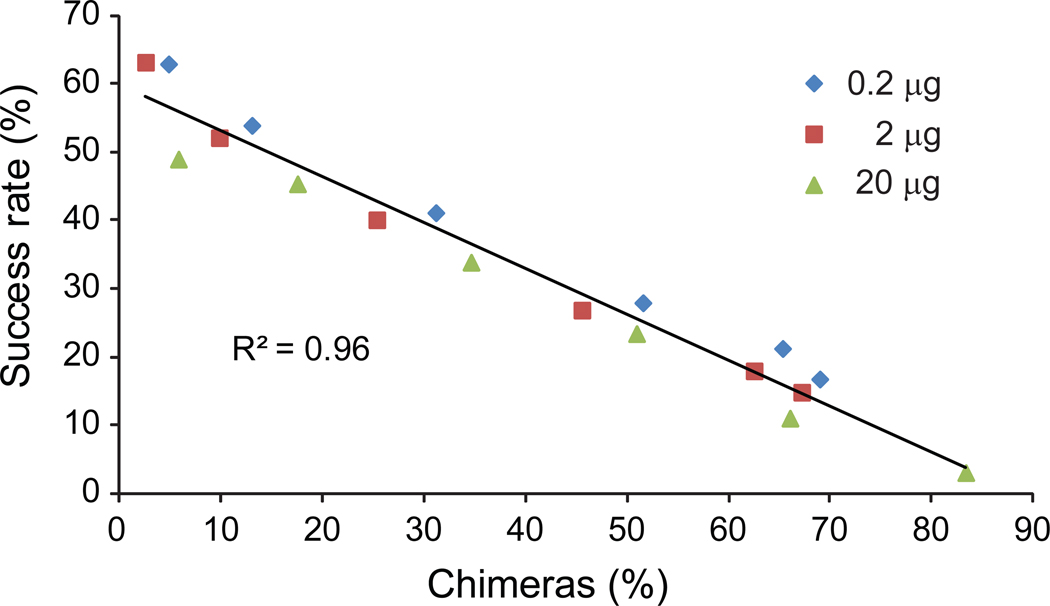
Figure 6. Chimeras and success rate are inversely correlated
Plots of success rate versus chimeras within each intensity range show a linear inverse correlation, which is invariant with sample loading.
Figure 7
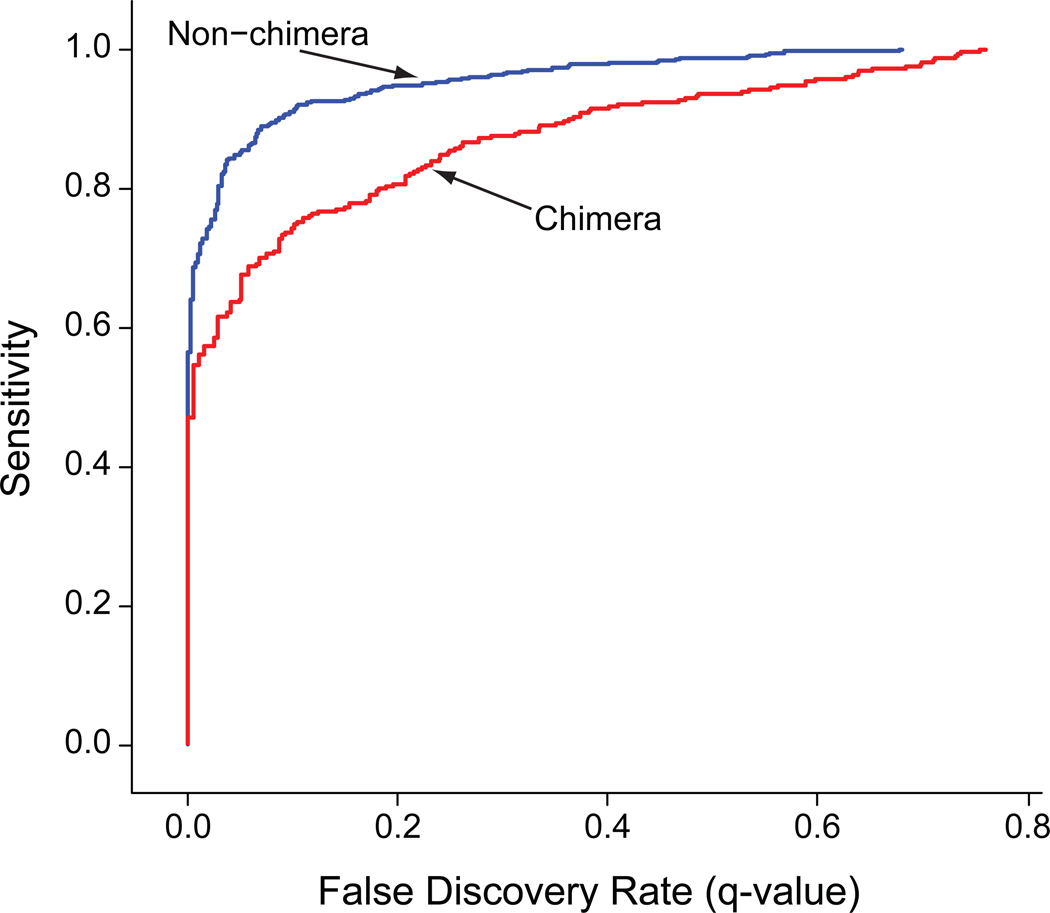
Figure 7. Chimeras show lower discrimination between true and false assignments during automated searching
ROC curves plot Sensitivity (1-false negative rate) versus False Discovery Rate (FDR, q-value corrected) for chimera (PCI ≥ 20%) and non-chimera spectra. FNR and FDR values are determined from searches of datasets collected on protein standards, assuming that matches to protein standards are true and all other matches are false.

References

    1. Paizs B, Suhai S. Fragmentation pathways of protonated peptides. Mass Spectrom Rev. 2005;24:508–548. - PubMed
    1. Picotti P, Aebersold R, Domon B. The implications of proteolytic background for shotgun proteomics. Mol Cell Proteomics. 2007;6:1589–1598. - PubMed
    1. Schwartz JC, Senko MW, Syka JEP. A two-dimensional quadrupole ion trap mass spectrometer. Journal of the American Society for Mass Spectrometry. 2002;13:659–669. - PubMed
    1. Silva JC, Gorenstein MV, Li GZ, Vissers JP, Geromanos SJ. Absolute quantification of proteins by LCMSE: a virtue of parallel MS acquisition. Mol Cell Proteomics. 2006;5:144–156. - PubMed
    1. Silva JC, Denny R, Dorschel C, Gorenstein MV, Li GZ, Richardson K, Wall D, Geromanos SJ. Simultaneous qualitative and quantitative analysis of the Escherichia coli proteome: a sweet tale. Mol Cell Proteomics. 2006;5:589–607. - PubMed

Publication types