


Clostridiolysin S, a post-translationally modified biotoxin from Clostridium botulinum
- PMID: 20581111
- PMCID: PMC2934687
- DOI: 10.1074/jbc.M110.118554
Clostridiolysin S, a post-translationally modified biotoxin from Clostridium botulinum
Abstract
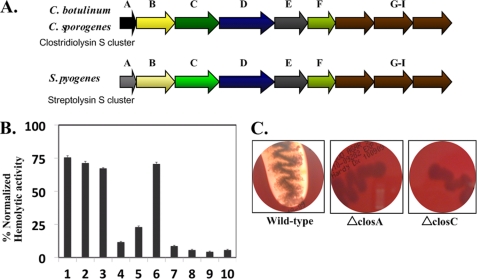
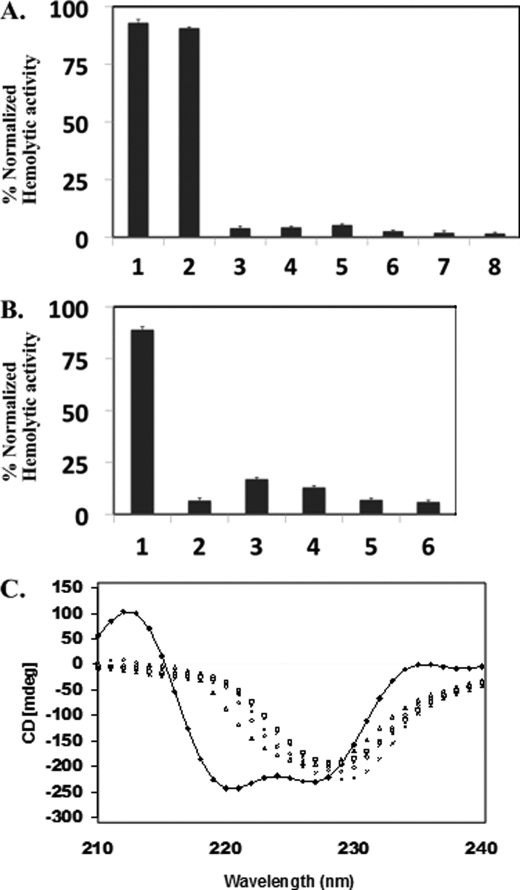
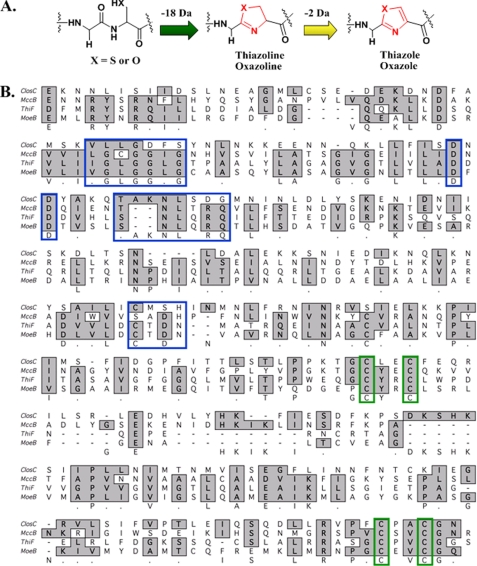
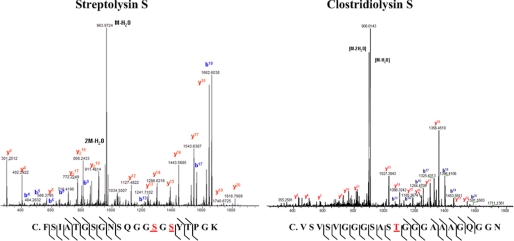
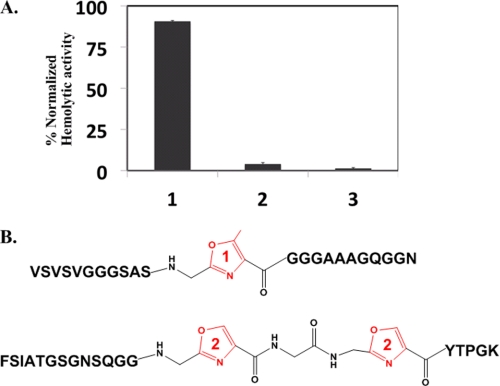
Through elaboration of its botulinum toxins, Clostridium botulinum produces clinical syndromes of infant botulism, wound botulism, and other invasive infections. Using comparative genomic analysis, an orphan nine-gene cluster was identified in C. botulinum and the related foodborne pathogen Clostridium sporogenes that resembled the biosynthetic machinery for streptolysin S, a key virulence factor from group A Streptococcus responsible for its hallmark beta-hemolytic phenotype. Genetic complementation, in vitro reconstitution, mass spectral analysis, and plasmid intergrational mutagenesis demonstrate that the streptolysin S-like gene cluster from Clostridium sp. is responsible for the biogenesis of a novel post-translationally modified hemolytic toxin, clostridiolysin S.
Figures
References
-
- Severinov K., Semenova E., Kazakov A., Kazakov T., Gelfand M. S. (2007) Mol. Microbiol. 65, 1380–1394 - PubMed
-
- Datta V., Myskowski S. M., Kwinn L. A., Chiem D. N., Varki N., Kansal R. G., Kotb M., Nizet V. (2005) Mol. Microbiol. 56, 681–695 - PubMed
-
- Humar D., Datta V., Bast D. J., Beall B., De Azavedo J. C., Nizet V. (2002) Lancet 359, 124–129 - PubMed
Publication types
MeSH terms
Substances
Grants and funding
LinkOut - more resources
Full Text Sources
Other Literature Sources
