Effect of different placement techniques on marginal microleakage of deep class-II cavities restored with two composite resin formulations
- PMID: 20582213
- PMCID: PMC2883801
- DOI: 10.4103/0972-0707.62633
Effect of different placement techniques on marginal microleakage of deep class-II cavities restored with two composite resin formulations
Abstract
Aim: The study aims to evaluate and compare marginal microleakage in deep class II cavities restored with various techniques using different composites.
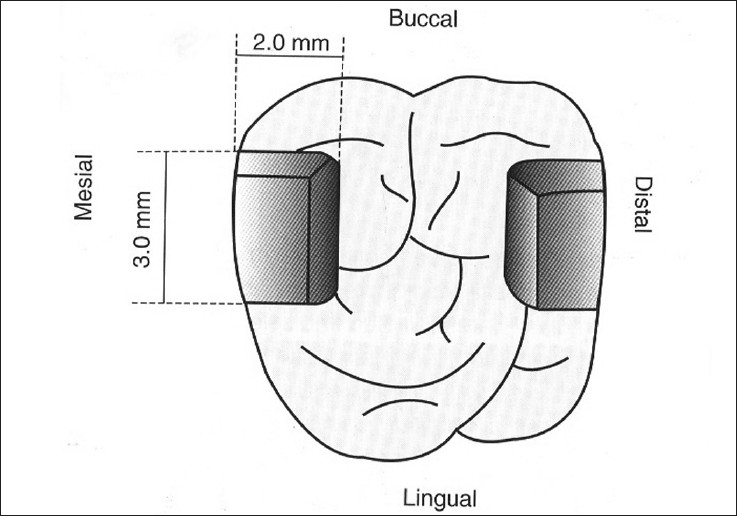
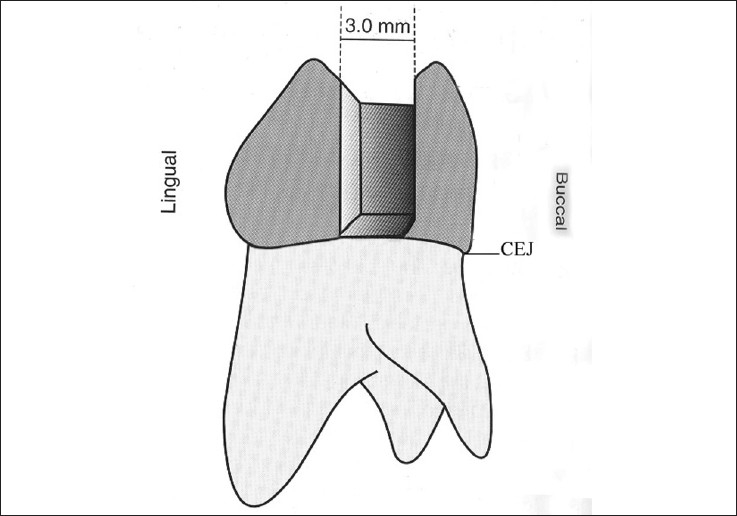
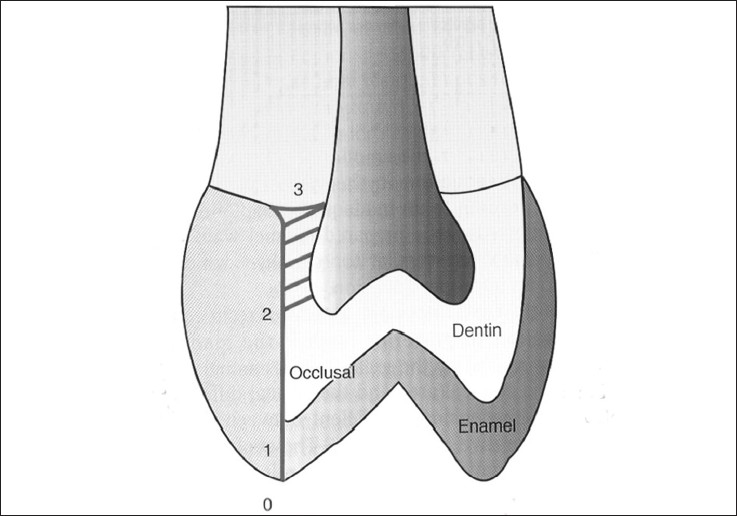
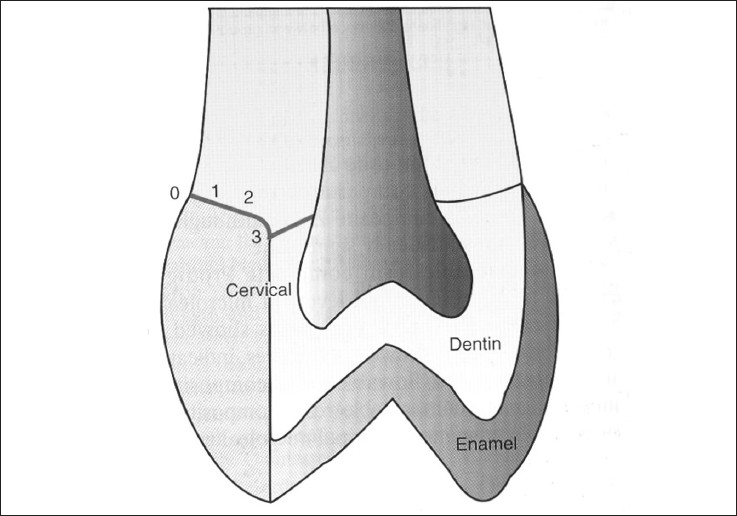
Materials and methods: Sixty freshly extracted teeth were divided into six groups of 10 teeth each. Standardized class II cavities were made and were restored using composites of different consistencies with different placement techniques. Group 1 with Microhybrid composite, Group 2 with Packable composite, Group 3 Microhybrid composite with a flowable composite liner, Group 4 Packable composite with a flowable composite liner, Group 5 Microhybrid composite with precured composite insert in second increment and Group 6 Packable composite with precured insert in second increment. Specimens then were stored in distilled water, thermocycled and immersed in 50% silver nitrate solution. These specimens were sectioned and evaluated for microleakage at the occlusal and cervical walls separately using stereomicroscope.
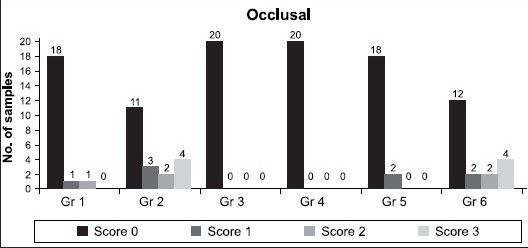
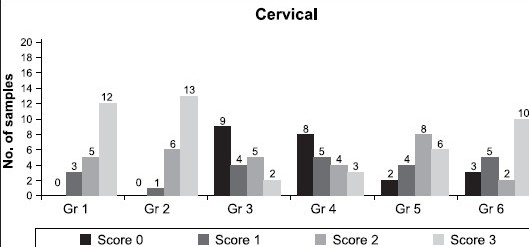
Results: The results demonstrated that in the occlusal wall, packable composite, showed significantly more marginal microleakage than the other groups. In the cervical wall, teeth restored with a flowable composite liner showed less marginal microleakage when compared to all other groups.
Conclusion: Based on the results of this study, the use of flowable composite as the first increment is recommended in deep class II cavities.
Keywords: Class II restorations; flowable liner; marginal microleakage; precured composite insert.
Conflict of interest statement
Figures
References
-
- Yap AU, Wang HB, Siow KS, Gan LM. Polymerization shrinkage of visible-light cured composites. Oper Dent. 2000;25:98–103. - PubMed
-
- Jackson RD, Morgan M. The new posterior resins and a simplified placement technique. J Am Dent Assoc. 2000;131:375–83. - PubMed
-
- Leinfelder KF. Using composite resin as a posterior restorative material. J Am Dent Assoc. 1991;122:65–7. - PubMed
-
- Bayne SC, Thompson JY, Swift EJ, Jr, Stamatiades P, Wilkerson M. A characterization of first-generation flowable composites. J Am Dent Assoc. 1998;129:567–77. - PubMed
-
- Bausch JR, de Lange K, Davidson CL, Peters A, de Gee AJ. Clinical significance of polymerization shrinkage of composite resins. J Prosthet Dent. 1982;48:59–62. - PubMed