


Cutaneous scarring: a clinical review
- PMID: 20585482
- PMCID: PMC2879602
- DOI: 10.1155/2009/625376
Cutaneous scarring: a clinical review
Abstract
Cutaneous scarring can cause patients symptoms ranging from the psychological to physical pain. Although the process of normal scarring is well described the ultimate cause of pathological scarring remains unknown. Similarly, exactly how early gestation fetuses can heal scarlessly remains unsolved. These questions are crucial in the search for a preventative or curative antiscarring agent. Such a discovery would be of enormous medical and commercial importance, not least because it may have application in other tissues. In the clinical context the assessment of scars is becoming more sophisticated and new physical, medical and surgical therapies are being introduced. This review aims to summarise some of the recent developments in scarring research for non-specialists and specialists alike.
Figures
References
-
- Dunkin CSJ, Pleat JM, Gillespie PH, Tyler MPH, Roberts AHN, McGrouther DA. Scarring occurs at a critical depth of skin injury: precise measurement in a graduated dermal scratch in human volunteers. Plastic and Reconstructive Surgery. 2007;119(6):1722–1732. - PubMed
-
- Mustoe TA, Cooter RD, Gold MH, et al. International clinical recommendations on scar management. Plastic and Reconstructive Surgery. 2002;110(2):560–571. - PubMed
-
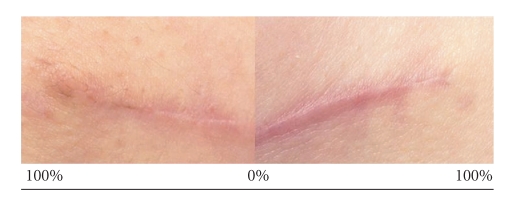
- Masters M, McMahon M, Svens B. Reliability testing of a new scar assessment tool, matching assessment of scars and photographs (MAPS) Journal of Burn Care and Rehabilitation. 2005;26(3):273–284. - PubMed
-
- Baker RHJ, Townley WA, Mckeon S, Linge C, Vijh V. Retrospective study of the association between hypertrophic burn scarring and bacterial colonization. Journal of Burn Care and Research. 2007;28(1):152–156. - PubMed
LinkOut - more resources
Full Text Sources
