A novel sulindac derivative lacking cyclooxygenase-inhibitory activities suppresses carcinogenesis in the transgenic adenocarcinoma of mouse prostate model
- PMID: 20587701
- PMCID: PMC4990820
- DOI: 10.1158/1940-6207.CAPR-09-0273
A novel sulindac derivative lacking cyclooxygenase-inhibitory activities suppresses carcinogenesis in the transgenic adenocarcinoma of mouse prostate model
Abstract
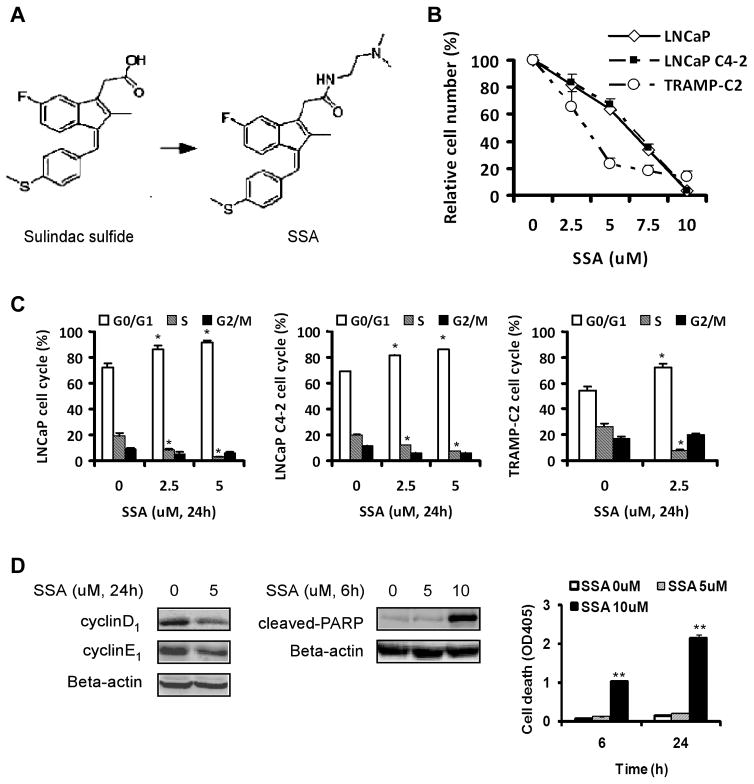
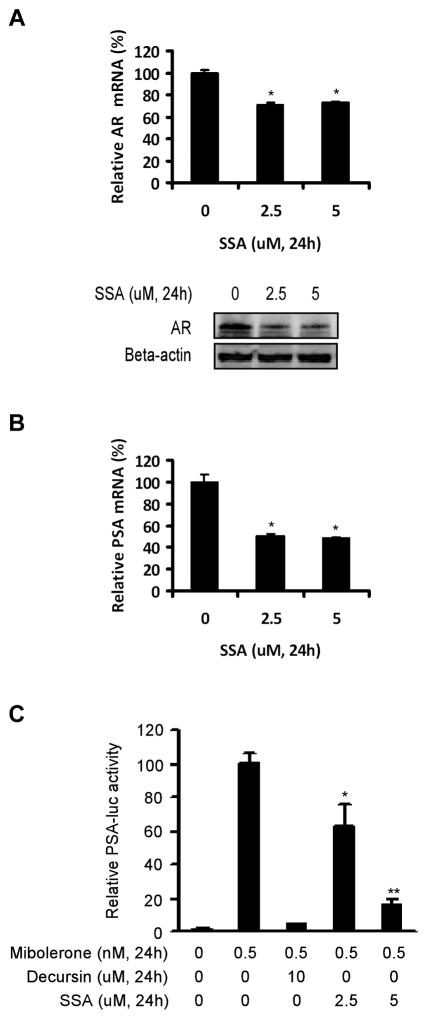
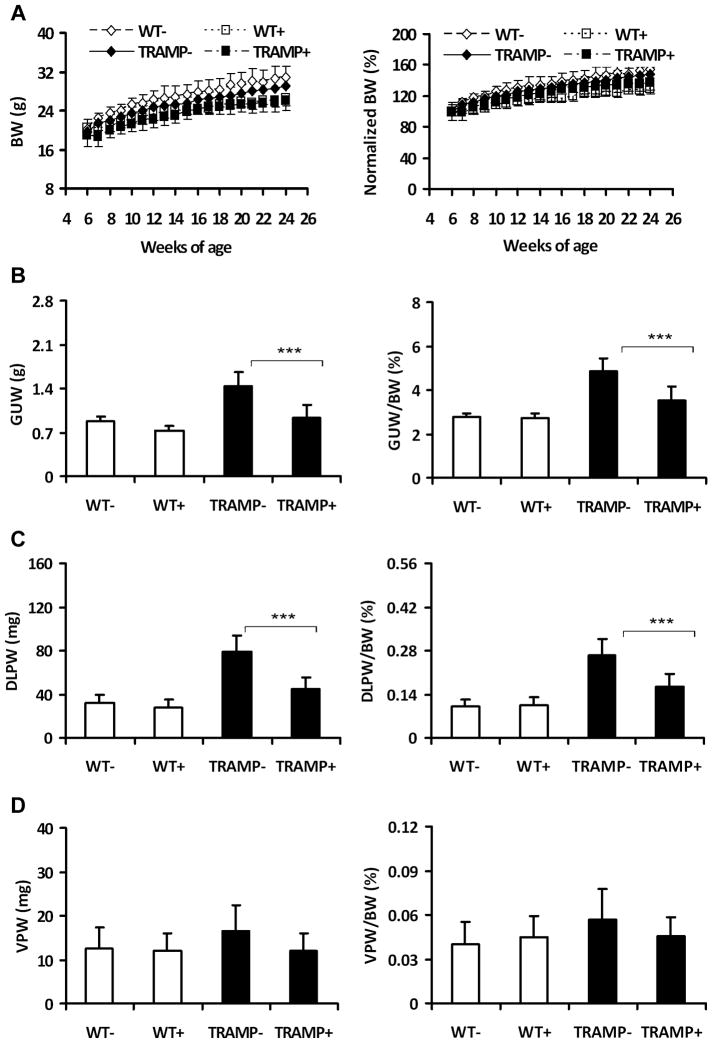
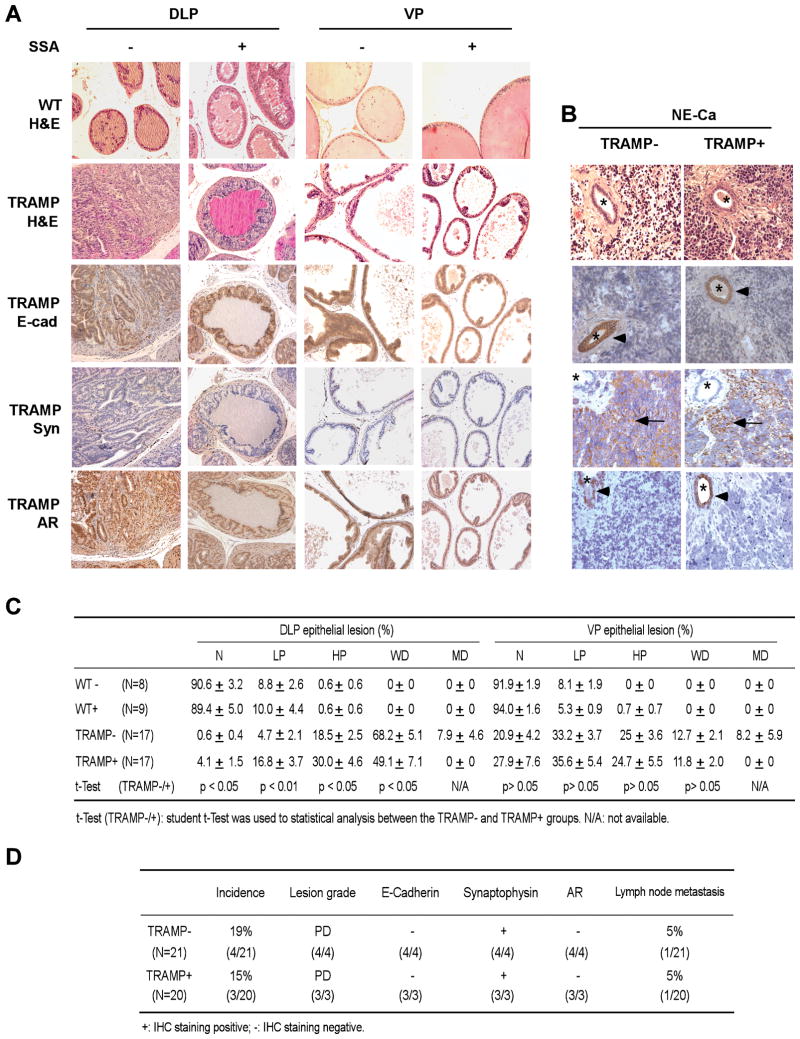
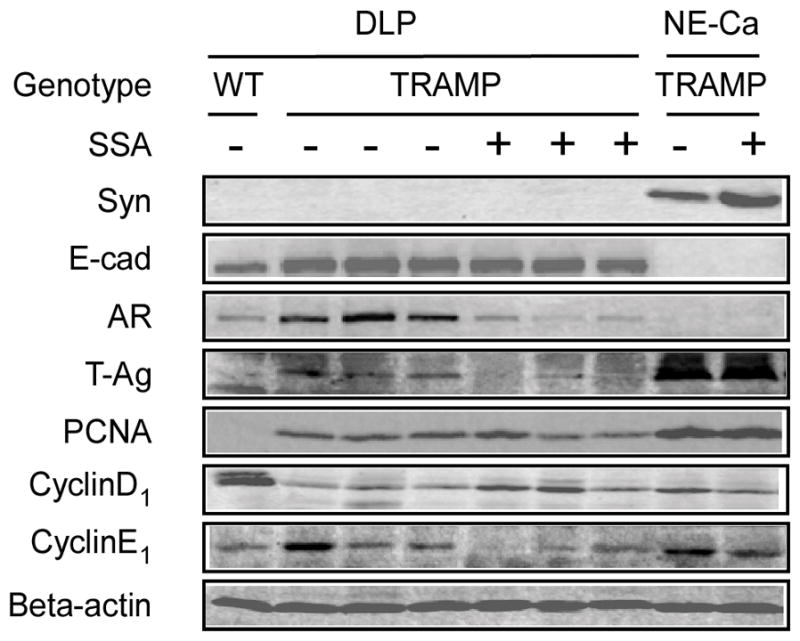
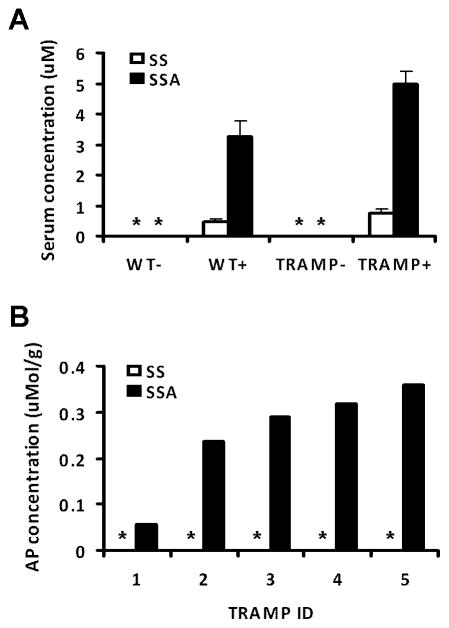
Nonsteroidal anti-inflammatory drugs including sulindac are well documented to be highly effective for cancer chemoprevention. However, their cyclooxygenase (COX)-inhibitory activities cause severe gastrointestinal, renal, and cardiovascular toxicities, limiting their chronic use. Recent studies suggest that COX-independent mechanisms may be responsible for the chemopreventive benefits of nonsteroidal anti-inflammatory drugs and support the potential for the development of a novel generation of sulindac derivatives lacking COX inhibition for cancer chemoprevention. A prototypic sulindac derivative with a N,N-dimethylammonium substitution called sulindac sulfide amide (SSA) was recently identified to be devoid of COX-inhibitory activity yet displays much more potent tumor cell growth-inhibitory activity in vitro compared with sulindac sulfide. In this study, we investigated the androgen receptor (AR) signaling pathway as a potential target for its COX-independent antineoplastic mechanism and evaluated its chemopreventive efficacy against prostate carcinogenesis using the transgenic adenocarcinoma of mouse prostate model. The results showed that SSA significantly suppressed the growth of human and mouse prostate cancer cells expressing AR in strong association with G(1) arrest, and decreased AR level and AR-dependent transactivation. Dietary SSA consumption dramatically attenuated prostatic growth and suppressed AR-dependent glandular epithelial lesion progression through repressing cell proliferation in the transgenic adenocarcinoma of mouse prostate mice, whereas it did not significantly affect neuroendocrine carcinoma growth. Overall, the results suggest that SSA may be a chemopreventive candidate against prostate glandular epithelial carcinogenesis.
2010 AACR.
Conflict of interest statement
of Potential Conflicts of Interest: All authors declare no potential conflicts of interest.
Figures
References
-
- Jemal A, Siegel R, Ward E, et al. Cancer statistics, 2008. CA Cancer J Clin. 2008;58(2):71–96. - PubMed
-
- Petrylak DP. The current role of chemotherapy in metastatic hormone-refractory prostate cancer. Urology. 2005;65(5 Suppl):3–7. discussion -8. - PubMed
-
- Klein EA. Can prostate cancer be prevented? Nat Clin Pract Urol. 2005;2(1):24–31. - PubMed
-
- Parnes HL, Thompson IM, Ford LG. Prevention of hormone-related cancers: prostate cancer. J Clin Oncol. 2005;23(2):368–77. - PubMed
-
- Agrawal A, Fentiman IS. NSAIDs and breast cancer: a possible prevention and treatment strategy. Int J Clin Pract. 2008;62(3):444–9. - PubMed
Publication types
MeSH terms
Substances
Grants and funding
LinkOut - more resources
Full Text Sources
Medical
Research Materials