


The clinical features of the piriformis syndrome: a systematic review
- PMID: 20596735
- PMCID: PMC2997212
- DOI: 10.1007/s00586-010-1504-9
The clinical features of the piriformis syndrome: a systematic review
Abstract
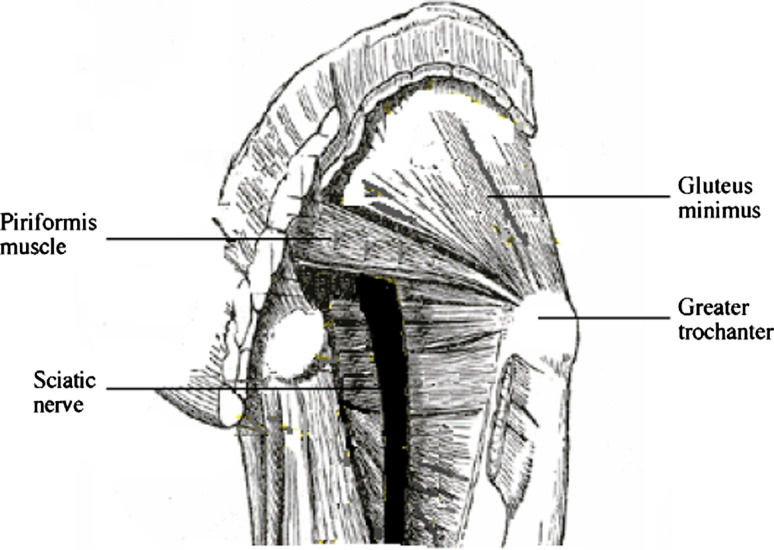
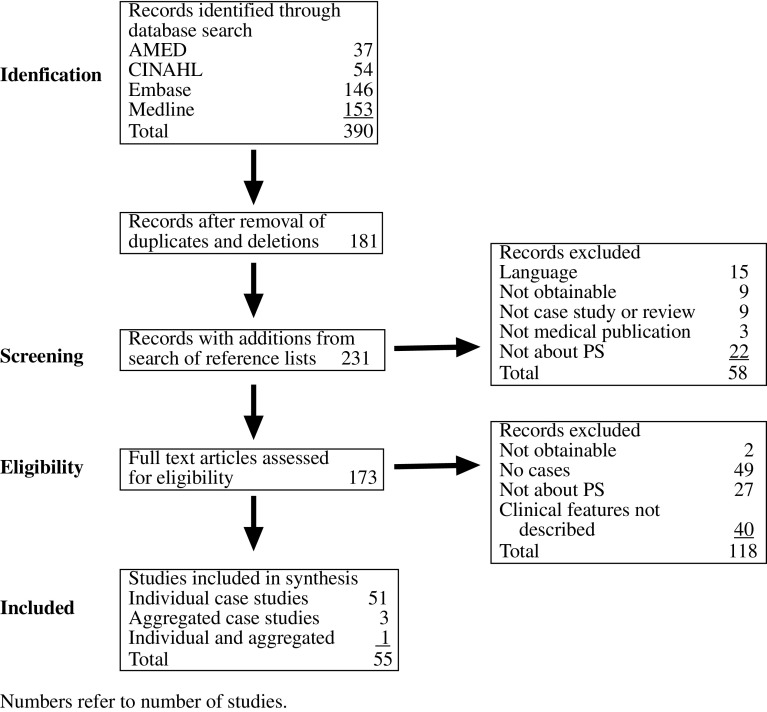
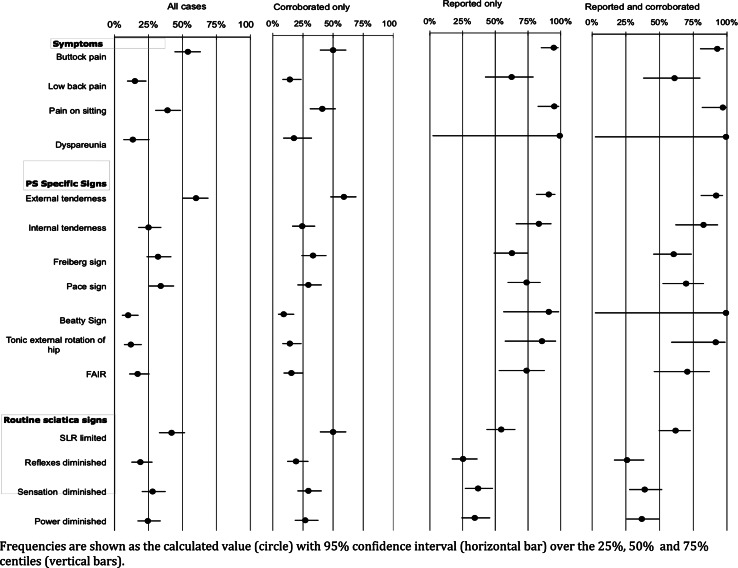
Piriformis syndrome, sciatica caused by compression of the sciatic nerve by the piriformis muscle, has been described for over 70 years; yet, it remains controversial. The literature consists mainly of case series and narrative reviews. The objectives of the study were: first, to make the best use of existing evidence to estimate the frequencies of clinical features in patients reported to have PS; second, to identify future research questions. A systematic review was conducted of any study type that reported extractable data relevant to diagnosis. The search included all studies up to 1 March 2008 in four databases: AMED, CINAHL, Embase and Medline. Screening, data extraction and analysis were all performed independently by two reviewers. A total of 55 studies were included: 51 individual and 3 aggregated data studies, and 1 combined study. The most common features found were: buttock pain, external tenderness over the greater sciatic notch, aggravation of the pain through sitting and augmentation of the pain with manoeuvres that increase piriformis muscle tension. Future research could start with comparing the frequencies of these features in sciatica patients with and without disc herniation or spinal stenosis.
Figures
References
-
- Adams JA. The pyriformis syndrome—report of four cases and review of the literature. S Afr J Surg. 1980;18:13–18. - PubMed
-
- Banerjee T, Hall CD. Sciatic entrapment neuropathy. Case report. J Neurosurg. 1976;45:216–217. - PubMed
-
- Barton PM. Piriformis syndrome: a rational approach to management. Pain. 1991;47:345–352. - PubMed
-
- Beatty RA. The piriformis muscle syndrome: a simple diagnostic maneuver. Neurosurgery. 1994;34:512–513. - PubMed
-
- Beauchesne RP, Schutzer SF. Myositis ossificans of the piriformis muscle: an unusual cause of piriformis syndrome. A case report. J Bone Joint Surg. 1997;79:906–910. - PubMed
Publication types
MeSH terms
LinkOut - more resources
Full Text Sources
Medical
