


Targeting inflammatory pathways for tumor radiosensitization
- PMID: 20599771
- PMCID: PMC3090731
- DOI: 10.1016/j.bcp.2010.06.039
Targeting inflammatory pathways for tumor radiosensitization
Abstract
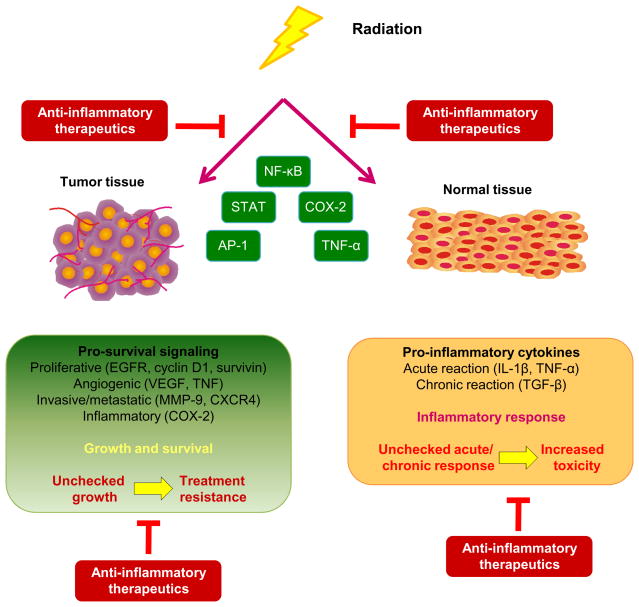
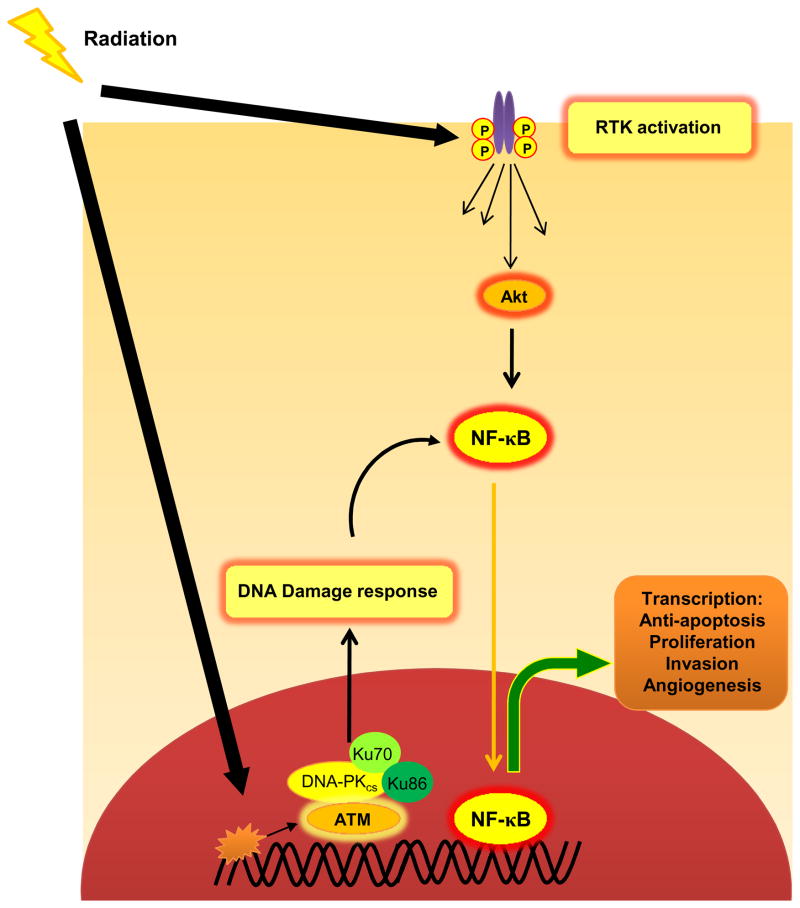
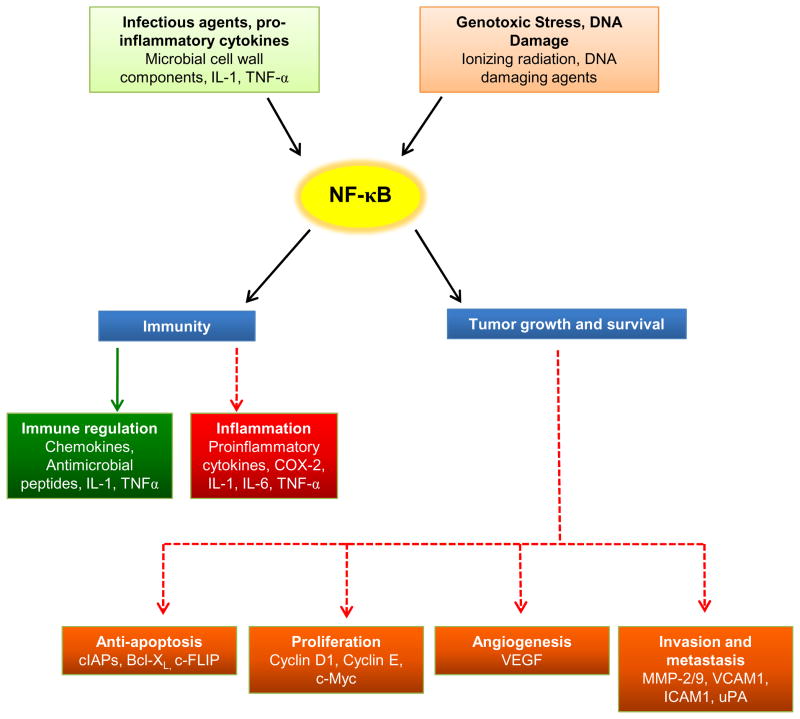
Although radiation therapy (RT) is an integral component of treatment of patients with many types of cancer, inherent and/or acquired resistance to the cytotoxic effects of RT is increasingly recognized as a significant impediment to effective cancer treatment. Inherent resistance is mediated by constitutively activated oncogenic, proliferative and anti-apoptotic proteins/pathways whereas acquired resistance refers to transient induction of proteins/pathways following radiation exposure. To realize the full potential of RT, it is essential to understand the signaling pathways that mediate inducible radiation resistance, a poorly characterized phenomenon, and identify druggable targets for radiosensitization. Ionizing radiation induces a multilayered signaling response in mammalian cells by activating many pro-survival pathways that converge to transiently activate a few important transcription factors (TFs), including nuclear factor kappa B (NF-κB) and signal transducers and activators of transcription (STATs), the central mediators of inflammatory and carcinogenic signaling. Together, these TFs activate a wide spectrum of pro-survival genes regulating inflammation, anti-apoptosis, invasion and angiogenesis pathways, which confer tumor cell radioresistance. Equally, radiation-induced activation of pro-inflammatory cytokine network (including interleukin (IL)-1β, IL-6 and tumor necrosis factor-α) has been shown to mediate symptom burden (pain, fatigue, local inflammation) in cancer patients. Thus, targeting radiation-induced inflammatory pathways may exert a dual effect of accentuating the tumor radioresponse and reducing normal tissue side-effects, thereby increasing the therapeutic window of cancer treatment. We review recent data demonstrating the pivotal role played by inflammatory pathways in cancer progression and modulation of radiation response.
Copyright © 2010 Elsevier Inc. All rights reserved.
Figures
References
-
- Balkwill F, Mantovani A. Inflammation and cancer: back to Virchow? Lancet. 2001;357:539–45. - PubMed
-
- Dvorak HF. Tumors: wounds that do not heal. Similarities between tumor stroma generation and wound healing. N Engl J Med. 1986;315:1650–9. - PubMed
-
- Balkwill F, Mantovani A. Cancer and inflammation: implications for pharmacology and therapeutics. Clin Pharmacol Ther. 2010;87:401–6. - PubMed
Publication types
MeSH terms
Substances
Grants and funding
LinkOut - more resources
Full Text Sources
Other Literature Sources
Medical
