. 2010 Jul 27;90(2):142-9.
doi: 10.1097/TP.0b013e3181e228db.

Flow cessation triggers endothelial dysfunction during organ cold storage conditions: strategies for pharmacologic intervention

Affiliations

Flow cessation triggers endothelial dysfunction during organ cold storage conditions: strategies for pharmacologic intervention

Jorge Gracia-Sancho et al. Transplantation. .

Abstract

Background: Vascular pathologies constitute a major cause of graft rejection after organ transplantation. Recent studies have documented an improvement in transplant outcome when organs are preserved through pulsatile perfusion; however, the underlying mechanisms of these observations are poorly characterized. We hypothesized that the temporary absence of flow occurring in the context of organ cold storage conditions disrupts endothelial vasoprotective programs, and that this consequence of stasis may be a target for pharmacological modulation.

Methods: The expression of the transcription factor Kruppel-like factor 2 (KLF2) and its vasoprotective target genes were assessed during cold storage conditions in cultured human endothelial cells and murine aortic segments. In addition, we evaluated the effect of simvastatin used as a supplement in a cold preservation solution on the expression of vasoprotective genes, and on endothelial activation and apoptosis.

Results: The expression of endothelial KLF2 and its vasoprotective transcriptional targets were rapidly lost during cold preservation in vitro and ex vivo. Importantly, simvastatin treatment blocked the decay of KLF2, sustaining a vasoprotective phenotype, and preventing endothelial activation and apoptosis.

Conclusions: Flow stasis leads to acute endothelial dysfunction and apoptosis in the context of cold storage conditions. Supplementation of organ preservation solutions with pharmacologic agents that restore endothelial vasoprotective programs, by upregulating KLF2, may represent a significant advancement of current organ preservation techniques.


Conflict of interest statement

Conflict of interests: J.G.-S., G.V., Y.Z., J.X.Y. Y.L., S.G.T. and G.G.-C. have nothing to report.

Figures

Figure 1
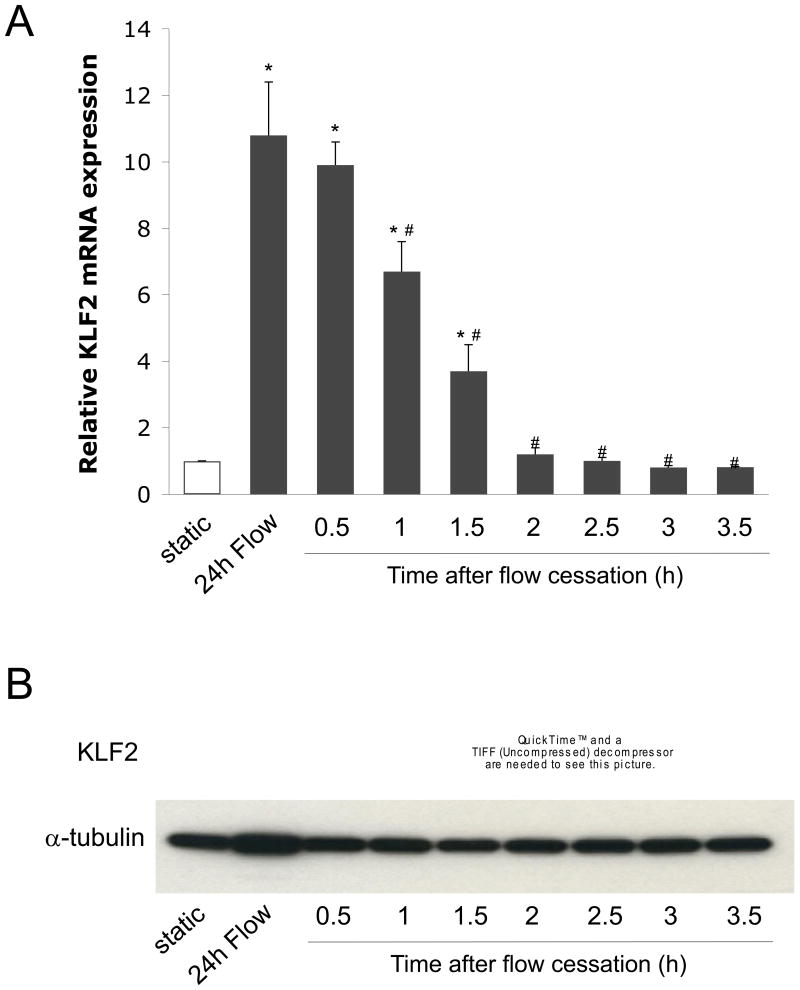
Figure 1. KLF2 expression in the endothelium is rapidly lost upon flow cessation
A) KLF2 mRNA expression was determined in EC exposed for 24h to vasoprotective flow, followed by static (no flow) culture conditions at 37°C for the indicated periods of time (*p<0.05 vs. static; #p<0.05 vs. 24h flow. n=3). B) Representative western blot of KLF2 and α-tubulin protein expression determined in EC cultured as described in A.
Figure 2
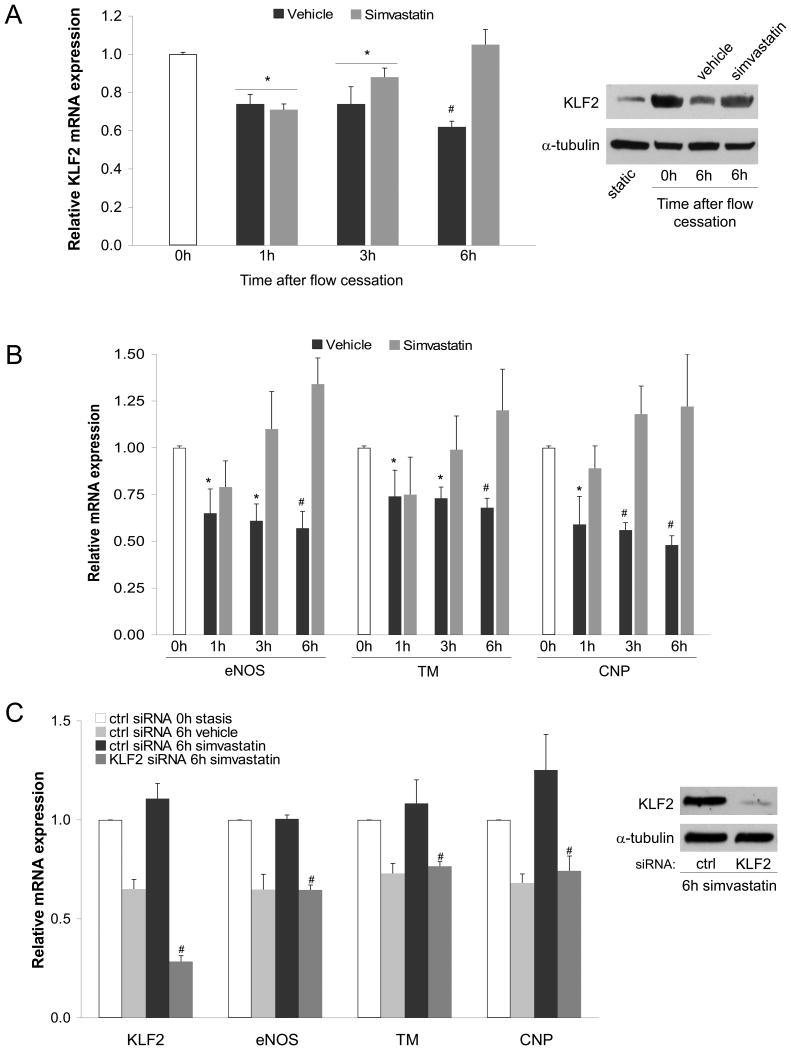
Figure 2. Simvastatin maintains endothelial KLF2 and its vasoprotective target genes expression during static cold storage
A) Left, KLF2 mRNA expression determined in EC exposed for 24h to vasoprotective flow followed by static preservation at 4°C for 0h, 1h, 3h and 6h in University of Wisconsin solution supplemented with simvastatin (1μM) or its vehicle. Right, representative western blot of KLF2 and α-tubulin protein expression determined in EC under indicated conditions. B) Expression of KLF2-dependent vasoprotective target genes determined in EC described above (*p<0.05 vs 0h; #p<0.01 vs. 0h. n=3). C) Expression of KLF2 and its vasoprotective target genes in EC transfected with specific siRNA against KLF2 or control, cultured for 24h under flow conditions and preserved at 4°C for 0h or 6h in University of Wisconsin solution supplemented with simvastatin (1μM) or its vehicle (#p<0.05 vs. ctrl siRNA 6h simvastatin, n=3). Insert shows western blot demonstrating KLF2 silencing efficiency.
Figure 3
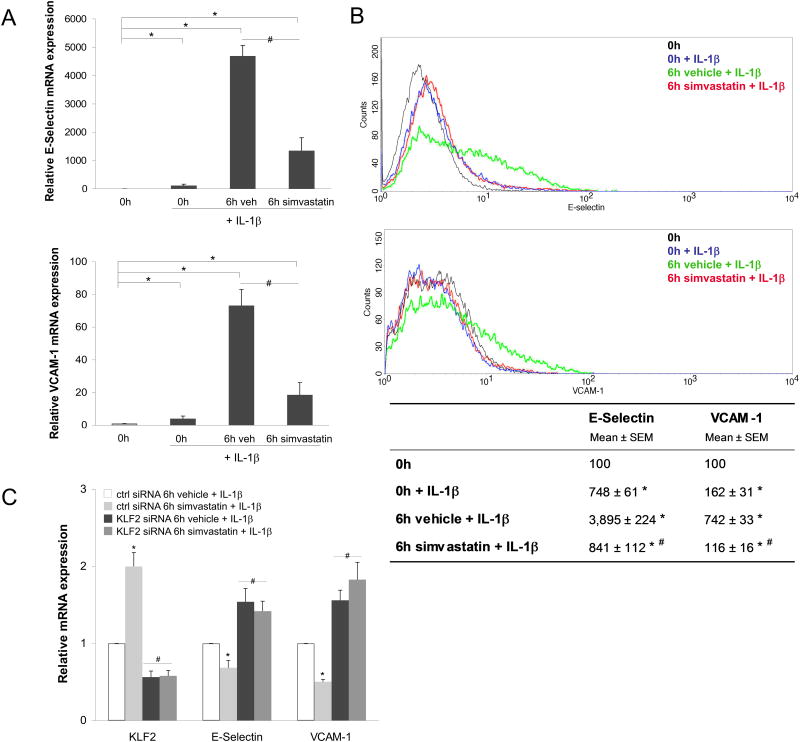
Figure 3. Simvastatin preserves the endothelial anti-inflammatory phenotype upon cold storage through a KLF2-dependent mechanism
A) E-Selectin (top) and VCAM-1 (bottom) mRNA expression determined in EC expose to vasoprotective flow for 24h and statically cold preserved for 0h or 6h with simvastatin or its vehicle, and afterwards stimulated for 4h with IL-1β (0.1U/mL) in warm culture conditions (n=3). B) Top, representative flow cytometry histogram of E-Selectin and VCAM-1 cell surface expression determined in EC described above. Bottom, flow cytometry quantitative analysis of four independent experiments (*p<0.05 vs. 0h; #p<0.05 vs. 6h vehicle+IL1β). C) Expression of KLF2 and inflammatory genes VCAM-1 and E-Selectin in EC transfected with specific siRNA against KLF2 or control, cultured for 24h under vasoprotective flow, preserved at 4°C for 6h in University of Wisconsin Solution supplemented with simvastatin (1μM) or its vehicle, and stimulated for 4h with IL1β (0.1U/mL) in warm culture conditions (*p<0.05 vs. ctrl siRNA 6h vehicle. n=3).
Figure 4
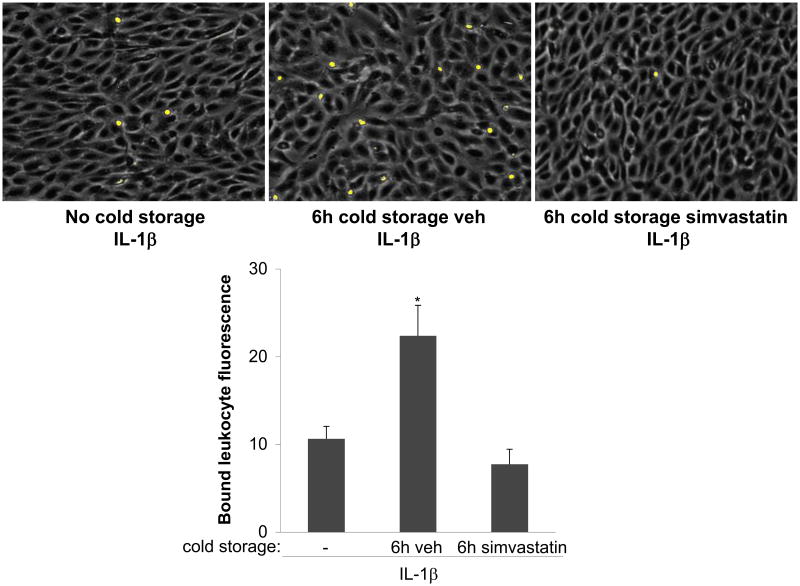
Figure 4. Simvastatin inhibits endothelial activation after cold storage
Top, EC monolayers were cultured for 24h under vasoprotective flow, followed by the immediate addition of IL-1β 0.1 U/mL, 4h, 37°C, left), or by cold storage for 6h with simvastatin (1 μM, right) or its vehicle (center), and then treated for 4h with IL-1β (as above). All groups were then incubated with fluorescently labeled HL-60 cells. Shown are representative fields of EC monolayers (gray) and attached HL60 cells (yellow). Bottom, quantitative fluorescence analysis of bound HL-60 cells (*p<0.05 vs. no cold storage and 6h simvastatin, n=4).
Figure 5
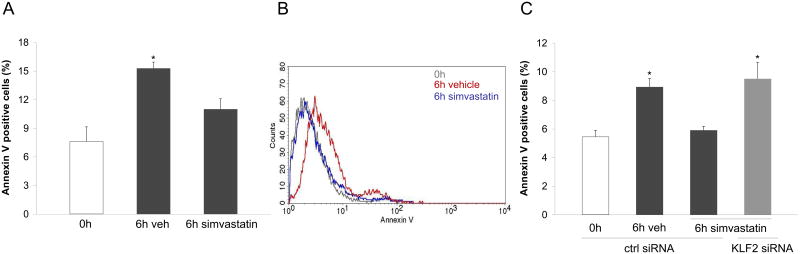
Figure 5. Simvastatin prevents endothelial apoptosis during cold storage through a KLF2-dependent mechanism
A) Expression of the apoptosis marker Annexin V in EC exposed for 24h to vasoprotective flow and statically cold stored for 0h or 6h in University of Wisconsin Solution supplemented with simvastatin or its vehicle (* p<0.05 vs. 0h and 6h simvastatin. n=4). B) Representative flow cytometry histogram of Annexin V expression determined in EC described above. C) Expression of Annexin V in EC transfected with specific KLF2 siRNA or control, cultured for 24h under vasoprotective flow and statically cold preserved for 0h or 6h with simvastatin or its vehicle (*p<0.05 vs. ctrl siRNA 0h and ctrl siRNA 6h vehicle. n=3).
Figure 6
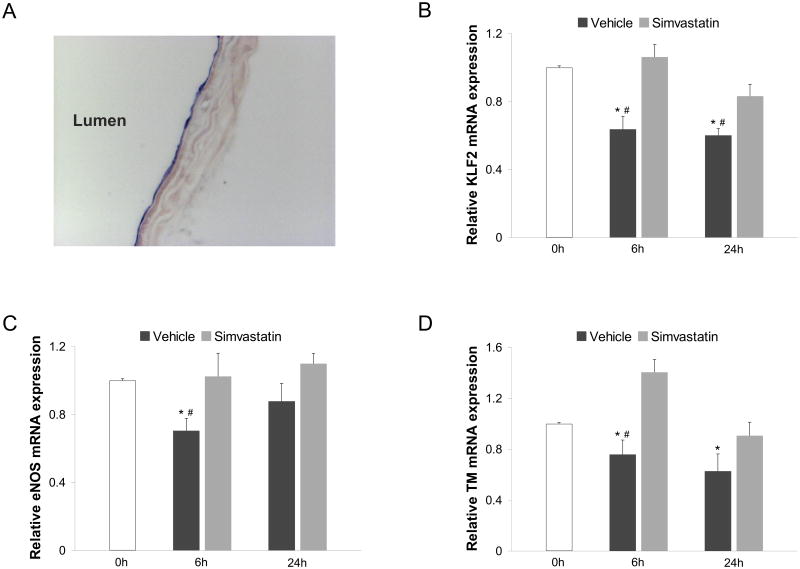
Figure 6. Simvastatin maintains the expression of endothelial KLF2 and its vasoprotective target genes during cold storage ex vivo
A) KLF2 mRNA localization determined by in situ hybridization in murine aorta. B) KLF2 and its target genes eNOS (C) and thrombomodulin (D) mRNA expression in murine aortas cold preserved for 0h, 6h or 24h in University of Wisconsin solution supplemented with simvastatin (10μM) or its vehicle (*p<0.05 vs. 0h; #p<0.05 vs. simvastatin. n=5 per condition).

References

    1. Tambyraja AL, Mitchell R, Driscoll PJ, et al. Glutathione supplementation to University of Wisconsin solution causes endothelial dysfunction. Transpl Immunol. 2007;18:146. - PubMed
    1. Najafian B, Kasiske BL. Chronic allograft nephropathy. Curr Opin Nephrol Hypertens. 2008;17:149. - PubMed
    1. Desai M, Neuberger J. Chronic liver allograft dysfunction. Transplant Proc. 2009;41:773. - PubMed
    1. Khan UA, Williams SG, Fildes JE, Shaw SM. The pathophysiology of chronic graft failure in the cardiac transplant patient. Am J Transplant. 2009;9:2211. - PubMed
    1. Hashimoto K, Pearson PJ, Schaff HV, Cartier R. Endothelial cell dysfunction after ischemic arrest and reperfusion: a possible mechanism of myocardial injury during reflow. J Thorac Cardiovasc Surg. 1991;102:688. - PubMed

Publication types

MeSH terms