


Differences in brain structure and function in older adults with self-reported disabling and nondisabling chronic low back pain
- PMID: 20609128
- PMCID: PMC2925166
- DOI: 10.1111/j.1526-4637.2010.00899.x
Differences in brain structure and function in older adults with self-reported disabling and nondisabling chronic low back pain
Abstract
Objective: The primary aim of this pilot study was to identify structural and functional brain differences in older adults with self-reported disabling chronic low back pain (CLBP) compared with those who reported nondisabling CLBP.
Design: Cross-sectional.
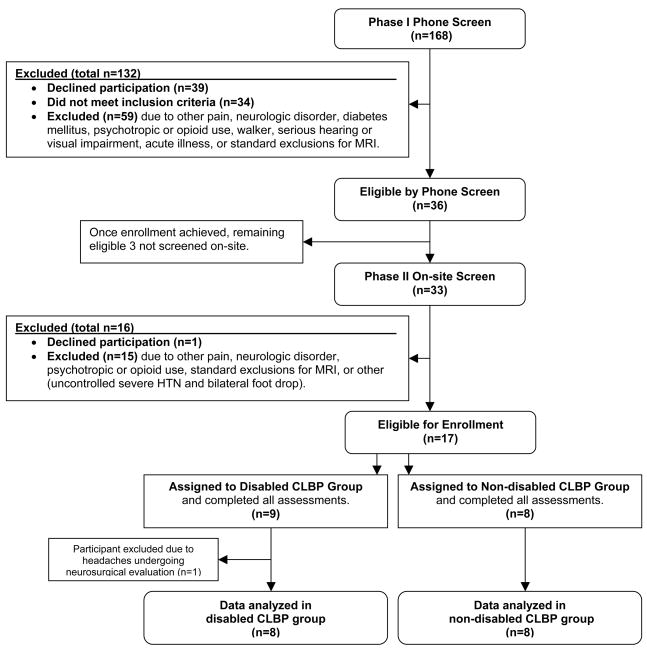
Participants: Sixteen cognitively intact older adults, eight with disabling CLBP and eight with nondisabling CLBP. Exclusions were psychiatric or neurological disorders, substance abuse, opioid use, or diabetes mellitus.
Methods: Participants underwent: structural and functional brain MRI; neuropsychological assessment using the Repeatable Battery for the Assessment of Neuropsychological Status, Trail Making Tests A and B; and physical performance assessment using the Short Physical Performance Battery.
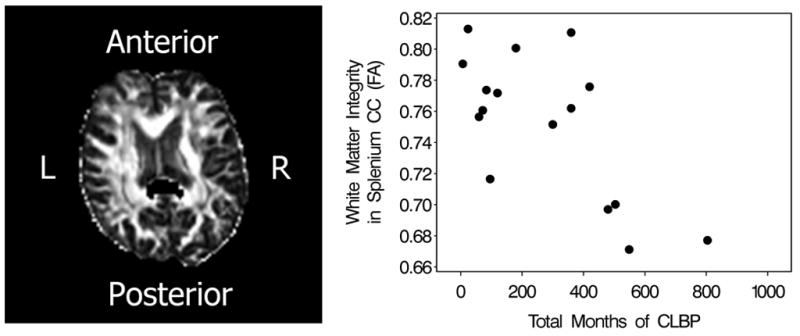
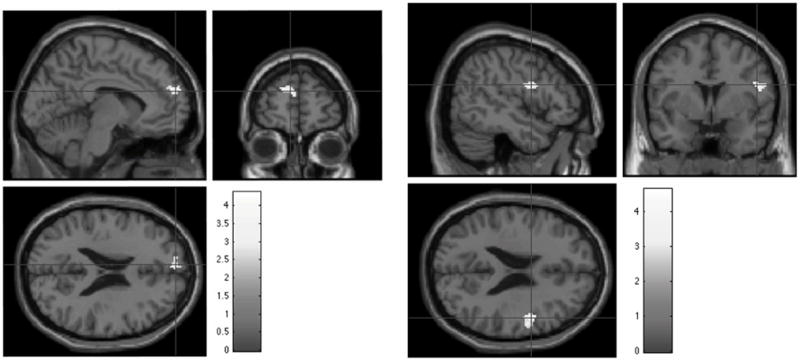
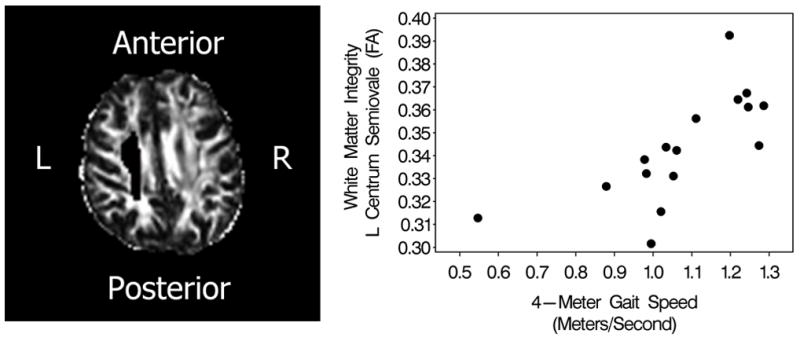
Results: In the disabled group, there was significantly lower white matter (WM) integrity (P < 0.05) of the splenium of the corpus callosum. This group also demonstrated activation of the right medial prefrontal cortex at rest whereas the nondisabled demonstrated activation of the left lateral prefrontal cortex. Combined groups analysis revealed a strong positive correlation (r(s) = 0.80, P < 0.0002) between WM integrity of the left centrum semiovale with gait-speed. Secondary analysis revealed a strong negative correlation between total months of CLBP and WM integrity of the SCC (r(s) = -0.59, P < 0.02).
Conclusions: Brain structure and function is different in older adults with disabling CLBP compared with those with nondisabling CLBP. Deficits in brain morphology combining groups are associated with pain duration and poor physical function. Our findings suggest brain structure and function may play a key role in chronic pain related disability and may be important treatment targets.
Figures
Comment in
-
Identifying mechanisms underlying the pain and disability relationship in later life: what role does the brain play?Pain Med. 2010 Aug;11(8):1144-5. doi: 10.1111/j.1526-4637.2010.00921.x. Pain Med. 2010. PMID: 20704663 No abstract available.
References
-
- Edmond SL, Felson DT. Prevalence of back symptoms in elders. J Rheumatol. 2000;27:220–225. - PubMed
-
- Helme RD, Gibson SJ. The epidemiology of pain in elderly people. Clinics in Geriatric Medicine. 2001;17:417–31. - PubMed
-
- Weiner DK, Haggerty CL, Kritchevsky SB, Harris T, Simonsick EM, Nevitt M, Newman A. How does low back pain impact physical function in independent, well-functioning older adults? Evidence from the Health ABC Cohort and implications for the future. Pain Med. 2003;4:311–20. - PubMed
-
- Edmond SL, Felson DT. Function and back symptoms in older adults. J Am Geriatr Soc. 2003;51:1702–1709. - PubMed
Publication types
MeSH terms
Grants and funding
LinkOut - more resources
Full Text Sources
Medical
Research Materials
