


Role of mitochondrial dysfunction in cardiac glycoside toxicity
- PMID: 20620145
- PMCID: PMC2949492
- DOI: 10.1016/j.yjmcc.2010.06.012
Role of mitochondrial dysfunction in cardiac glycoside toxicity
Abstract
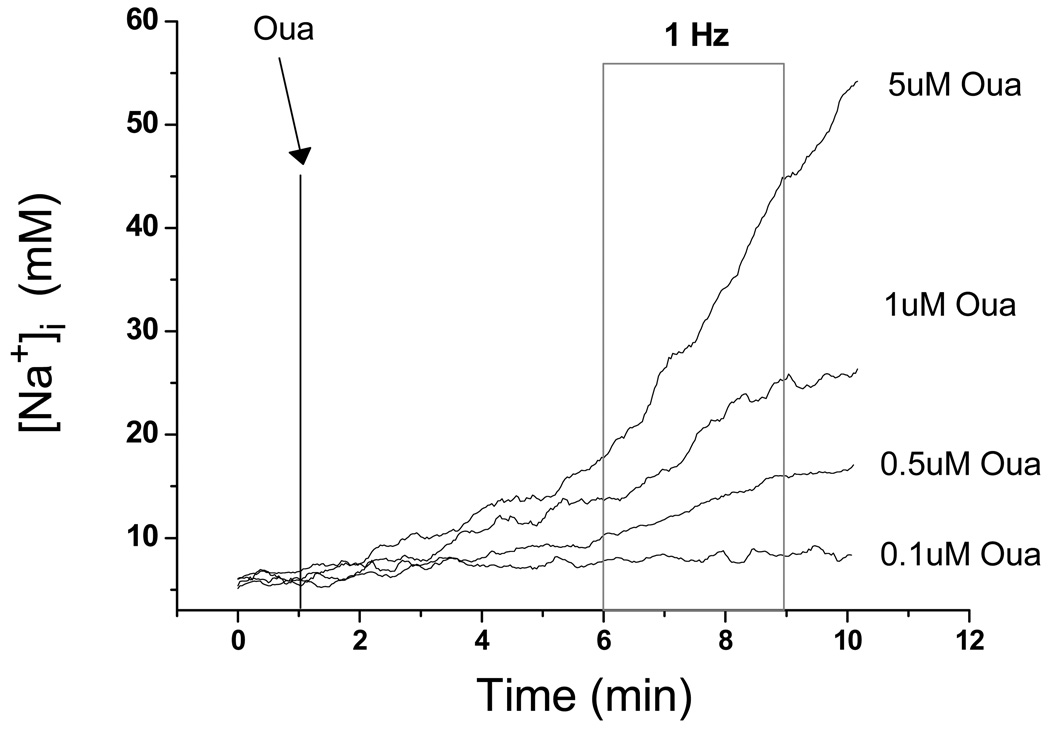
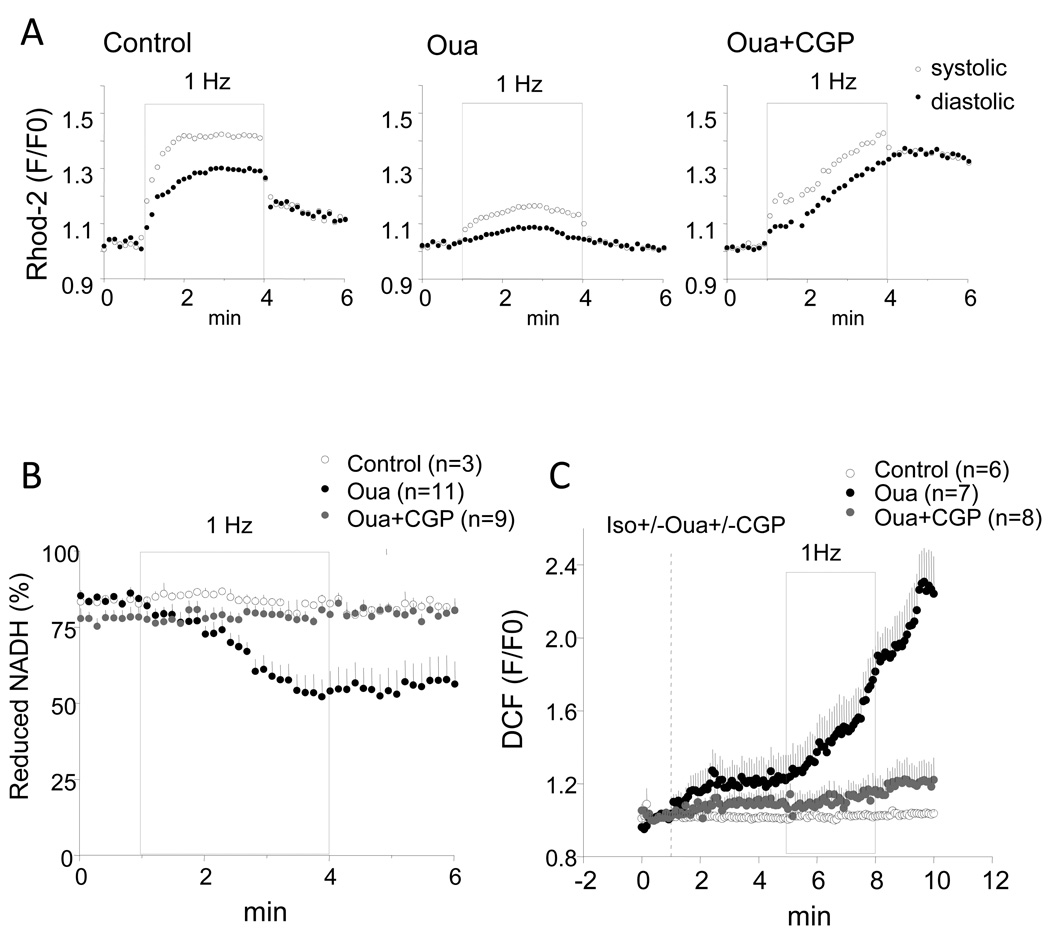
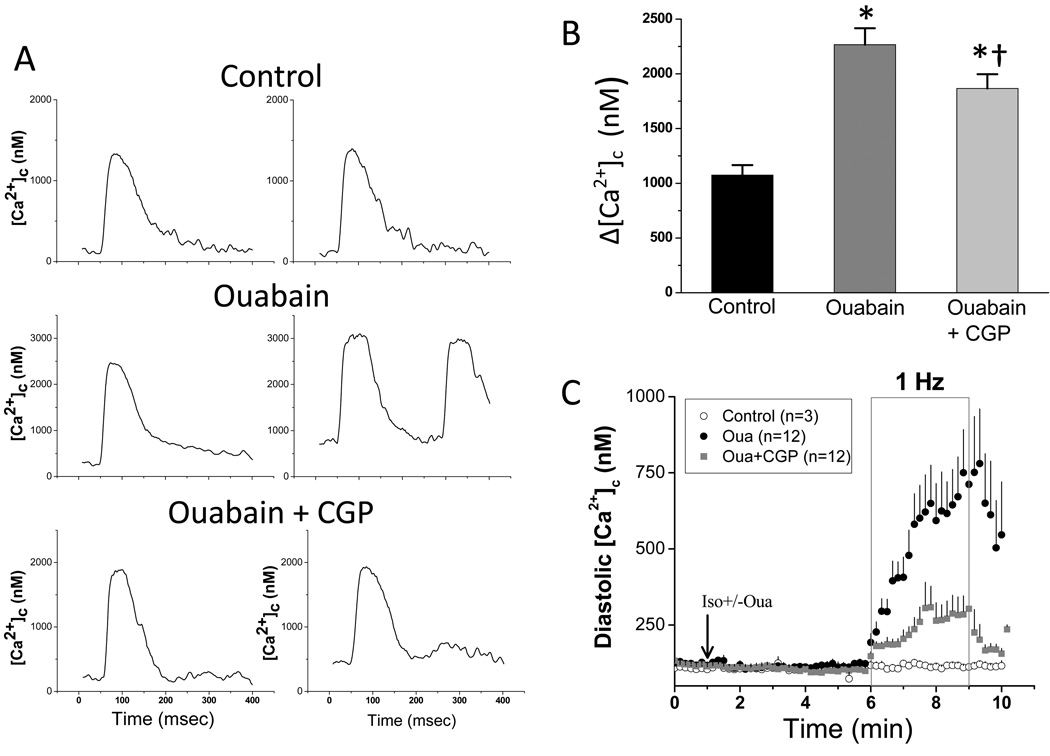
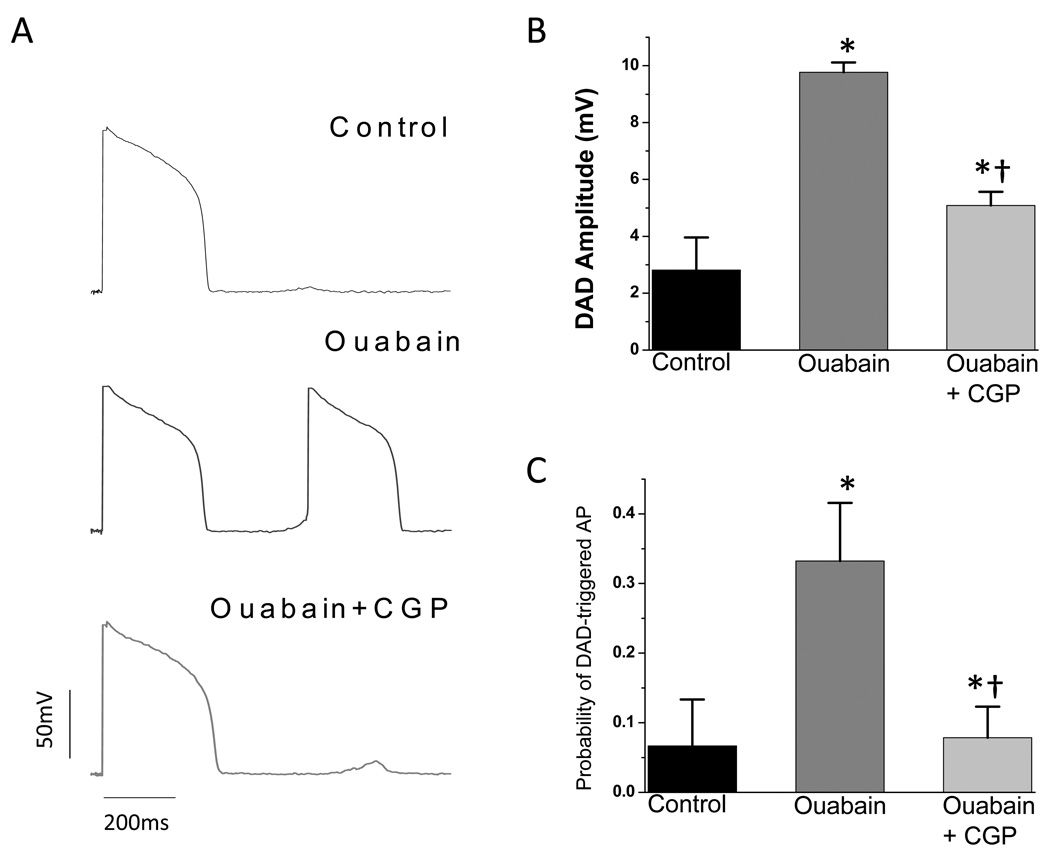
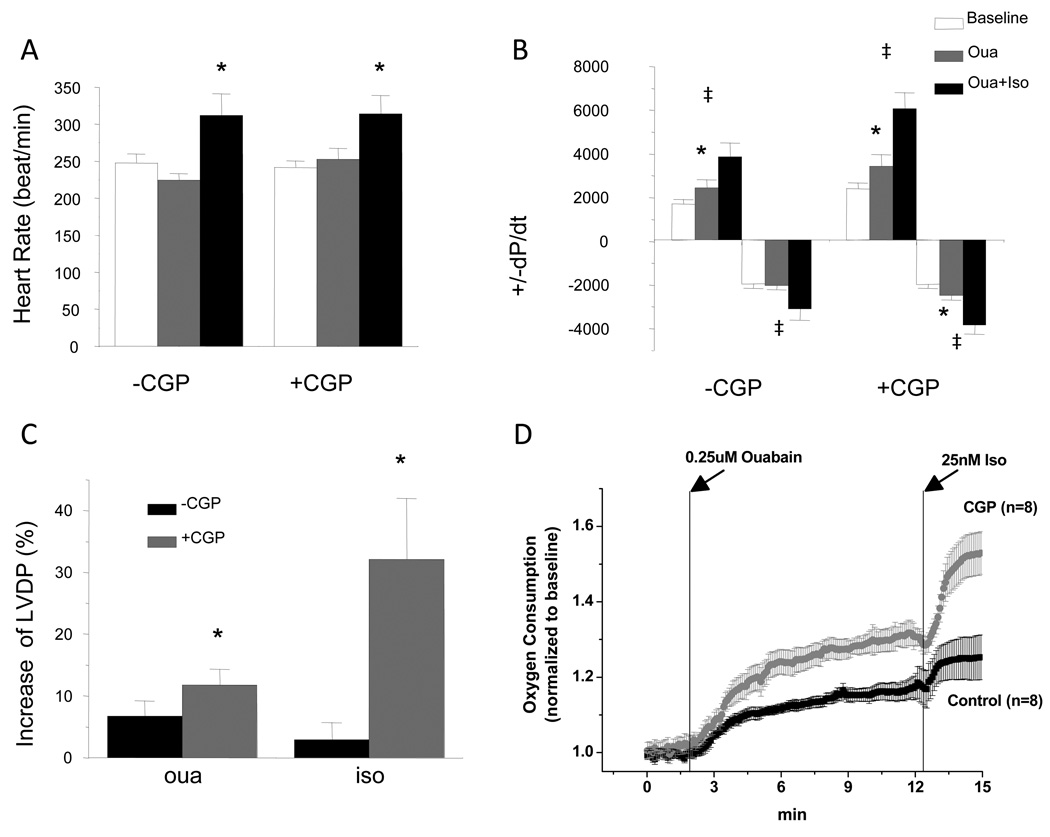
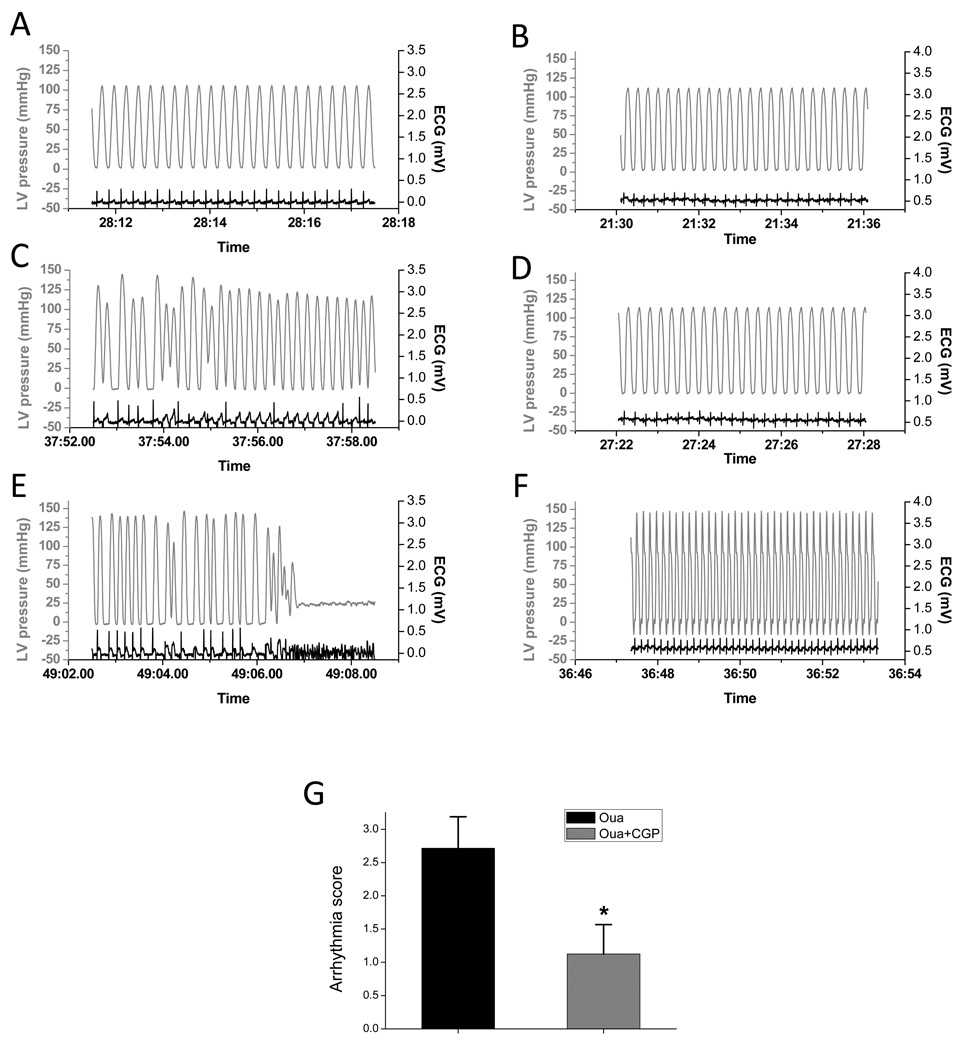
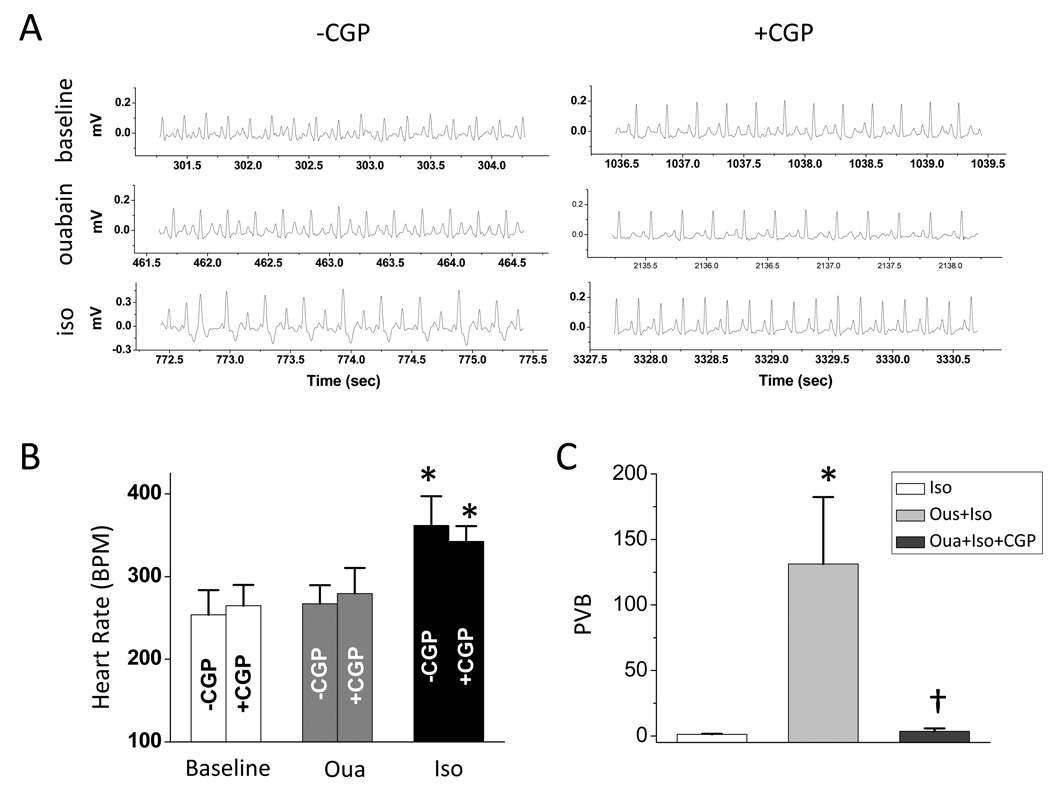
Cardiac glycosides, which inhibit the plasma membrane Na(+) pump, are one of the four categories of drug recommended for routine use to treat heart failure, yet their therapeutic window is limited by toxic effects. Elevated cytoplasmic Na(+) ([Na(+)](i)) compromises mitochondrial energetics and redox balance by blunting mitochondrial Ca(2+) ([Ca(2+)](m)) accumulation, and this impairment can be prevented by enhancing [Ca(2+)](m). Here, we investigate whether this effect underlies the toxicity and arrhythmogenic effects of cardiac glycosides and if these effects can be prevented by suppressing mitochondrial Ca(2+) efflux, via inhibition of the mitochondrial Na(+)/Ca(2+) exchanger (mNCE). In isolated cardiomyocytes, ouabain elevated [Na(+)](i) in a dose-dependent way, blunted [Ca(2+)](m) accumulation, decreased the NADH/NAD+redox potential, and increased reactive oxygen species (ROS). Concomitant treatment with the mNCE inhibitor CGP-37157 ameliorated these effects. CGP-37157 also attenuated ouabain-induced cellular Ca(2+) overload and prevented delayed afterdepolarizations (DADs). In isolated perfused hearts, ouabain's positive effects on contractility and respiration were markedly potentiated by CGP-37157, as were those mediated by β-adrenergic stimulation. Furthermore, CGP-37157 inhibited the arrhythmogenic effects of ouabain in both isolated perfused hearts and in vivo. The findings reveal the mechanism behind cardiac glycoside toxicity and show that improving mitochondrial Ca(2+) retention by mNCE inhibition can mitigate these effects, particularly with respect to the suppression of Ca(2+)-triggered arrhythmias, while enhancing positive inotropic actions. These results suggest a novel strategy for the treatment of heart failure.
Copyright © 2010 Elsevier Ltd. All rights reserved.
Figures
References
-
- Hunt SA, Abraham WT, Chin MH, Feldman AM, Francis GS, Ganiats TG, et al. ACC/AHA 2005 Guideline Update for the Diagnosis and Management of Chronic Heart Failure in the Adult: a report of the American College of Cardiology/American Heart Association Task Force on Practice Guidelines (Writing Committee to Update the 2001 Guidelines for the Evaluation and Management of Heart Failure): developed in collaboration with the American College of Chest Physicians and the International Society for Heart and Lung Transplantation: endorsed by the Heart Rhythm Society. Circulation. 2005;112(12):e154–e235. - PubMed
-
- Rahimtoola SH. Digitalis therapy for patients in clinical heart failure. Circulation. 2004;109(24):2942–2946. - PubMed
-
- Gheorghiade M, Adams KF, Jr., Colucci WS. Digoxin in the management of cardiovascular disorders. Circulation. 2004;109(24):2959–2964. - PubMed
-
- Ribner HS, Plucinski DA, Hsieh AM, Bresnahan D, Molteni A, Askenazi J, et al. Acute effects of digoxin on total systemic vascular resistance in congestive heart failure due to dilated cardiomyopathy: a hemodynamic-hormonal study. The American journal of cardiology. 1985;56(13):896–904. - PubMed
-
- van Veldhuisen DJ, Man in 't Veld AJ, Dunselman PH, Lok DJ, Dohmen HJ, Poortermans JC, et al. Double-blind placebo-controlled study of ibopamine and digoxin in patients with mild to moderate heart failure: results of the Dutch Ibopamine Multicenter Trial (DIMT) Journal of the American College of Cardiology. 1993;22(6):1564–1573. - PubMed
Publication types
MeSH terms
Substances
Grants and funding
LinkOut - more resources
Full Text Sources
Miscellaneous
