


Evolution of eukaryotic microbial pathogens via covert sexual reproduction
- PMID: 20638645
- PMCID: PMC2916653
- DOI: 10.1016/j.chom.2010.06.011
Evolution of eukaryotic microbial pathogens via covert sexual reproduction
Abstract
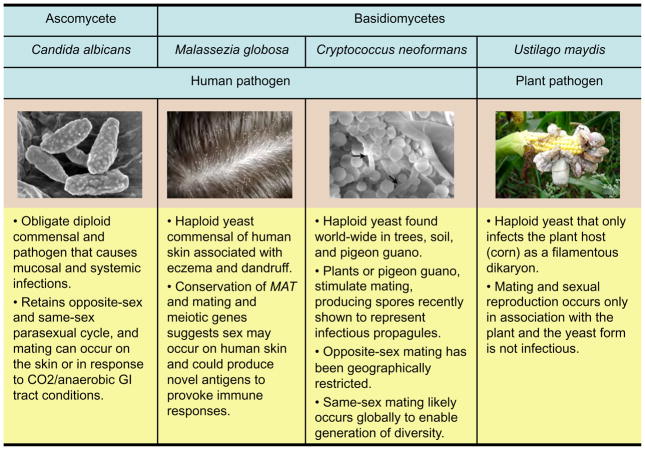
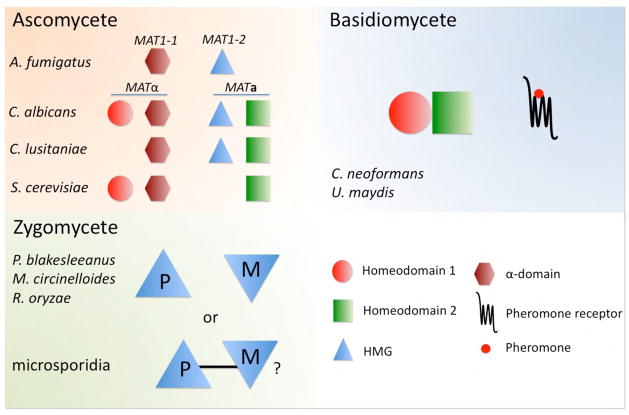
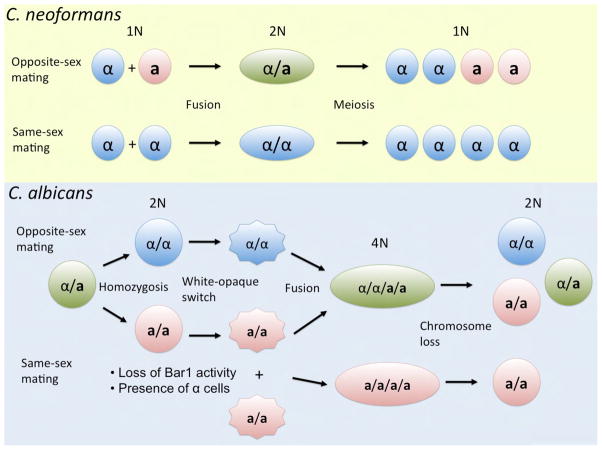
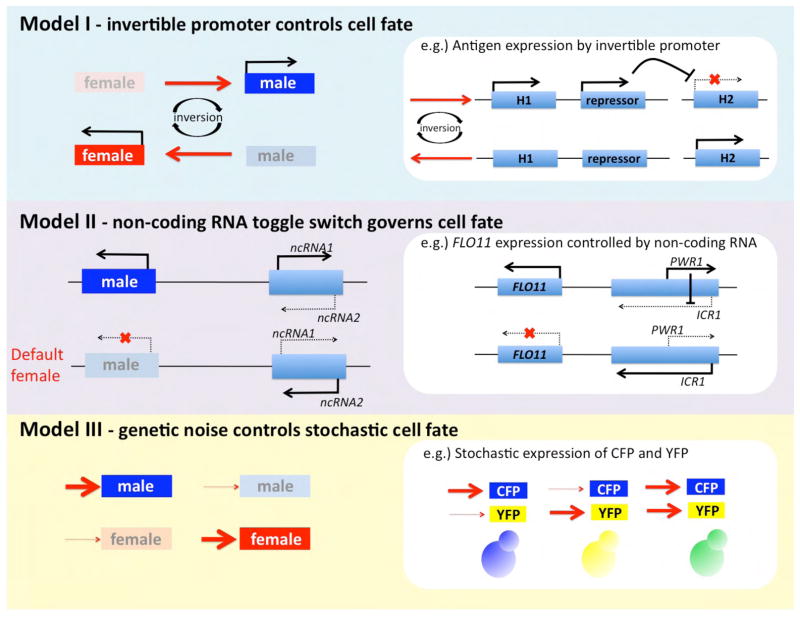
Sexual reproduction enables eukaryotic organisms to reassort genetic diversity and purge deleterious mutations, producing better-fit progeny. Sex arose early and pervades eukaryotes. Fungal and parasite pathogens once thought asexual have maintained cryptic sexual cycles, including unisexual or parasexual reproduction. As pathogens become niche and host adapted, sex appears to specialize to promote inbreeding and clonality yet maintain outcrossing potential. During self-fertile sexual modes, sex itself may generate genetic diversity de novo. Mating-type loci govern fungal sexual identity; how parasites establish sexual identity is unknown. Comparing and contrasting fungal and parasite sex promises to reveal how microbial pathogens evolved and are evolving.
Copyright 2010 Elsevier Inc. All rights reserved.
Figures
References
-
- Alano P. Plasmodium falciparum gametocytes: still many secrets of a hidden life. Mol Microbiol. 2007;66:291–302. - PubMed
-
- Billker O, Dechamps S, Tewari R, Wenig G, Franke-Fayard B, Brinkmann V. Calcium and a calcium-dependent protein kinase regulate gamete formation and mosquito transmission in a malaria parasite. Cell. 2004;117:503–514. - PubMed
Publication types
MeSH terms
Grants and funding
LinkOut - more resources
Full Text Sources
Medical
