. 2010 Aug;28(8):868-73.
doi: 10.1038/nbt.1654. Epub 2010 Jul 18.

Global analysis of lysine ubiquitination by ubiquitin remnant immunoaffinity profiling

Affiliations

Global analysis of lysine ubiquitination by ubiquitin remnant immunoaffinity profiling

Guoqiang Xu et al. Nat Biotechnol. 2010 Aug.

Abstract

Protein ubiquitination is a post-translational modification (PTM) that regulates various aspects of protein function by different mechanisms. Characterization of ubiquitination has lagged behind that of smaller PTMs, such as phosphorylation, largely because of the difficulty of isolating and identifying peptides derived from the ubiquitinated portion of proteins. To address this issue, we generated a monoclonal antibody that enriches for peptides containing lysine residues modified by diglycine, an adduct left at sites of ubiquitination after trypsin digestion. We use mass spectrometry to identify 374 diglycine-modified lysines on 236 ubiquitinated proteins from HEK293 cells, including 80 proteins containing multiple sites of ubiquitination. Seventy-two percent of these proteins and 92% of the ubiquitination sites do not appear to have been reported previously. Ubiquitin remnant profiling of the multi-ubiquitinated proteins proliferating cell nuclear antigen (PCNA) and tubulin alpha-1A reveals differential regulation of ubiquitination at specific sites by microtubule inhibitors, demonstrating the effectiveness of our method to characterize the dynamics of lysine ubiquitination.


Figures
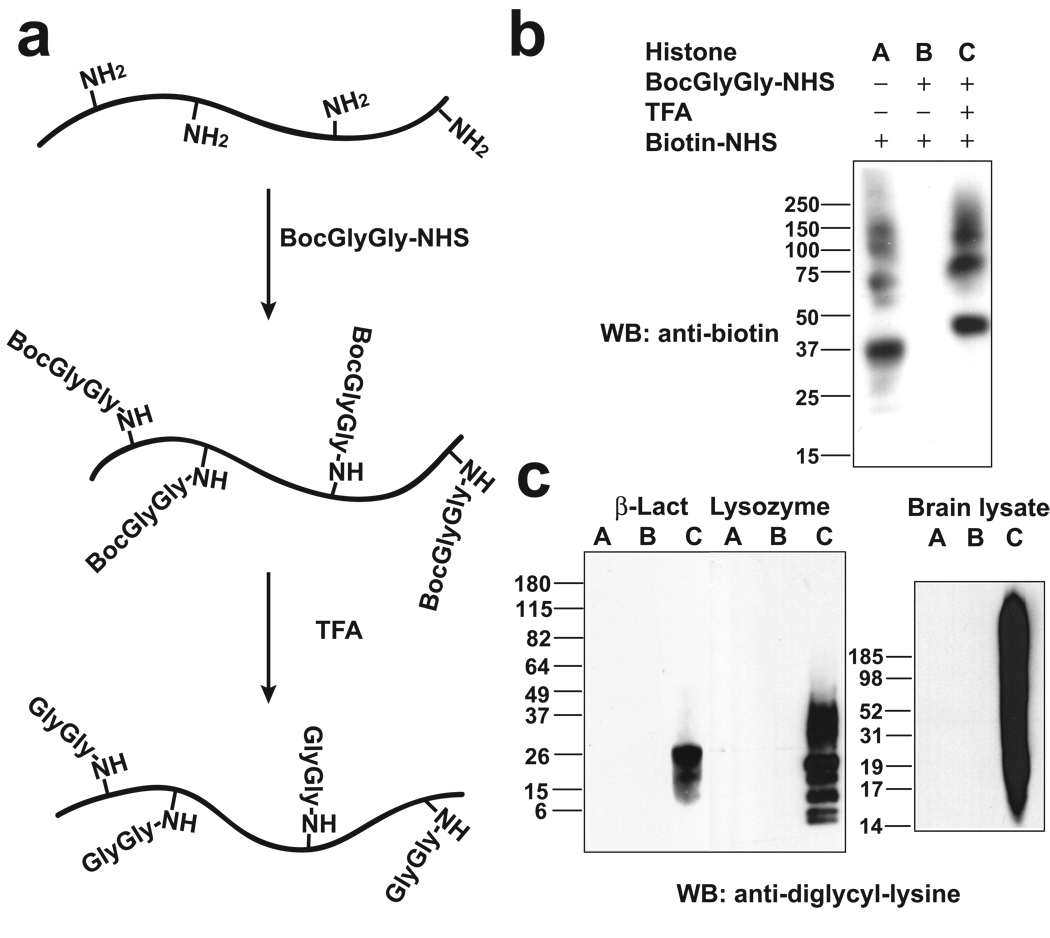
Figure 1
Figure 1. Development of monoclonal antibodies that selectively recognize diglycine-modified lysines
(a) Schematic illustration of antigen synthesis. The ε-amine of lysines in histone was modified by Boc-Gly-Gly-NHS and then the Boc group was removed by TFA. The lysines in the final protein contain Gly-Gly adducts on the ε-amine of all lysine residues. (b) Validation of the synthesis of Gly-Gly-modified histone. To monitor the reaction of histone with Boc-Gly-Gly-NHS, the presence of amines, such as those in unmodified lysine, was detected by reacting the protein with the amine-modifying agent biotin-NHS, and subsequent Western blotting with an anti-biotin antibody. Amines in histone were nearly completely lost after treatment with Boc-Gly-Gly-NHS, indicating near complete modification of all the lysines in histone. Removal of the Boc protecting group with TFA results in the formation of an amine at the N-terminus of the Gly-Gly adduct. This step was essentially complete, as the TFA-treated protein exhibited nearly complete recovery of amine reactivity. The position of the bands in the different samples is slightly shifted due to the different molecular weight and number of positive charges in the modified and unmodified samples. The bands above 50 kDa represent impurities in the histone sample. (c) The specificity of the GX41 monoclonal antibody was evaluated by Western blotting β-lactoglobulin, lysozyme, or rat brain lysate, in which the lysines were either unmodified (A), or modified with Boc-Gly-Gly (B) or Gly-Gly-(C) adducts, respectively.
Figure 2
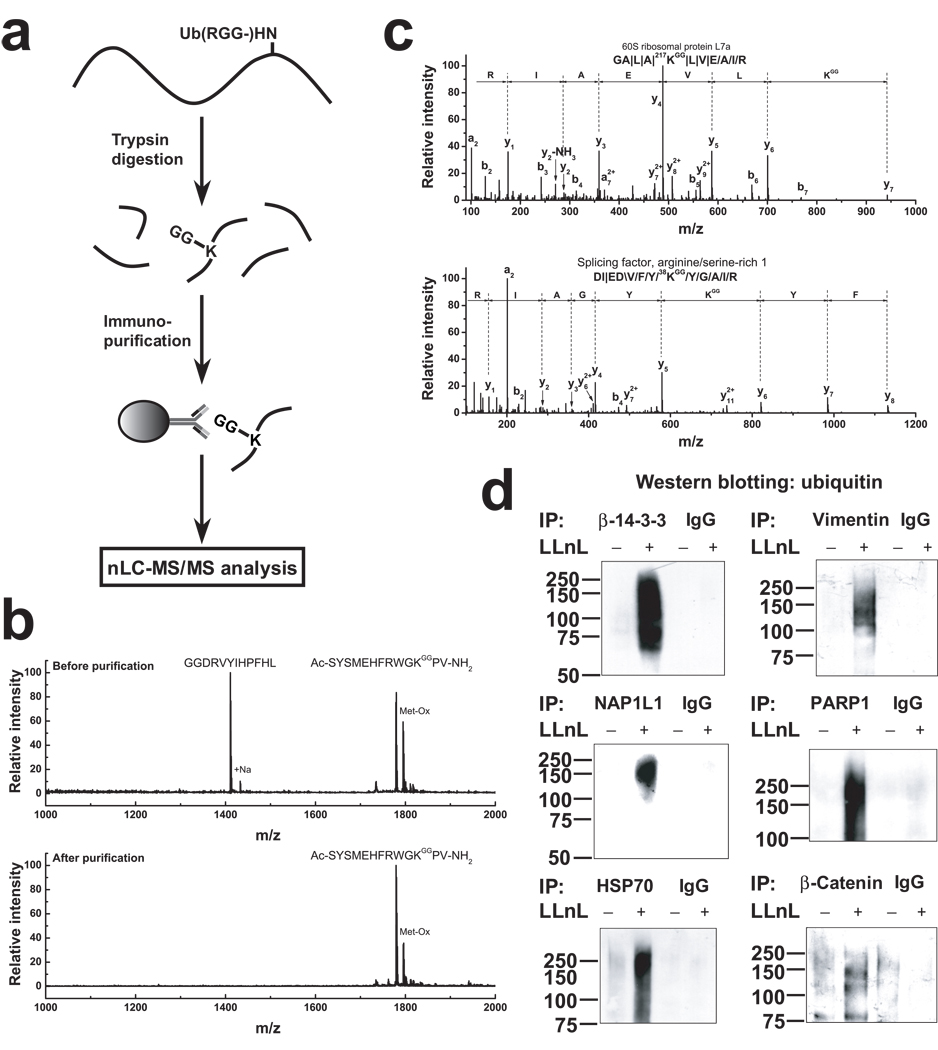
Figure 2. Profiling immunopurified ubiquitin remnant-containing peptides to identify ubiquitinated proteins
(a) Schematic of the strategy for identifying ubiquitinated proteins by immunoprecipitation of peptides containing diglycyl-lysine and MS analysis. (b) Confirmation of antibody specificity using two peptides, GGDRVYIHPFHL and Ac-SYSMEHFRWGK*PV-NH2 (K* representing Gly-Gly-modified lysine). An equimolar amount (0.3 nmol) of the two peptides were mixed and immunoprecipitated with immobilized anti-diglycyl-lysine monoclonal antibody. MALDI-TOF-MS analysis was carried out for the starting material and the antibody-purified material. An enrichment factor of at least 50 is estimated from the relative MS signal of the two peptides before and after immunoprecipitation. (c) Representative annotated MS/MS spectra of a ubiquitin remnant-containing peptide obtained by immunoprecipitation from a HEK293 cell lysate. The sequence of the ubiquitinated peptide is indicated and the fragment ions are labeled. The diglycine-modified lysine and its position are indicated in red. The symbols, \, / and |, represent b-ions, y-ions, and both b-ions and y-ions, respectively. (d) Biochemical verification of ubiquitinated proteins. Proteins were immunoprecipitated using target-specific antibodies and the immunoprecipitate was Western blotted with an anti-ubiquitin antibody. IgG was used as a control for nonspecific immunoprecipitation. The proteasome inhibitor LLnL was added to allow accumulation of the ubiquitinated protein.
Figure 3
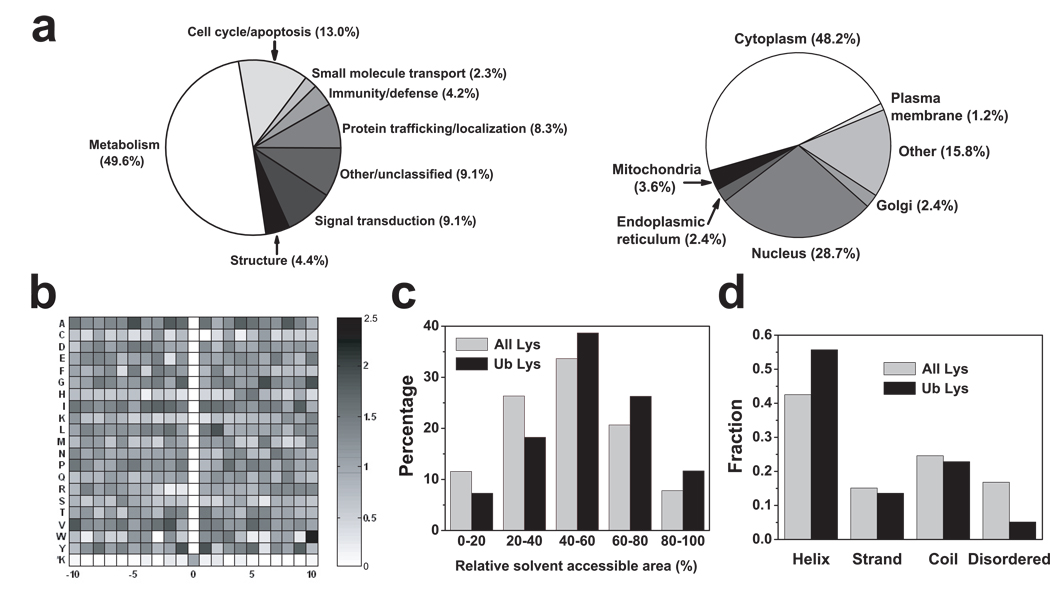
Figure 3. Bioinformatic analysis of ubiquitinated proteins and ubiquitin-modified lysines
(a) Pie charts of biological processes and subcellular localization of ubiquitinated proteins analyzed by PANTHER and PENCE Proteome Analyst database, respectively. Some proteins were designated “other” if their localizations or functions were not annotated in the database. (b) Backbone amino acid sequence analysis of ubiquitinated peptides. A density map of the ratios of the frequencies of each of the 20 amino acids adjacent to the ubiquitinated lysines and adjacent to lysines in general was plotted using MATLAB. Several amino acids are slightly enriched at certain positions, such as Leu at +2, Val at −2, Ala at −5, Gly at +6, and Tyr at −1 and +1, determined by Rosner’s test with a 95% confidence. (c) Increased solvent accessible area (SAA) of ubiquitinated lysines relative to lysines in general. The distribution of SAA of both populations of lysines indicates an increase in SAA among ubiquitinated lysines. The two distributions are significantly different (student’s t test, p < 0.001). The results were obtained from an analysis of 89 PDB structures (140 ubiquitinated lysines, 3970 total lysines). (d) Distribution of secondary structures of all lysines and ubiquitinated lysines obtained from an analysis of 89 PDB structures. The disordered region was predicted by DisEMBL for all ubiquitinated proteins identified by our MS experiments. χ2 test: p-value < 0.001.
Figure 4
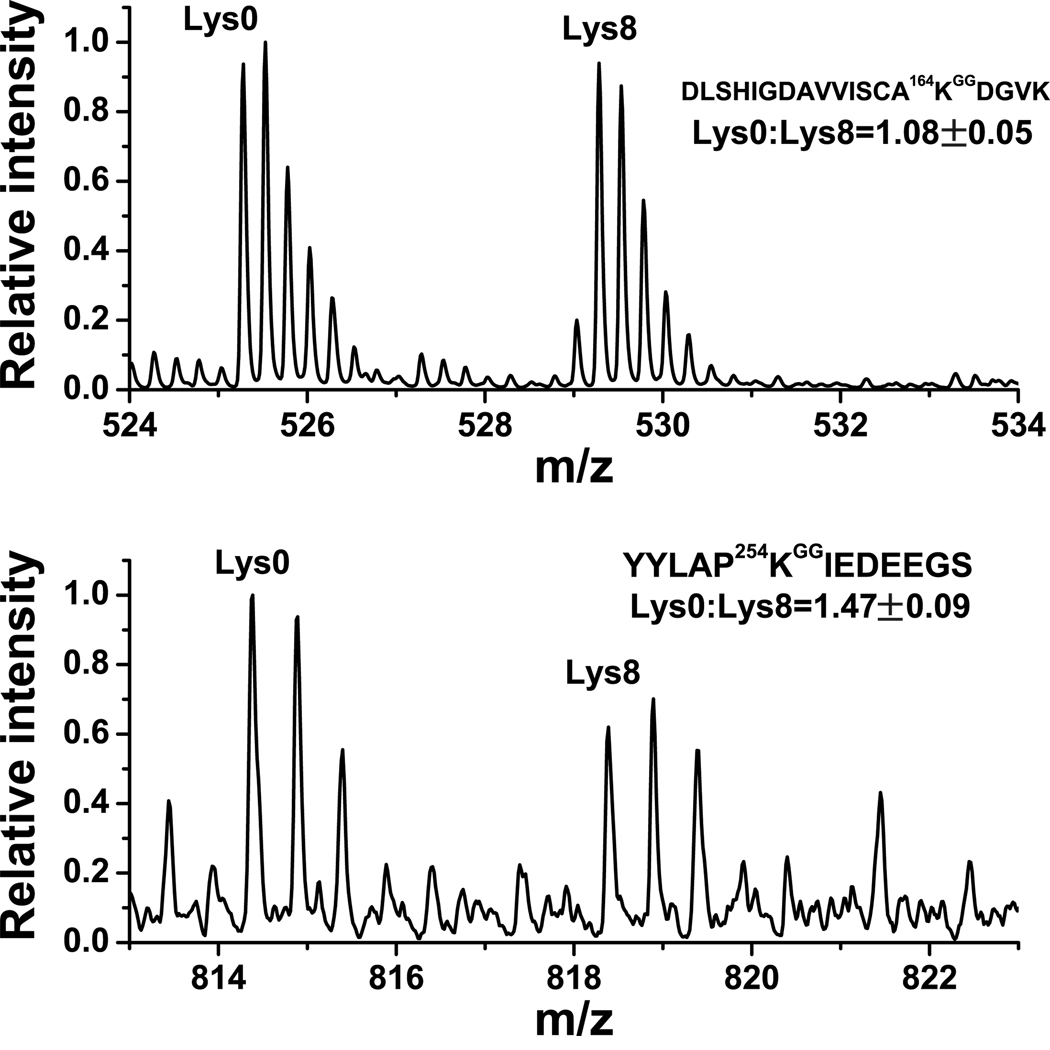
Figure 4. Colchicine differentially regulates the ubiquitination of two lysines in PCNA
HEK293 cells were grown in SILAC media containing either light (Lys0) or heavy (Lys8) lysine, and transfected with a plasmid expressing His6-ubiquitin. Lys0-labeled cells were treated with 10 µM colchicine while Lys8-labeled cells were treated with vehicle for 16 h. An identical amount of cells from both treatments were mixed and processed for MS analysis of ubiquitin remnant-containing peptides. The relative ratio of MS signals between Lys0- and Lys8-labeled peptides was used for relative quantification of the change in ubiquitination at K164 and K254. The observed ratio was normalized to the change in PCNA protein abundance in the two samples by measuring two unmodified PCNA peptides in the initial mixed cell lysate (Supplementary Fig. 11). We found that the ion intensity of the novel ubiquitination site (K254) is about 20% of that of K164, which suggests that its ubiquitination may be less common or more transient than K164, and which may explain why it was not previously detected in mutagenesis studies. All experiments are the average of experiments repeated three times. Note that the peptide ubiquitinated at K254 is the C-terminal tryptic peptide of the protein so that the last amino acid is not K or R, and the charge state is +2.

References

    1. Hershko A, Ciechanover A. The ubiquitin system. Annu Rev Biochem. 1998;67:425–479. - PubMed
    1. Xu P, Peng J. Dissecting the ubiquitin pathway by mass spectrometry. Biochim Biophys Acta. 2006;1764:1940–1947. - PMC - PubMed
    1. Ericsson C, Goldknopf IL, Daneholt B. Inhibition of transcription does not affect the total amount of ubiquitinated histone 2A in chromatin. Exp Cell Res. 1986;167:127–134. - PubMed
    1. Galluzzi L, Paiardini M, Lecomte MC, Magnani M. Identification of the main ubiquitination site in human erythroid alpha-spectrin. FEBS Lett. 2001;489:254–258. - PubMed
    1. Tomlinson E, Palaniyappan N, Tooth D, Layfield R. Methods for the purification of ubiquitinated proteins. Proteomics. 2007;7:1016–1022. - PubMed

Publication types